Endometriosis Awareness: Why Your Painful Periods Deserve Attention

For years, Jessica thought everyone experienced the kind of period pain that left her curled up on the bathroom floor, missing work and canceling plans. “It’s just part of being a woman,” her mother had told her. But when she mentioned her symptoms to her gynecologist during a routine visit, the response stopped her cold: “That’s not normal. We need to investigate for endometriosis.” March is Endometriosis Awareness Month, and it’s time to dispel the dangerous myth that severe period pain is normal or something you should simply endure. Endometriosis affects approximately one in ten women of reproductive age—about 190 million women worldwide—yet it takes an average of seven to ten years to receive a diagnosis. What Is Endometriosis? Endometriosis occurs when tissue similar to the uterine lining grows outside the uterus—on the ovaries, fallopian tubes, bladder, bowel, or other pelvic structures. Like the lining inside your uterus, this tissue responds to hormonal changes during your cycle, thickening and breaking down. But unlike menstrual blood, it has nowhere to go, causing inflammation, scarring, and adhesions. Recognizing the Signs While painful periods are the hallmark symptom, endometriosis affects much more than just your cycle. Common Symptoms: The Pain Isn’t “All in Your Head”: Many women with endometriosis report being dismissed by healthcare providers or told their pain is psychological. The pain is real, caused by inflammation and nerve irritation from endometrial tissue growing where it shouldn’t. Why Diagnosis Takes So Long Several factors contribute to delayed diagnosis: The Fertility Connection Endometriosis is found in 25-50 percent of women experiencing infertility. The condition can affect fertility through: However, many women with endometriosis do conceive naturally, and fertility treatments can help when needed. Treatment Options There’s no cure for endometriosis, but multiple treatments can effectively manage symptoms: Pain Management: Hormonal Treatments: Surgical Treatment: Laparoscopic surgery can remove endometrial tissue and adhesions. This is both diagnostic (confirming endometriosis) and therapeutic (providing relief). Surgery may improve fertility and reduce pain for many women. Lifestyle Approaches: Living With Endometriosis Endometriosis is a chronic condition requiring long-term management. Many women find their symptoms improve with treatment, though flares can occur. Important Coping Strategies: When to Seek Help Don’t wait years to get answers. Seek evaluation if you experience: Advocate for Your Health If you suspect endometriosis, be prepared to advocate for yourself. Track your symptoms, document how they affect your daily life, and don’t accept dismissal. You know your body better than anyone else. At Women’s Integrated Healthcare, we take pelvic pain seriously. We listen to your concerns, conduct thorough evaluations, and create personalized treatment plans. Whether you need medical management, surgical intervention, or fertility support, we’re here to help you reclaim your quality of life. This Endometriosis Awareness Month, if you’re suffering with severe period pain, schedule a consultation. You deserve answers, relief, and compassionate care. References:
Preparing Your Body for Pregnancy: A Pre-Conception Checklist

You’ve decided you’re ready to start trying for a baby. The excitement is real—but before you toss the birth control, there’s important preparation that can dramatically improve your chances of conception and a healthy pregnancy. Preconception health isn’t just about stopping contraception and hoping for the best. The three months before conception are crucial for optimizing your body and reducing risks. Think of it as creating the healthiest possible environment before your baby even begins to develop. Start With a Preconception Visit Schedule a checkup before you start trying to conceive. This visit is different from a regular exam and should include: Health History Review: Your provider will assess chronic conditions (diabetes, thyroid disorders, high blood pressure), past pregnancy complications, family history of genetic conditions, and current medications that may need adjustment. Essential Screenings: Medication Review: Some medications aren’t safe during pregnancy. If you take medications for chronic conditions, your provider may switch you to pregnancy-safe alternatives before you conceive. Don’t stop any prescription medications without medical guidance. Optimize Your Nutrition What you eat in the months before conception affects egg quality, fertility, and early fetal development. Start Prenatal Vitamins Now: Begin taking prenatal vitamins with at least 400-800 mcg of folic acid three months before trying to conceive. Folic acid taken before and during early pregnancy dramatically reduces neural tube defects. Focus on Fertility-Friendly Foods: What to Limit: Achieve a Healthy Weight Both underweight and overweight status can affect fertility and pregnancy outcomes. If your BMI is outside the healthy range, work with your provider on a safe plan to reach a healthier weight before conception. Even a 5-10 percent weight loss can significantly improve fertility for women who are overweight. Similarly, gaining weight if you’re underweight can restore regular ovulation. Address Lifestyle Factors Exercise Regularly: Moderate exercise improves fertility and prepares your body for pregnancy. Aim for 30 minutes of moderate activity most days. However, excessive high-intensity exercise can disrupt ovulation, so balance is key. Quit Smoking: Smoking damages eggs, reduces fertility, and increases miscarriage risk. If you smoke, quitting should be your top preconception priority. Secondhand smoke exposure should also be minimized. Limit Environmental Toxins: Reduce exposure to pesticides, cleaning chemicals, and other toxins when possible. Switch to natural cleaning products and eat organic when feasible, especially for produce high in pesticides. Manage Stress: Chronic stress can disrupt ovulation. Incorporate stress-reduction techniques like yoga, meditation, or regular relaxation time into your routine. Update Vaccinations Certain infections during pregnancy can cause serious complications. Ensure you’re current on: Some vaccines require you to wait one to three months before trying to conceive, so schedule this checkup early. Understand Your Cycle Start tracking your menstrual cycle to identify your fertile window. This helps you time intercourse optimally and alerts you to potential issues. Track: Apps can help, but nothing replaces awareness of your body’s natural signs. Screen for Genetic Conditions If you have a family history of genetic disorders, or you and your partner share certain ethnic backgrounds with higher risks for specific conditions, consider genetic carrier screening. This simple blood test can identify if you’re carriers for conditions like cystic fibrosis, sickle cell disease, or Tay-Sachs disease. The Male Factor Preconception health isn’t just about the woman. Your partner should also: Set Realistic Expectations Understanding normal fertility timelines reduces anxiety: Start Your Journey Right Taking these preconception steps significantly improves your chances of conceiving quickly and having a healthy pregnancy. It’s not about perfection—it’s about giving your future baby the best possible start. At Women’s Integrated Healthcare, our preconception counseling provides personalized guidance based on your unique health history. We’ll help you optimize your health, address any concerns, and create a roadmap for your path to parenthood. Schedule your preconception consultation today and start your pregnancy journey with confidence. References:
PCOS Awareness Month: Understanding Symptoms Beyond Irregular Periods

March is PCOS Awareness Month, and it’s time to talk about one of the most common—yet often misunderstood—hormonal disorders affecting women. Polycystic Ovary Syndrome (PCOS) affects approximately one in ten women of reproductive age, yet many go years without a proper diagnosis. Most women know that PCOS causes irregular periods. But this complex condition affects far more than just your menstrual cycle, and recognizing the full spectrum of symptoms is crucial for getting the care you need. Beyond Irregular Cycles: The Full Picture While irregular or absent periods are a hallmark of PCOS, the condition affects multiple body systems. Many women don’t realize that seemingly unrelated symptoms are actually connected. Metabolic Signs: PCOS significantly impacts how your body processes insulin. About 70 percent of women with PCOS have insulin resistance, even if they’re not overweight. This can cause: Hormonal and Skin Changes: Elevated androgens (male hormones) cause visible changes: Reproductive Health: Beyond irregular periods, PCOS affects fertility: Emotional and Mental Health: The hormonal imbalances of PCOS don’t just affect your body: Why PCOS Often Goes Undiagnosed Many women see different specialists for individual symptoms—a dermatologist for acne, an endocrinologist for weight issues, a therapist for mood problems—without anyone connecting the dots. Additionally, symptoms can be subtle or develop gradually, making them easy to dismiss as “normal.” The condition is diagnosed when you have at least two of these three criteria: Importantly, despite the name, you don’t need to have cysts on your ovaries to have PCOS. Long-Term Health Implications PCOS isn’t just about fertility and irregular periods—it’s a metabolic condition with serious long-term health risks: The good news? Early diagnosis and proper management can significantly reduce these risks. Treatment Approaches That Work PCOS treatment is highly individualized based on your symptoms and goals: Lifestyle Modifications: For many women, lifestyle changes provide dramatic improvements: Medications: Targeted Treatments: When to Seek Help If you’re experiencing multiple PCOS symptoms, don’t wait. Early diagnosis and treatment can: This PCOS Awareness Month, advocate for your health. If something feels off—whether it’s irregular periods, unexplained weight gain, excessive hair growth, or persistent acne—schedule a comprehensive evaluation. At Women’s Integrated Healthcare, we take a whole-body approach to PCOS management. We don’t just treat symptoms; we address the underlying hormonal imbalances and create personalized treatment plans that support your immediate concerns and long-term health. Schedule your PCOS consultation today and take the first step toward better hormonal health. References: BLOG 3: Preparing Your Body for Pregnancy: A Pre-Conception Checklist Link for socials: https://womensintegratedhealthcare.com/preconception-health-pregnancy-checklist/ You’ve decided you’re ready to start trying for a baby. The excitement is real—but before you toss the birth control, there’s important preparation that can dramatically improve your chances of conception and a healthy pregnancy. Preconception health isn’t just about stopping contraception and hoping for the best. The three months before conception are crucial for optimizing your body and reducing risks. Think of it as creating the healthiest possible environment before your baby even begins to develop. Start With a Preconception Visit Schedule a checkup before you start trying to conceive. This visit is different from a regular exam and should include: Health History Review: Your provider will assess chronic conditions (diabetes, thyroid disorders, high blood pressure), past pregnancy complications, family history of genetic conditions, and current medications that may need adjustment. Essential Screenings: Medication Review: Some medications aren’t safe during pregnancy. If you take medications for chronic conditions, your provider may switch you to pregnancy-safe alternatives before you conceive. Don’t stop any prescription medications without medical guidance. Optimize Your Nutrition What you eat in the months before conception affects egg quality, fertility, and early fetal development. Start Prenatal Vitamins Now: Begin taking prenatal vitamins with at least 400-800 mcg of folic acid three months before trying to conceive. Folic acid taken before and during early pregnancy dramatically reduces neural tube defects. Focus on Fertility-Friendly Foods: What to Limit: Achieve a Healthy Weight Both underweight and overweight status can affect fertility and pregnancy outcomes. If your BMI is outside the healthy range, work with your provider on a safe plan to reach a healthier weight before conception. Even a 5-10 percent weight loss can significantly improve fertility for women who are overweight. Similarly, gaining weight if you’re underweight can restore regular ovulation. Address Lifestyle Factors Exercise Regularly: Moderate exercise improves fertility and prepares your body for pregnancy. Aim for 30 minutes of moderate activity most days. However, excessive high-intensity exercise can disrupt ovulation, so balance is key. Quit Smoking: Smoking damages eggs, reduces fertility, and increases miscarriage risk. If you smoke, quitting should be your top preconception priority. Secondhand smoke exposure should also be minimized. Limit Environmental Toxins: Reduce exposure to pesticides, cleaning chemicals, and other toxins when possible. Switch to natural cleaning products and eat organic when feasible, especially for produce high in pesticides. Manage Stress: Chronic stress can disrupt ovulation. Incorporate stress-reduction techniques like yoga, meditation, or regular relaxation time into your routine. Update Vaccinations Certain infections during pregnancy can cause serious complications. Ensure you’re current on: Some vaccines require you to wait one to three months before trying to conceive, so schedule this checkup early. Understand Your Cycle Start tracking your menstrual cycle to identify your fertile window. This helps you time intercourse optimally and alerts you to potential issues. Track: Apps can help, but nothing replaces awareness of your body’s natural signs. Screen for Genetic Conditions If you have a family history of genetic disorders, or you and your partner share certain ethnic backgrounds with higher risks for specific conditions, consider genetic carrier screening. This simple blood test can identify if you’re carriers for conditions like cystic fibrosis, sickle cell disease, or Tay-Sachs disease. The Male Factor Preconception health isn’t just about the woman. Your partner should also: Set Realistic Expectations Understanding normal fertility timelines reduces anxiety: Start Your Journey Right Taking these preconception steps significantly improves your chances of conceiving quickly and having a healthy pregnancy. It’s not about perfection—it’s about giving your future baby the best possible start.
Spring Allergies During Pregnancy: Safe Relief and When to Worry

The spring wildflowers are blooming across Texas, and so are your allergies. Your eyes are watering, your nose won’t stop running, and you’re sneezing constantly. Normally, you’d reach for your trusty allergy medication. But now you’re pregnant, and suddenly everything feels complicated. Spring allergies during pregnancy present a double challenge: your symptoms may actually worsen due to hormonal changes, yet many of your usual remedies are off-limits or questionable. Understanding what’s safe can help you breathe easier—literally. Why Allergies Worsen During Pregnancy If your allergies seem more intense this spring, you’re not imagining it. Pregnancy hormones increase blood flow throughout your body, including to the mucous membranes in your nose. This can cause nasal congestion even without allergies, a condition called pregnancy rhinitis. When you add seasonal allergies to the mix, the result can be miserable. Additionally, about one-third of pregnant women experience worsening of their pre-existing allergies, while another third see improvement, and the final third notice no change. Safe Allergy Relief Options The good news: several effective allergy treatments are considered safe during pregnancy. First-Line Defenses: Safe Medications: According to the American College of Obstetricians and Gynecologists, several antihistamines have good safety data during pregnancy: What to Avoid: Natural Approaches That Help Beyond medication, several natural strategies can reduce symptoms: When Allergies Signal Something More While most spring allergies are merely uncomfortable, certain symptoms warrant immediate attention: These could indicate a sinus infection, asthma exacerbation, or other conditions requiring prescription treatment. Untreated respiratory infections during pregnancy can lead to complications, so don’t hesitate to call your provider. Planning Ahead for Next Spring If this spring’s allergies have been particularly rough, talk to your provider about prevention strategies before next allergy season. Starting antihistamines a week or two before symptoms typically begin can help reduce severity. Additionally, working with an allergist to identify your specific triggers can help you avoid them more effectively. Get Personalized Guidance Every pregnancy is unique, and your allergy treatment plan should be too. At Women’s Integrated Healthcare, we can review your specific symptoms, health history, and trimester to recommend the safest, most effective relief options for you. Don’t suffer through another spring day unable to breathe. Schedule a consultation today and get personalized guidance for managing your allergies safely throughout your pregnancy. References:
UTI Treatment: Fast Relief and Prevention Strategies
It starts with a familiar, nagging sensation—a frequent urge to go, followed by a sharp, burning discomfort. For many women, a Urinary Tract Infection (UTI) isn’t just a minor inconvenience; it’s a recurring disruption that interferes with work, exercise, and intimacy. UTIs account for over 8 million doctor visits annually. Because of the female anatomy—specifically a shorter urethra—women are significantly more prone to these infections than men. While common, they require prompt attention to prevent more serious complications like kidney infections. Symptoms: Is It Really a UTI? Most women recognize the “classic” signs, but symptoms can vary: Fast Relief: What to Do Immediately If you suspect a UTI, the goal is to stop the bacterial growth and manage the pain. Prevention Strategies: Breaking the Cycle If you experience “recurrent UTIs” (two or more in six months), lifestyle shifts are essential. Daily Habits: Supplements and Advanced Prevention: When Is It an Emergency? A simple UTI can travel to the kidneys if left untreated. Seek immediate medical care if you experience: Expert Care for Urinary Health You don’t have to “just live” with chronic urinary discomfort. At Women’s Integrated Healthcare, we go beyond just writing a prescription. We work with you to identify your specific triggers—whether they are hormonal, lifestyle-based, or anatomical—and develop a long-term prevention plan. If you’re struggling with UTI symptoms or want to discuss a prevention strategy that actually works, schedule an appointment with us today. References:
Choosing the Right Birth Control: A Complete Guide to Your Options in 2026
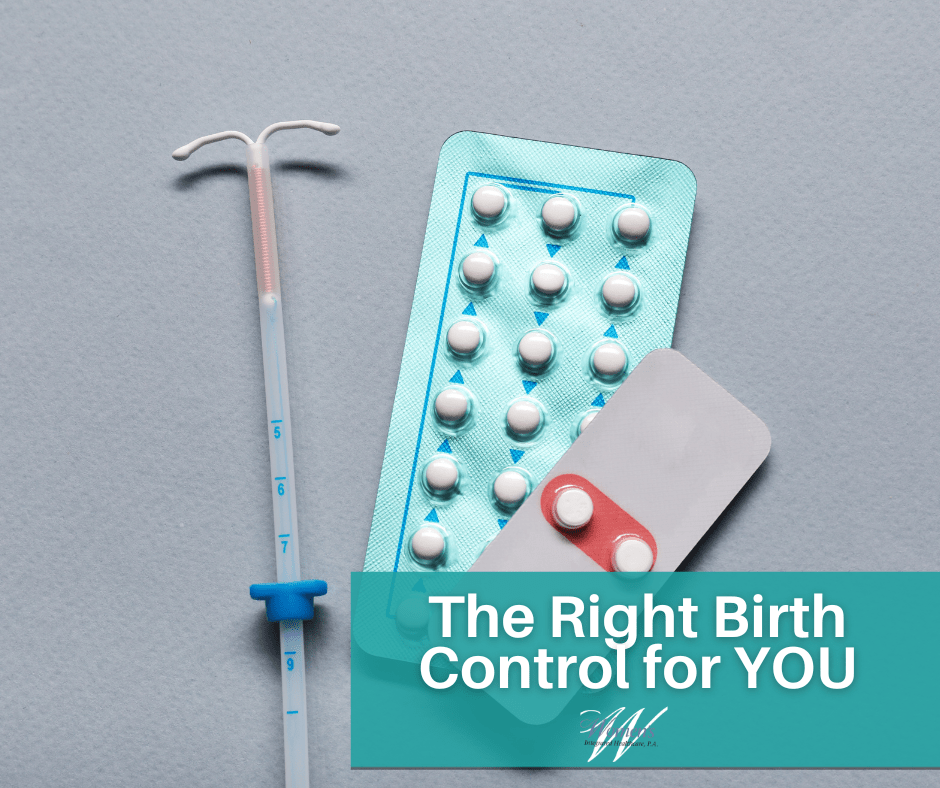
At 32, Elena was thriving. Her career in Dallas was demanding, her social life was active, and she wasn’t ready to start a family just yet. She had been on the same birth control pill since college, but lately, she was struggling. Between back-to-back meetings and evening events, she frequently missed her daily dose, leading to breakthrough bleeding and constant anxiety about a potential unplanned pregnancy. “There has to be a better way,” she told her doctor. “Something that fits my life now, not the life I had ten years ago.” Choosing birth control is no longer a one-size-fits-all decision. In 2026, the landscape of reproductive health offers more precision, fewer side effects, and higher convenience than ever before. Whether you are looking for long-term protection, hormone-free options, or a method that helps manage heavy periods, finding the right fit is about aligning your choice with your current lifestyle and health goals. Understanding Your Options in 2026 The “best” birth control is the one you can use consistently and correctly. Today, we categorize options based on how they work and how often you need to think about them. Long-Acting Reversible Contraception (LARC) These are “set it and forget it” methods. They are over 99% effective because they eliminate the possibility of human error. Short-Acting Hormonal Methods These require more frequent action but offer flexibility if you plan to become pregnant in the near future. Newer and Non-Hormonal Innovations Factors to Consider When Choosing Feature LARC (IUD/Implant) Daily Pill Non-Hormonal (Copper IUD/Gel) Effort Level Very Low High (Daily) Low to Medium Hormones Yes (except Copper) Yes No Period Impact Usually lightens Regulates May increase flow (Copper) Reversibility Immediate after removal Immediate Immediate Managing Side Effects Many women worry about weight gain, mood swings, or decreased libido. While everyone reacts differently, modern options provide more ways to troubleshoot: When to Consult Your Provider You should schedule a dedicated contraceptive counseling appointment if: Find Your Perfect Fit Birth control is a personal tool for empowerment. It should support your health, not complicate your life. At Women’s Integrated Healthcare, we take a personalized approach, looking at your medical history, lifestyle, and future family planning to find the method that feels right for you. Schedule a consultation today to explore the 2026 birth control options and find the protection that fits your life.
Pregnancy Medication Safety: What You Really Need to Know About OTC Drugs

When Sarah found out she was pregnant with her second child, she thought she knew the drill. She’d been through this before. But at her first prenatal appointment, her doctor asked about all her medications—including over-the-counter ones. Sarah rattled off her daily routine: prenatal vitamin, allergy medication, occasional ibuprofen for headaches, antacids for heartburn, and her asthma inhaler. Her doctor stopped her at ibuprofen. “We need to switch you off that immediately,” she said. Sarah was confused—she’d taken it during her first pregnancy without issue. What she didn’t know was that new research had emerged about NSAIDs after 20 weeks of pregnancy, and the safety guidelines had changed. Medication safety during pregnancy is one of the most confusing aspects of prenatal care. Guidelines change as new research emerges, the same medication might be safe in one trimester but risky in another, and the line between “safe” and “avoid” isn’t always clear. Understanding Pregnancy Safety Categories For decades, the FDA used a letter-based system (A, B, C, D, X) to categorize medication safety during pregnancy. In 2015, the FDA replaced this system with narrative summaries that provide more detailed risk information and context about timing. Medications to Absolutely Avoid During Pregnancy Common OTC Medications: What’s Safe For Pain and Fever: For Colds and Allergies: For Heartburn: For Constipation: What About Zicam? Zicam Nasal Products: Zicam Oral Products (Lozenges): Better alternatives: Prescription Medications Safe Antibiotics: Asthma Medications: Antidepressants: Thyroid Medications: Timing Matters: Risk by Trimester First Trimester (Weeks 1-12): Second Trimester (Weeks 13-27): Third Trimester (Weeks 28-40): Making Smart Decisions What If You Took Something Before Knowing You Were Pregnant? Don’t panic. The “all-or-nothing” principle applies very early in pregnancy. Tell your provider at your first visit—many exposures cause no problems. Resources for Checking Safety MotherToBaby: The Bottom Line At Women’s Integrated Healthcare, we’re here to answer your medication questions at every stage of pregnancy. Whether you’re dealing with a cold, managing a chronic condition, or just want to double-check if something’s safe, we’re a phone call away. Schedule your prenatal consultation today and get personalized guidance on medication safety throughout your pregnancy. References:
Navigating Perimenopause: When Your Body Starts the Transition

At 47, Diana thought she was losing her mind. The Dallas marketing executive had always been sharp, organized, and even-tempered. But lately, she couldn’t remember simple words in meetings, she’d wake up drenched in sweat at 3 AM, and she snapped at her family over the smallest things. Her periods had become unpredictable—sometimes three weeks apart, sometimes two months. When she mentioned it to a friend, the response was immediate: “Welcome to perimenopause.” The transition to menopause is one of the most significant hormonal shifts you’ll experience in your lifetime. Yet many women enter this phase with little understanding of what’s happening or how to manage it. If you’re in your forties and noticing changes in your body, mood, or cycles, you’re not alone. Let’s break down what perimenopause really is and what you can do about it. What Is Perimenopause? Perimenopause literally means “around menopause.” It’s the transitional period when your ovaries gradually produce less estrogen, progesterone, and testosterone. This phase can last anywhere from a few months to ten years, with an average duration of four years. You’re officially in menopause when you’ve gone twelve consecutive months without a period. Everything before that final period is perimenopause. Timeline: According to the North American Menopause Society, during perimenopause your hormone levels don’t just decline gradually—they fluctuate wildly. One month your estrogen might be normal, the next it’s sky-high, then it crashes. These erratic swings cause many of the symptoms women experience. The Most Common Perimenopause Symptoms Menstrual Changes: This is often the first sign. Your previously regular cycles become unpredictable: Hot Flashes and Night Sweats: Up to 80 percent of women experience these. A hot flash feels like sudden, intense heat spreading through your upper body and face, often accompanied by: Sleep Disruption: Even without night sweats, many women develop insomnia or poor sleep quality during perimenopause. Mood Changes: Hormonal fluctuations affect neurotransmitters, leading to: Cognitive Changes: Often called “brain fog”: Physical Changes: Sexual and Vaginal Changes: Managing Perimenopause Symptoms Lifestyle Modifications: For Hot Flashes: For Sleep: For Weight Management: Prescription Treatments: Hormone Replacement Therapy (HRT): Other Medications: When to Seek Help Contact your provider if you experience: Make This Transition Manageable Perimenopause doesn’t have to be a time of suffering. With the right information, support, and treatment, you can navigate this transition while maintaining your quality of life. At Women’s Integrated Healthcare, we specialize in helping women navigate perimenopause with personalized treatment plans. We stay current on the latest research and offer the full spectrum of options—from lifestyle guidance to hormone therapy to non-hormonal medications. Schedule a consultation today and take control of your perimenopause journey. References:
Yeast Infections: Prevention Strategies That Actually Work in 2026

Yeast infections are incredibly common, affecting approximately 75 percent of women at least once in their lifetime, with nearly half experiencing two or more episodes. Understanding why some women are more susceptible and implementing evidence-based prevention strategies can break this frustrating cycle. Understanding Yeast Infections Candidiasis (the medical term for yeast infections) occurs when Candida fungus, which normally lives in your vagina in small amounts, overgrows and causes symptoms. Common Symptoms Include: The incidence of vaginal yeast infections is estimated at 200-500 cases per 1,000 women per year, making it one of the most frequent reasons women seek gynecological care.Why Some Women Are More Susceptible Certain women are at greater risk for developing recurrent yeast infections: Hormonal Factors: Medical Conditions: Antibiotic Use:This is one of the most common triggers. Antibiotics kill beneficial bacteria that normally keep yeast populations in check. Taking antibiotics for a sinus infection, strep throat, or UTI can trigger a yeast infection days later. Lifestyle Factors: The Sugar-Yeast Connection While debated for years, research increasingly supports the link between sugar consumption and yeast infections. Candida thrives on glucose. When your diet is high in refined carbohydrates and sugar, you’re essentially feeding the yeast. The Mechanism: This doesn’t mean you need to eliminate all carbs, but moderating sugar intake, especially if you’re prone to yeast infections, makes a difference. Prevention Strategies That Work 1. Dietary Modifications Reduce Sugar and Refined Carbs: Eat Probiotic-Rich Foods: Increase Anti-Fungal Foods: 2. Clothing and Hygiene Practices Choose the Right Underwear: Post-Exercise Habits: Swimming Precautions: Avoid Irritants: 3. Medication Management Antibiotic Prevention Protocol:If you need antibiotics, ask your provider about taking probiotics simultaneously. Some evidence suggests this may reduce your risk of developing a yeast infection, though timing matters (take probiotics a few hours apart from antibiotics). Birth Control Considerations:If you’re experiencing recurrent yeast infections on hormonal birth control, discuss alternatives with your provider. Lower-estrogen formulations or non-hormonal options might help. 4. Probiotic Supplementation While research is still evolving, certain probiotic strains show promise for preventing yeast infections: Lactobacillus rhamnosus GR-1 and Lactobacillus reuteri RC-14:These specific strains have been studied for vaginal health. They can be taken orally (they migrate to the vaginal tract) or used as vaginal suppositories. Dosage:Look for supplements with at least 1 billion CFUs (colony-forming units). Take daily, especially during and after antibiotic courses. Important Note: Not all probiotics are created equal. The strains studied for vaginal health are specific and general gut health probiotics may not provide the same benefit. 5. Manage Underlying Conditions Blood Sugar Control:If you have diabetes, prediabetes, or PCOS, optimal blood sugar management significantly reduces yeast infection risk. Work with your provider to: Stress Reduction:Chronic stress weakens your immune system and disrupts hormonal balance. Both make you more vulnerable to infections. Incorporate daily stress management: 6. Sexual Health Practices During Intercourse: Barrier Methods: When to See Your Provider Don’t assume every vaginal symptom is a yeast infection. Several conditions cause similar symptoms: Bacterial Vaginosis (BV):Causes discharge with a fishy odor, unlike the odorless discharge of yeast infections. BV requires antibiotic treatment. Trichomoniasis:A sexually transmitted infection that causes frothy, yellow-green discharge and irritation. Requires prescription medication. Contact Dermatitis:Allergic reaction to soaps, detergents, or other products. Symptoms improve when you stop using the irritant. Lichen Sclerosus:A chronic skin condition causing white patches and severe itching. Requires specific treatment. Vulvodynia:Chronic vulvar pain without clear cause. Needs specialized management. See your provider if: Self-diagnosis is often incorrect. Studies show that only about one-third of women who self-diagnose yeast infections actually have one.Treatment Options Over-the-Counter Antifungals: Available as one-day, three-day, or seven-day treatments. Longer courses may be more effective for severe infections. Prescription Medications: Boric Acid:For resistant or recurrent infections, boric acid vaginal suppositories (600 mg for 14 days) can be effective. This is prescription-only and should never be taken orally (it’s toxic if swallowed). Recurrent Yeast Infections: When Standard Treatment Isn’t Enough If you’re experiencing four or more yeast infections per year, you have what’s called recurrent vulvovaginal candidiasis (RVVC). This affects about 5-8 percent of women. Possible Causes: Advanced Treatment Approaches: The Bottom Line Yeast infections are frustrating but usually manageable with the right approach. Prevention is more effective than constantly treating infections after they occur. As you start the new year, consider this your opportunity to break the yeast infection cycle. Small changes in diet, clothing choices, hygiene practices, and stress management compound over time to create an environment where yeast can’t thrive. If you’ve been dealing with recurrent infections despite your best prevention efforts, it’s time for a comprehensive evaluation. There may be underlying factors that need to be addressed for you to find lasting relief. At Women’s Integrated Healthcare, we don’t just prescribe antifungal medication and send you on your way. We investigate why you’re experiencing recurrent infections and develop a personalized prevention plan based on your unique risk factors and medical history. You don’t have to accept chronic yeast infections as your new normal. Schedule a consultation and start 2026 infection-free. References: American College of Obstetricians and Gynecologists. (n.d.). Vulvovaginal Candidiasis. Retrieved from https://www.acog.org Centers for Disease Control and Prevention. (n.d.). Vaginal Candidiasis. Retrieved from https://www.cdc.gov Journal of Lower Genital Tract Disease. (2019). Recurrent Vulvovaginal Candidiasis. Retrieved from https://journals.lww.com
When Do You Stop Being Fertile? Understanding Your Reproductive Timeline

At 38, Michelle sat in her Fort Worth office staring at the pregnancy announcement from her 42-year-old colleague. She’d been focused on her career for years, always assuming she’d have time to think about children later. But lately, friends had been sharing their struggles with infertility, and she’d seen headlines about fertility declining with age. Now the question kept her awake at night: How much time did she actually have left? Understanding your fertility timeline is one of the most important aspects of reproductive health, yet many women receive confusing or conflicting information. Whether you’re planning to start a family soon, later, or not at all, knowing the facts about fertility decline empowers you to make informed decisions about your future. The Biological Reality of Fertility Decline Let’s start with the science: women are born with all the eggs they’ll ever have. Unlike men, who produce new sperm continuously, your ovarian reserve is fixed from birth. The Numbers: But quantity isn’t the only factor. Egg quality declines significantly with age, which is why fertility drops even before your egg supply is depleted.Fertility by Decade Your 20s:This is peak fertility territory. Women in their twenties have approximately a 25-30 percent chance of conceiving each cycle when timing intercourse optimally. Miscarriage risk is lowest, around 10-15 percent. However, many women in their twenties aren’t ready to start families due to education, career, or relationship timing. Your Early 30s (30-34):Fertility remains relatively strong. Your monthly conception chance is around 20 percent. Miscarriage risk increases slightly to 15-20 percent. This is when many women begin trying to conceive, often with success within a year. Your Late 30s (35-39):This is when fertility decline accelerates noticeably. At 35, your monthly conception chance drops to about 15 percent. By 39, it’s closer to 10 percent. Miscarriage risk climbs to 20-35 percent. Genetic abnormalities become more common as egg quality decreases. Your 40s:Fertility drops significantly. At 40, monthly conception chance is around 5 percent. By 45, it’s less than 1 percent. Miscarriage risk exceeds 50 percent after age 42. Chromosomal abnormalities like Down syndrome become much more common. After 45:While not impossible, natural conception becomes extremely rare. Most women enter perimenopause (the transition to menopause) between 45 and 55. Understanding Perimenopause and Menopause Perimenopause:This transitional phase begins on average around age 47 but can start as early as the late 30s. During perimenopause: Menopause:Officially diagnosed after 12 consecutive months without a period. The average age is 51, but the range is wide (45-55 is normal). Once you reach menopause: Important Note: You can still get pregnant during perimenopause. Don’t discontinue birth control until you’ve been period-free for a full year if you want to avoid pregnancy. Factors That Affect Your Fertility Timeline Several factors influence when your fertility declines: Genetics:If your mother or sisters experienced early menopause, you may too. Family history is one of the strongest predictors of your reproductive timeline. Medical Conditions: Lifestyle Factors: Medical Treatments: Previous Ovarian Surgeries:Procedures that remove ovarian cysts or treat endometriosis can reduce your egg reserve, potentially moving up your fertility timeline. Fertility Testing: What Are Your Options? If you’re concerned about your fertility timeline, several tests provide valuable information: Anti-Müllerian Hormone (AMH):This blood test measures your ovarian reserve. Higher levels indicate more eggs remaining. However, AMH doesn’t predict egg quality or guarantee conception success. It’s most useful for understanding how much time you likely have left. Follicle-Stimulating Hormone (FSH):Measured on day three of your cycle, elevated FSH suggests declining ovarian reserve. Your ovaries need more stimulation to produce eggs, signaling reduced fertility. Antral Follicle Count (AFC):During an ultrasound, your provider counts small follicles in your ovaries. Higher counts suggest better ovarian reserve. This test is often done alongside AMH testing. Ovarian Reserve Testing:Combines AMH, FSH, and AFC for a comprehensive picture of your remaining fertility. These tests can’t tell you exactly when you’ll stop being fertile, but they provide useful data for family planning decisions. Exploring Your Fertility Options If testing reveals declining fertility or you’re approaching 40 without a partner or desire to conceive soon, consider these options: Egg Freezing:Freezing your eggs at a younger age preserves higher-quality eggs for future use. This buys time if you’re not ready for children now but want biological children later. Success rates depend heavily on the age at which eggs are frozen—freezing in your early 30s yields better results than waiting until your late 30s or 40s. Embryo Freezing:If you have a partner, freezing embryos (fertilized eggs) often has higher success rates than freezing unfertilized eggs. Embryos are more resilient through the freeze-thaw process. Fertility Treatment:If you’re actively trying to conceive and not succeeding, fertility treatments can help: The earlier you seek help, the more options you have and the better your chances of success. Alternative Paths to Parenthood:If biological children aren’t possible or desirable, adoption and foster care offer fulfilling paths to parenthood. The Mental and Emotional Aspect Facing fertility decline can trigger intense emotions: Grief:Many women grieve the loss of fertility, even if they’re not certain they want children. The closing of that option can feel like a significant life transition. Regret:“I wish I’d started trying earlier” is a common refrain. While it’s natural to look back, dwelling on what-ifs isn’t productive. Focus on what options remain available now. Pressure:Society, family, and your own internal clock can create intense pressure. Remember that your reproductive choices are deeply personal. Relief:Some women feel relieved to know where they stand. Certainty, even if the news isn’t ideal, can be empowering. Anxiety:Worrying about fertility can consume your thoughts. If anxiety is interfering with your daily life, consider speaking with a therapist who specializes in reproductive health. Common Myths About Fertility and Age Let’s dispel some misconceptions: Myth: “If I’m still having regular periods, I’m fertile.”Reality: You can have regular periods with poor egg quality. Ovulation doesn’t guarantee viable eggs. Myth: “Celebrities have babies in their 40s all the time—I can too.”Reality: Many use donor eggs or IVF with eggs frozen when they were