Managing Gestational Diabetes at Women's Integrated Healthcare, P.A.
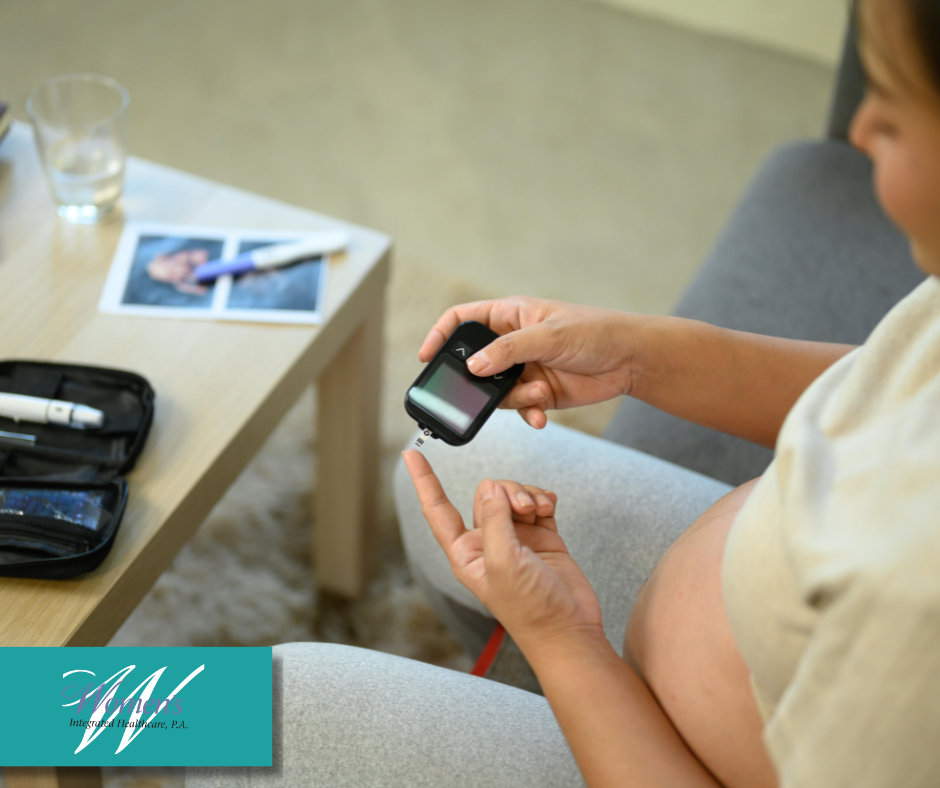
When Emily received the call from her obstetrician after her 24-week glucose test, her heart sank. She had been eating well, staying active, and gaining a healthy amount of weight. Hearing the words “gestational diabetes” made her feel like she had done something wrong. Her doctor quickly reassured her: this condition is common, manageable, and not her fault. Within a few weeks of adjusting her diet, her blood sugar levels were exactly where they needed to be. Gestational diabetes is a type of diabetes that develops during pregnancy in women who did not previously have the condition. According to the American College of Obstetricians and Gynecologists, it is one of the most common complications of pregnancy. While a diagnosis can feel overwhelming, understanding the condition and knowing how to manage it can help you maintain a healthy pregnancy and deliver a healthy baby. What Causes Gestational Diabetes? During pregnancy, the placenta produces hormones that help the baby grow. However, these hormones can also block the action of the mother’s insulin, a process known as insulin resistance. When this happens, the body needs to produce more insulin to keep blood sugar levels stable. If it cannot produce enough to overcome the resistance, blood sugar rises and gestational diabetes develops. Any pregnant woman can develop gestational diabetes, but certain factors increase the risk. These include being overweight before pregnancy, having a family history of type 2 diabetes, being older than 25, or having had gestational diabetes in a previous pregnancy. Women who have been diagnosed with Polycystic Ovary Syndrome (PCOS) are also at a higher risk, because PCOS is itself associated with insulin resistance. Warning Signs and Symptoms One of the most challenging aspects of gestational diabetes is that it often causes no noticeable symptoms. Most women feel completely normal, which is precisely why routine glucose screening between 24 and 28 weeks of pregnancy is so important. When symptoms do occur, they tend to be mild and easily confused with typical pregnancy complaints, including increased thirst, frequent urination, fatigue, and blurred vision. Because these signs are so subtle, you should never rely on symptoms alone to assess your blood sugar health. Managing Gestational Diabetes with Diet For many women, gestational diabetes can be controlled entirely through diet and lifestyle changes. A gestational diabetes diet focuses on balancing carbohydrates, proteins, and healthy fats to keep blood sugar levels stable throughout the day. Carbohydrates have the greatest impact on blood sugar, so monitoring your intake is essential. Rather than simple carbohydrates like white bread, sugary snacks, and soda, choose complex carbohydrates such as whole grains, legumes, and non-starchy vegetables. Eating small, frequent meals throughout the day helps prevent the spikes and dips in blood sugar that can be harmful during pregnancy. Pairing carbohydrates with a source of protein or healthy fat slows the absorption of sugar into your bloodstream. Your doctor may recommend working with a registered dietitian to build a meal plan tailored specifically to your needs and preferences. The Role of Exercise and Medical Care Regular physical activity is another powerful tool for managing gestational diabetes. Exercise helps the body use insulin more effectively, which directly lowers blood sugar levels. A daily 30-minute walk, prenatal yoga, or swimming can make a meaningful difference. Always check with your doctor before beginning a new exercise routine during pregnancy. In some cases, diet and exercise alone are not enough to keep blood sugar in a safe range. If this happens, your doctor may prescribe insulin or an oral medication. Taking medication does not mean you have failed. It simply means your body needs additional support to keep both you and your baby healthy throughout the pregnancy. At Women’s Integrated Healthcare, our experienced OB team provides comprehensive care for both routine and high-risk pregnancies, including the management of gestational diabetes. If you have questions or need to schedule your prenatal care, contact Women’s Integrated Healthcare in Southlake or Fort Worth today.
What Happens After Birth? Placenta Delivery and the Third Stage of Labor Explained
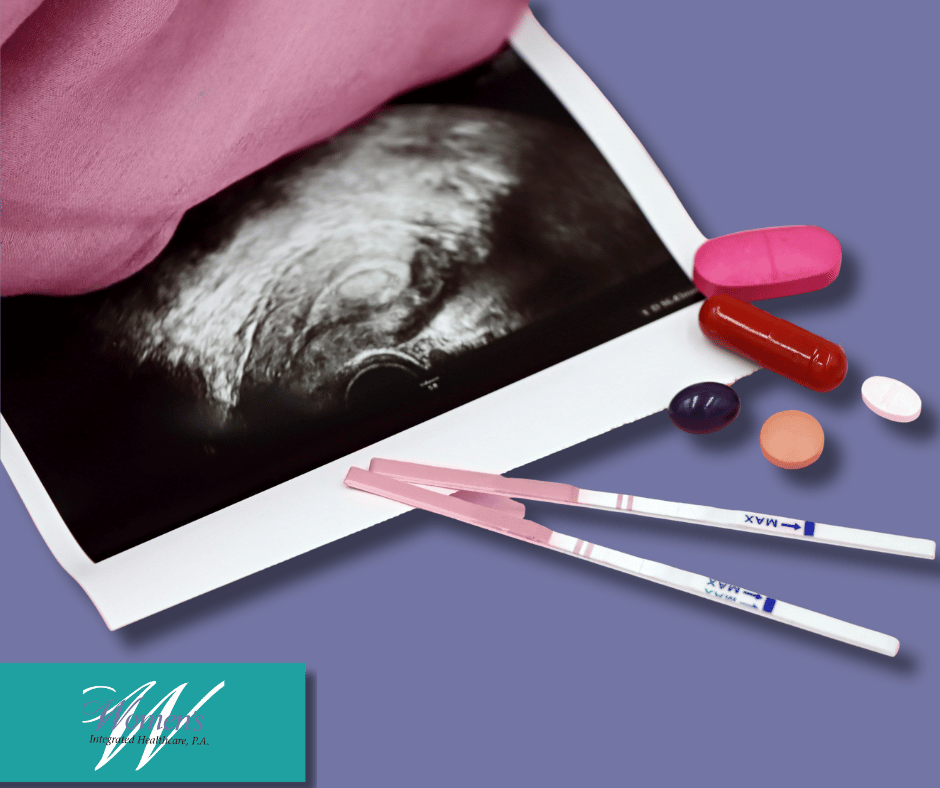
Many birth plans focus on contractions, pushing, pain management, and meeting the baby. Those are important parts of preparation, but they are not the full story. After your baby is born, your body still has one more stage of labor to complete: delivering the placenta. If you have searched how long does it take to deliver a placenta, you are not alone. The third stage of labor is brief for many patients, but understanding it ahead of time can make the delivery room feel less surprising and more manageable. What Is the Third Stage of Labor? The placenta is the organ that supplies oxygen and nutrients to your baby during pregnancy through the umbilical cord. After a vaginal birth, the placenta is delivered through the vagina after the baby is born. This is called the third stage of labor. During this stage, your uterus continues to contract. These contractions help the placenta separate from the uterine wall and move down for delivery. Some patients feel mild cramping or pressure, while others are mostly focused on holding their baby and may barely notice the process. How Long Does It Take to Deliver a Placenta? The timing depends partly on how the third stage is managed. Tommy’s, a pregnancy and baby charity, explains that patients generally have two options after vaginal birth: active management with medication or physiological management that allows the placenta to deliver on its own timeline. Approach What it means Typical timing discussed in patient education Active management A medication such as oxytocin is given to help the uterus contract The placenta usually delivers within 30 minutes. Physiological management The placenta is delivered without an oxytocin injection The process can take up to one hour for some low-risk patients. With a cesarean birth, your medical team delivers the placenta through the uterine incision after the baby is born. Why Providers Pay Close Attention Your care team monitors the third stage because retained placenta and heavy bleeding can be serious. A retained placenta means the placenta stays in the uterus longer than expected. Tommy’s explains that this may be diagnosed if the placenta is not delivered within 30 minutes with active management or within one hour with physiological management. Active management may reduce the chance of heavy bleeding after birth, also known as postpartum hemorrhage. Your provider will consider your birth circumstances, medical history, bleeding risk, and preferences when discussing options. What You May Notice During Placenta Delivery After the baby is born, your provider may watch for signs that the placenta has separated. You may feel additional contractions, pressure, or a need to push gently. Your provider may massage your uterus externally or ask you to push. If active management is used, medication helps the uterus contract. It is common for patients to have questions about what the placenta looks like, whether the process hurts, and whether anything is wrong if it takes more than a few minutes. Your provider can talk you through what is happening in real time. Many patients find it reassuring to know that the team is watching closely for bleeding, uterine tone, and complete delivery of the placenta. Questions to Ask During a Prenatal Visit The best time to discuss placenta delivery is before labor begins. You do not need to make every decision alone, and you can always ask your provider how recommendations might change depending on your delivery. Question Why it is useful What is your usual approach to the third stage of labor? Helps you understand what to expect in the delivery room Do I have any risk factors for heavy bleeding after birth? Allows your provider to explain individualized recommendations What happens if the placenta does not deliver on time? Reduces fear by clarifying the next steps before they are needed Can my preference be included in my birth plan? Encourages shared decision making with your care team When to Schedule a Conversation With Your ObGyn Bring up third-stage labor if you are writing a birth plan, if you had a retained placenta or postpartum hemorrhage in a previous birth, or if you are anxious about what happens after delivery. You should also ask questions if you are considering delayed cord clamping, have a high-risk pregnancy, or simply want a clearer picture of the minutes after birth. Labor preparation is not only about getting through contractions. It is also about understanding the sequence of care, the reasons behind common recommendations, and how your team protects you and your baby. If you are preparing for birth and want to discuss your labor plan, schedule an appointment with Women’s Integrated Healthcare in Southlake or Fort Worth. References [2] Tommy’s, Delivering the Placenta
Summer Pregnancy Safety: Heat, Hydration, and When to Call Your ObGyn

A North Texas summer can be uncomfortable for anyone, but pregnancy can make hot weather feel more intense. Your body is already working hard to support your growing baby, and high temperatures can add extra stress. The CDC notes that pregnancy can make you more likely to develop heat exhaustion, heat stroke, or another heat-related illness sooner than someone who is not pregnant because your body must work harder to cool both you and your developing baby. That does not mean you need to stay indoors all summer. It does mean that pregnancy heat safety deserves a plan. With the right habits, you can reduce your risk of overheating, recognize symptoms early, and know when to reach out to your ObGyn for guidance. Why Heat Can Feel Different During Pregnancy Pregnancy can increase your risk of dehydration, and dehydration can make it harder for your body to cool itself through sweating. When temperatures are high, especially during outdoor activity or long periods in direct sun, your internal body temperature may rise. The CDC explains that in some cases, increased internal temperature and fever during pregnancy have been linked to birth defects and other pregnancy complications. In practical terms, you may notice that activities you tolerated before pregnancy feel more draining now. A walk, errands, a pool day, or a child’s outdoor sports event may require more rest breaks, more fluids, and more attention to how your body feels. Summer situation Pregnancy safety tip Why it matters Running errands in the afternoon Park in shaded areas when possible and bring water with you Cars and pavement can intensify heat exposure quickly Outdoor exercise Choose early morning or evening and avoid strenuous activity in peak heat Pregnancy can make heat illness occur sooner than expected Pool or lake day Reapply sunscreen, rest in the shade, and drink fluids regularly Swimming can feel cool while your body still loses fluid Travel or day trips Plan extra bathroom breaks and keep water accessible Hydration needs may be higher during pregnancy Hydration Is More Than Drinking Water Once You Feel Thirsty Thirst is helpful, but it should not be your only cue. During pregnancy, a better approach is to drink steadily throughout the day. Keep a refillable bottle nearby, start hydrating before you go outside, and continue after you come back indoors. If you are sweating heavily, the CDC recommends talking with your doctor about how to safely replace salt and minerals lost through sweating. You may also support hydration with water-rich foods such as watermelon, berries, cucumbers, oranges, and soups. If nausea, vomiting, diarrhea, or food aversions make it hard to keep fluids down, call your ObGyn. Those symptoms can increase dehydration risk, and your care team can help you decide what to do next. Watch for Heat-Related Warning Signs Heat illness can begin with mild symptoms, but it can become serious if ignored. Pay attention to your body and move to a cooler place if you begin to feel unwell. The CDC recommends seeking medical care immediately if symptoms of heat-related illness occur. Symptom What to do Dizziness, weakness, or feeling faint Stop activity, get to a cooler area, drink fluids if you can, and call for help if symptoms do not improve Headache or nausea in hot weather Rest in air conditioning or shade and contact your provider if symptoms persist Heavy sweating followed by feeling very hot or confused Seek urgent medical care Contractions, vaginal bleeding, leaking fluid, or decreased fetal movement Call your ObGyn or follow your pregnancy care instructions right away It is always better to ask than to wait when something feels off. Your provider would rather help you sort through symptoms early than have you worry at home. Make a Heat Plan Before the Day Gets Busy A simple plan can make summer safer. Check the local forecast before outdoor plans, including heat and air quality alerts. The CDC recommends checking local HeatRisk and air quality so you can plan your week with your health in mind. For many pregnant patients, that may mean moving walks indoors, changing a picnic to a morning time slot, or choosing an air-conditioned activity during the hottest part of the day. If you work outdoors or in a hot environment, talk with your ObGyn about your specific situation. You may need more frequent breaks, access to fluids, shade, or other accommodations. If you have a high-risk pregnancy, blood pressure concerns, a history of preterm labor, or other medical conditions, individualized advice is especially important. When to Call Women’s Integrated Healthcare Call your ObGyn if you have symptoms that concern you, if you cannot stay hydrated, or if heat exposure is followed by cramping, contractions, vaginal bleeding, leaking fluid, severe headache, fainting, or decreased fetal movement. You should also bring up summer plans during prenatal visits, especially if you will be traveling, attending outdoor events, or exercising in the heat. Pregnancy does not have to stop you from enjoying summer, but it should change how you prepare. A few thoughtful adjustments can help you stay comfortable, protect your health, and feel more confident in the heat. If you are pregnant and have questions about summer safety, hydration, or symptoms, schedule an appointment with Women’s Integrated Healthcare in Southlake or Fort Worth. References [1] CDC, Heat and Pregnancy
Your Second Trimester: What’s Actually Happening and What to Expect
Sarah woke up on a Tuesday morning and realized something was missing. The persistent, low-grade nausea that had defined her last two months was gone. She actually wanted coffee. She had energy to walk the dog. “Is it supposed to just stop like this?” she asked at her 14-week appointment. “I feel almost normal again.” For many women, the transition into the second trimester—which spans weeks 14 through 27—feels exactly like this. The intense fatigue and morning sickness of the first trimester often lift, replaced by a renewed sense of well-being. It is frequently called the “honeymoon phase” of pregnancy. But “feeling normal” doesn’t mean nothing is happening. The second trimester is a period of rapid, complex fetal development and significant physical changes for you. Here is what is actually happening during these crucial weeks. The Physical Shift: Your Body in the Second Trimester As your hormone levels stabilize, the early pregnancy symptoms typically subside. However, your body is now accommodating a rapidly growing uterus. This physical expansion introduces a new set of symptoms. You will likely notice your abdomen beginning to show, though the timing varies widely depending on your height, core strength, and whether this is your first pregnancy. As your uterus grows upward and outward, the ligaments supporting it stretch. This can cause round ligament pain—sharp, sudden jabs of pain in your lower abdomen or groin, particularly when you change positions quickly or cough. [1] Skin changes are also common. Increased melanin production can cause a dark line to appear down the center of your abdomen (linea nigra) or darker patches on your face (melasma). [2] You may also experience increased nasal congestion or occasional nosebleeds. This is not necessarily a cold; pregnancy hormones increase blood flow to all your mucous membranes, causing them to swell. Fetal Development: From Plum to Papaya While you are feeling better, your baby is working harder than ever. At the start of the second trimester, your baby is roughly the size of a plum. By the end of week 27, they will be the size of a papaya and weigh nearly two pounds. [3] The developmental milestones during this phase are remarkable. Around week 16, your baby’s eyes can make slow movements, and their ears are close to their final position. By week 20, they are developing a sleep-wake cycle. [3] They are also growing hair, eyebrows, and eyelashes, and their skin is covered in a fine, downy hair called lanugo, which helps regulate their body temperature. Perhaps the most exciting milestone of the second trimester is quickening—the first time you feel your baby move. For first-time mothers, this usually happens between 18 and 22 weeks. It often feels like a subtle fluttering or gas bubbles. If you have been pregnant before, you may recognize the sensation earlier, around 16 weeks. [2] Prenatal Care: The Anatomy Scan and Beyond Your prenatal visits will continue every four weeks during the second trimester. These appointments are critical for monitoring your blood pressure, tracking your weight gain, and measuring your fundal height (the size of your uterus) to ensure your baby is growing appropriately. [4] The centerpiece of second-trimester prenatal care is the anatomy scan, typically performed between 18 and 22 weeks. [5] This detailed ultrasound is not just for determining the baby’s sex, though that is often an option. The primary purpose is a comprehensive medical evaluation. The sonographer will examine your baby’s heart, brain, spine, kidneys, and limbs to ensure they are developing correctly. They will also check the position of your placenta and the volume of your amniotic fluid. Between weeks 24 and 28, you will also undergo a glucose screening test to check for gestational diabetes, a condition that affects how your cells use sugar during pregnancy. [4] When to Call Your Provider While the second trimester is generally the most comfortable phase of pregnancy, certain symptoms require immediate medical attention. You should contact your provider if you experience: Do not rely on internet searches if something feels wrong. That is exactly what your obstetric team is here for. The second trimester is a time of visible progress and, for most women, increased comfort. Enjoy the return of your energy, celebrate the milestones like the anatomy scan and the first kicks, and continue prioritizing your health. Are you entering your second trimester and looking for comprehensive, supportive prenatal care? Schedule an appointment with Women’s Integrated Healthcare to ensure you and your baby are on the right track. References [1] Mayo Clinic. (2025). 2nd trimester pregnancy: What to expect. https://www.mayoclinic.org/healthy-lifestyle/pregnancy-week-by-week/in-depth/pregnancy/art-20047732 [2] Mayo Clinic. (2025). Pregnancy week by week: Second trimester. https://www.mayoclinic.org/healthy-lifestyle/pregnancy-week-by-week/basics/second-trimester/hlv-20049471 [3] Mayo Clinic. (2025). Fetal development: The 2nd trimester. https://www.mayoclinic.org/healthy-lifestyle/pregnancy-week-by-week/in-depth/fetal-development/art-20046151 [4] Mayo Clinic. (2024). Prenatal care: Second trimester visits. https://www.mayoclinic.org/healthy-lifestyle/pregnancy-week-by-week/in-depth/prenatal-care/art-20044581 [5] National Center for Biotechnology Information. (2023). Sonography 2nd Trimester Assessment, Protocols, and Interpretation. https://www.ncbi.nlm.nih.gov/books/NBK570574/
Preconception Planning in Spring: The Best Time to Prepare Your Body

Spring has a way of making people think about new beginnings. If starting a family is on your mind this year, you’re probably focused on ovulation tracking apps and prenatal vitamins. Those things matter — but the most important step most women overlook is a preconception visit before they start trying. The three months before conception are one of the most influential windows in a future pregnancy. What you do — and don’t do — during this time affects egg quality, early fetal development, and your body’s readiness for the demands ahead. Here’s what actually matters. Start With a Preconception Visit A preconception checkup is different from a routine annual exam. Your provider will review your health history, assess any chronic conditions, evaluate medications that may need to be switched to pregnancy-safe alternatives, and make sure your vaccinations are current. Some vaccines require a waiting period before you can safely try to conceive, so timing matters. Blood work at this visit typically checks for anemia, thyroid function, immunity to rubella and chickenpox, and blood sugar. If you or your partner have a family history of genetic conditions, this is also the time to discuss carrier screening. Don’t wait until you’re already trying to schedule this visit. Many of the adjustments that make the biggest difference — starting folic acid, switching medications, treating an undiagnosed thyroid issue — need several weeks to take effect. Folic Acid: Start Now, Not After a Positive Test Neural tube defects occur in the first 28 days of pregnancy, often before a woman knows she’s pregnant. The American College of Obstetricians and Gynecologists recommends beginning folic acid supplementation — at least 400 to 800 mcg daily — at least one month before trying to conceive, and ideally three months ahead. A prenatal vitamin with adequate folic acid is the simplest way to cover this. Start taking one now, regardless of how soon you plan to begin trying. What to Eat, What to Limit Fertility nutrition isn’t about a strict diet — it’s about consistency. Focus on leafy greens, colorful vegetables, lean proteins, healthy fats, and whole grains. Limit caffeine to under 200mg daily (roughly one 12-ounce coffee). Cut back on alcohol; no amount is proven safe during the conception window or early pregnancy. High-mercury fish — shark, swordfish, king mackerel, and tilefish — should be avoided both during pregnancy and when trying to conceive. Salmon, sardines, and shrimp are low-mercury options with beneficial omega-3s that support hormone production. Address Lifestyle Factors That Affect Fertility Moderate exercise improves fertility outcomes. Aim for 30 minutes of moderate activity most days — walking, swimming, cycling, yoga. Very high-intensity training can disrupt ovulation in some women, so balance is important if you train heavily. If you smoke, quitting is the single most impactful change you can make before trying to conceive. Smoking damages eggs, reduces fertility, and significantly increases miscarriage risk. Your provider can connect you with cessation resources. Chronic stress disrupts hormonal signaling and can affect cycle regularity. Spring is a natural moment to evaluate what’s draining your energy and build in more restoration — not as a luxury, but as part of your preconception plan. Understanding Your Cycle Start tracking your menstrual cycle now if you aren’t already. Note cycle length, any spotting, and changes in cervical mucus. This data helps you identify your fertile window, flags potential irregularities worth discussing with your provider, and gives baseline information that’s useful if conception takes longer than expected. If your cycles are irregular or you’ve had prior pregnancy losses, mention this at your preconception visit rather than waiting to see what happens. The Bottom Line Preconception planning isn’t about perfection — it’s about giving yourself the best possible foundation before you begin. A single visit, a prenatal vitamin, and a few consistent habits can make a meaningful difference. Spring is a good time to begin. Schedule a preconception consultation to review your health, address any concerns, and create a personalized roadmap for your path to pregnancy. Sources
Medication Safety in Pregnancy: What Changed, What Didn’t, and How to Know the Difference

One of the most common calls we receive from pregnant patients starts the same way: “I took something before I knew. Am I okay?” The second most common: “I have a terrible cold and I don’t know what I’m allowed to take.” Both are completely valid concerns — and both deserve a real answer rather than a panicked Google search at midnight. Medication safety in pregnancy is genuinely complicated. Guidelines shift as new research emerges. The same drug may be safe in one trimester and riskier in another. And the information online ranges from overly cautious to outdated. Here’s a current, practical guide. The Trimester Timing Question The first trimester — weeks one through twelve — is the most critical period for organ development. This is when major structural birth defects can occur if embryonic development is disrupted, which is why medication avoidance is most important during these weeks. Many providers recommend limiting medications to what’s truly necessary until the end of the first trimester. The second trimester generally has a more favorable safety profile for common medications. However, this is also when some medications become riskier that were acceptable earlier — NSAIDs are the clearest example. After 20 weeks, ibuprofen and naproxen (common anti-inflammatory pain relievers) should be avoided. Research has linked NSAID use in the second half of pregnancy to reduced amniotic fluid, kidney problems in the developing baby, and premature closure of a fetal blood vessel. Acetaminophen (Tylenol) remains the appropriate option for pain and fever throughout pregnancy. What’s Safe for Common Complaints For pain and fever: Acetaminophen is safe throughout pregnancy at recommended doses. Avoid ibuprofen, naproxen, and aspirin unless specifically directed by your provider. For allergies and colds: Saline nasal spray and rinses are safe at any point and more effective than many people realize. Loratadine (Claritin) and cetirizine (Zyrtec) have good safety data and are generally considered acceptable throughout pregnancy. Diphenhydramine (Benadryl) is safe but causes drowsiness. Pseudoephedrine should be avoided in the first trimester and used cautiously later only with provider guidance. For products like Zicam: Zicam nasal spray should be avoided in pregnancy. Oral zinc lozenges are lower risk but should be monitored for total zinc intake — your prenatal vitamin already contains zinc, and combined intake should stay under 40mg daily. Saline rinses, rest, hydration, and acetaminophen for fever are safer and effective alternatives for cold symptoms. For heartburn: Calcium carbonate antacids (Tums, Rolaids) are safe. Famotidine (Pepcid) is acceptable. Proton pump inhibitors like omeprazole are generally used when other options don’t provide relief. For constipation: Fiber supplements and Colace (docusate) are safe. MiraLAX is generally acceptable. Avoid castor oil, which can trigger uterine contractions. What to Do If You Took Something Before You Knew Don’t panic. Very early in pregnancy — before implantation and in the first days after — there’s an “all or nothing” effect where exposures either cause no effect or affect the pregnancy entirely. Most common medication exposures in early pregnancy cause no harm. Bring a list of everything you’ve taken to your first prenatal appointment and review it with your provider. In the vast majority of cases, the answer is reassuring. Prescription Medications: Don’t Stop Without Guidance If you take medication for a chronic condition — thyroid disease, asthma, depression, epilepsy, high blood pressure — do not stop it when you learn you’re pregnant without speaking to your provider first. Uncontrolled chronic conditions are often riskier to a pregnancy than the medications used to treat them. Your provider can assess whether your current regimen is appropriate or whether adjustments should be made. The same applies to antidepressants. Untreated depression and anxiety during pregnancy carry real risks. The decision about whether to continue, adjust, or switch medications should be made thoughtfully with your provider — not made unilaterally out of fear. When in doubt about any medication during pregnancy, call before you take it. That’s always the right call. Schedule a prenatal appointment to discuss medication safety, review your current regimen, and get personalized guidance for your specific situation and trimester. Sources
Preparing Your Body for Pregnancy: A Pre-Conception Checklist

You’ve decided you’re ready to start trying for a baby. The excitement is real—but before you toss the birth control, there’s important preparation that can dramatically improve your chances of conception and a healthy pregnancy. Preconception health isn’t just about stopping contraception and hoping for the best. The three months before conception are crucial for optimizing your body and reducing risks. Think of it as creating the healthiest possible environment before your baby even begins to develop. Start With a Preconception Visit Schedule a checkup before you start trying to conceive. This visit is different from a regular exam and should include: Health History Review: Your provider will assess chronic conditions (diabetes, thyroid disorders, high blood pressure), past pregnancy complications, family history of genetic conditions, and current medications that may need adjustment. Essential Screenings: Medication Review: Some medications aren’t safe during pregnancy. If you take medications for chronic conditions, your provider may switch you to pregnancy-safe alternatives before you conceive. Don’t stop any prescription medications without medical guidance. Optimize Your Nutrition What you eat in the months before conception affects egg quality, fertility, and early fetal development. Start Prenatal Vitamins Now: Begin taking prenatal vitamins with at least 400-800 mcg of folic acid three months before trying to conceive. Folic acid taken before and during early pregnancy dramatically reduces neural tube defects. Focus on Fertility-Friendly Foods: What to Limit: Achieve a Healthy Weight Both underweight and overweight status can affect fertility and pregnancy outcomes. If your BMI is outside the healthy range, work with your provider on a safe plan to reach a healthier weight before conception. Even a 5-10 percent weight loss can significantly improve fertility for women who are overweight. Similarly, gaining weight if you’re underweight can restore regular ovulation. Address Lifestyle Factors Exercise Regularly: Moderate exercise improves fertility and prepares your body for pregnancy. Aim for 30 minutes of moderate activity most days. However, excessive high-intensity exercise can disrupt ovulation, so balance is key. Quit Smoking: Smoking damages eggs, reduces fertility, and increases miscarriage risk. If you smoke, quitting should be your top preconception priority. Secondhand smoke exposure should also be minimized. Limit Environmental Toxins: Reduce exposure to pesticides, cleaning chemicals, and other toxins when possible. Switch to natural cleaning products and eat organic when feasible, especially for produce high in pesticides. Manage Stress: Chronic stress can disrupt ovulation. Incorporate stress-reduction techniques like yoga, meditation, or regular relaxation time into your routine. Update Vaccinations Certain infections during pregnancy can cause serious complications. Ensure you’re current on: Some vaccines require you to wait one to three months before trying to conceive, so schedule this checkup early. Understand Your Cycle Start tracking your menstrual cycle to identify your fertile window. This helps you time intercourse optimally and alerts you to potential issues. Track: Apps can help, but nothing replaces awareness of your body’s natural signs. Screen for Genetic Conditions If you have a family history of genetic disorders, or you and your partner share certain ethnic backgrounds with higher risks for specific conditions, consider genetic carrier screening. This simple blood test can identify if you’re carriers for conditions like cystic fibrosis, sickle cell disease, or Tay-Sachs disease. The Male Factor Preconception health isn’t just about the woman. Your partner should also: Set Realistic Expectations Understanding normal fertility timelines reduces anxiety: Start Your Journey Right Taking these preconception steps significantly improves your chances of conceiving quickly and having a healthy pregnancy. It’s not about perfection—it’s about giving your future baby the best possible start. At Women’s Integrated Healthcare, our preconception counseling provides personalized guidance based on your unique health history. We’ll help you optimize your health, address any concerns, and create a roadmap for your path to parenthood. Schedule your preconception consultation today and start your pregnancy journey with confidence. References:
Spring Allergies During Pregnancy: Safe Relief and When to Worry
The spring wildflowers are blooming across Texas, and so are your allergies. Your eyes are watering, your nose won’t stop running, and you’re sneezing constantly. Normally, you’d reach for your trusty allergy medication. But now you’re pregnant, and suddenly everything feels complicated. Spring allergies during pregnancy present a double challenge: your symptoms may actually worsen due to hormonal changes, yet many of your usual remedies are off-limits or questionable. Understanding what’s safe can help you breathe easier—literally. Why Allergies Worsen During Pregnancy If your allergies seem more intense this spring, you’re not imagining it. Pregnancy hormones increase blood flow throughout your body, including to the mucous membranes in your nose. This can cause nasal congestion even without allergies, a condition called pregnancy rhinitis. When you add seasonal allergies to the mix, the result can be miserable. Additionally, about one-third of pregnant women experience worsening of their pre-existing allergies, while another third see improvement, and the final third notice no change. Safe Allergy Relief Options The good news: several effective allergy treatments are considered safe during pregnancy. First-Line Defenses: Safe Medications: According to the American College of Obstetricians and Gynecologists, several antihistamines have good safety data during pregnancy: What to Avoid: Natural Approaches That Help Beyond medication, several natural strategies can reduce symptoms: When Allergies Signal Something More While most spring allergies are merely uncomfortable, certain symptoms warrant immediate attention: These could indicate a sinus infection, asthma exacerbation, or other conditions requiring prescription treatment. Untreated respiratory infections during pregnancy can lead to complications, so don’t hesitate to call your provider. Planning Ahead for Next Spring If this spring’s allergies have been particularly rough, talk to your provider about prevention strategies before next allergy season. Starting antihistamines a week or two before symptoms typically begin can help reduce severity. Additionally, working with an allergist to identify your specific triggers can help you avoid them more effectively. Get Personalized Guidance Every pregnancy is unique, and your allergy treatment plan should be too. At Women’s Integrated Healthcare, we can review your specific symptoms, health history, and trimester to recommend the safest, most effective relief options for you. Don’t suffer through another spring day unable to breathe. Schedule a consultation today and get personalized guidance for managing your allergies safely throughout your pregnancy. References:
Choosing the Right Birth Control: A Complete Guide to Your Options in 2026
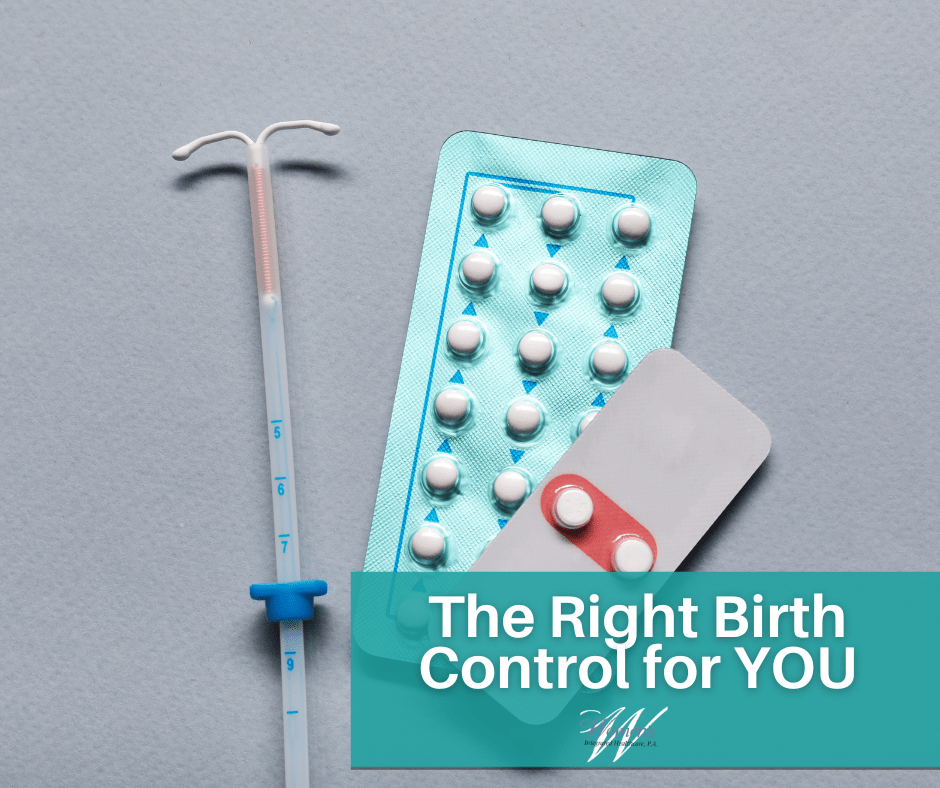
At 32, Elena was thriving. Her career in Dallas was demanding, her social life was active, and she wasn’t ready to start a family just yet. She had been on the same birth control pill since college, but lately, she was struggling. Between back-to-back meetings and evening events, she frequently missed her daily dose, leading to breakthrough bleeding and constant anxiety about a potential unplanned pregnancy. “There has to be a better way,” she told her doctor. “Something that fits my life now, not the life I had ten years ago.” Choosing birth control is no longer a one-size-fits-all decision. In 2026, the landscape of reproductive health offers more precision, fewer side effects, and higher convenience than ever before. Whether you are looking for long-term protection, hormone-free options, or a method that helps manage heavy periods, finding the right fit is about aligning your choice with your current lifestyle and health goals. Understanding Your Options in 2026 The “best” birth control is the one you can use consistently and correctly. Today, we categorize options based on how they work and how often you need to think about them. Long-Acting Reversible Contraception (LARC) These are “set it and forget it” methods. They are over 99% effective because they eliminate the possibility of human error. Short-Acting Hormonal Methods These require more frequent action but offer flexibility if you plan to become pregnant in the near future. Newer and Non-Hormonal Innovations Factors to Consider When Choosing Feature LARC (IUD/Implant) Daily Pill Non-Hormonal (Copper IUD/Gel) Effort Level Very Low High (Daily) Low to Medium Hormones Yes (except Copper) Yes No Period Impact Usually lightens Regulates May increase flow (Copper) Reversibility Immediate after removal Immediate Immediate Managing Side Effects Many women worry about weight gain, mood swings, or decreased libido. While everyone reacts differently, modern options provide more ways to troubleshoot: When to Consult Your Provider You should schedule a dedicated contraceptive counseling appointment if: Find Your Perfect Fit Birth control is a personal tool for empowerment. It should support your health, not complicate your life. At Women’s Integrated Healthcare, we take a personalized approach, looking at your medical history, lifestyle, and future family planning to find the method that feels right for you. Schedule a consultation today to explore the 2026 birth control options and find the protection that fits your life.
Pregnancy Medication Safety: What You Really Need to Know About OTC Drugs
When Sarah found out she was pregnant with her second child, she thought she knew the drill. She’d been through this before. But at her first prenatal appointment, her doctor asked about all her medications—including over-the-counter ones. Sarah rattled off her daily routine: prenatal vitamin, allergy medication, occasional ibuprofen for headaches, antacids for heartburn, and her asthma inhaler. Her doctor stopped her at ibuprofen. “We need to switch you off that immediately,” she said. Sarah was confused—she’d taken it during her first pregnancy without issue. What she didn’t know was that new research had emerged about NSAIDs after 20 weeks of pregnancy, and the safety guidelines had changed. Medication safety during pregnancy is one of the most confusing aspects of prenatal care. Guidelines change as new research emerges, the same medication might be safe in one trimester but risky in another, and the line between “safe” and “avoid” isn’t always clear. Understanding Pregnancy Safety Categories For decades, the FDA used a letter-based system (A, B, C, D, X) to categorize medication safety during pregnancy. In 2015, the FDA replaced this system with narrative summaries that provide more detailed risk information and context about timing. Medications to Absolutely Avoid During Pregnancy Common OTC Medications: What’s Safe For Pain and Fever: For Colds and Allergies: For Heartburn: For Constipation: What About Zicam? Zicam Nasal Products: Zicam Oral Products (Lozenges): Better alternatives: Prescription Medications Safe Antibiotics: Asthma Medications: Antidepressants: Thyroid Medications: Timing Matters: Risk by Trimester First Trimester (Weeks 1-12): Second Trimester (Weeks 13-27): Third Trimester (Weeks 28-40): Making Smart Decisions What If You Took Something Before Knowing You Were Pregnant? Don’t panic. The “all-or-nothing” principle applies very early in pregnancy. Tell your provider at your first visit—many exposures cause no problems. Resources for Checking Safety MotherToBaby: The Bottom Line At Women’s Integrated Healthcare, we’re here to answer your medication questions at every stage of pregnancy. Whether you’re dealing with a cold, managing a chronic condition, or just want to double-check if something’s safe, we’re a phone call away. Schedule your prenatal consultation today and get personalized guidance on medication safety throughout your pregnancy. References: