Flu Shot During Pregnancy: What to Know Before Flu Season Starts

Consider someone who is 22 weeks pregnant and standing in line at the pharmacy in early September. She sees the sign for flu shots and pauses. Her first thought is simple: “Should I wait until I ask my OB/GYN?” Her second thought comes faster: “Could this hurt the baby?” At fall prenatal visits, we hear versions of those questions every year. Pregnancy can make each health decision feel bigger, especially when online advice points in ten different directions. We’re glad when patients ask. A quick conversation can replace a lot of second-guessing. The CDC recommends a flu shot during any trimester of pregnancy. September and October are generally good months to get vaccinated, which is why this question comes up so often as fall begins. [1] Why flu prevention matters during pregnancy During pregnancy, your immune system, heart, and lungs work differently. Flu can lead to more serious illness, including illness that requires hospitalization. A flu shot also helps protect your baby after birth through antibodies passed during pregnancy. [1] We don’t say that to make you anxious every time someone nearby sneezes. We say it because planning ahead feels a lot easier than trying to make decisions while you’re sick. Can I get a flu shot in the first trimester? Yes. CDC guidance says the influenza vaccine can be given during any trimester of pregnancy. [1] You don’t need to delay vaccination simply because you’re early in pregnancy. If you’ve had a severe reaction to a vaccine or have questions about a particular health condition, bring those up with your provider before you get the shot. One detail matters: pregnant patients should get the flu shot, not the nasal spray flu vaccine. The nasal spray uses a live, weakened virus and isn’t recommended during pregnancy. [1] What side effects might I notice? Most people have mild, short-lived side effects after a flu shot. Your arm may feel sore. You may feel tired or achy, or run a low fever for a day or two. Those symptoms can be uncomfortable, but they don’t mean you caught the flu from the vaccine. [1] If you’re unsure what over-the-counter medicine is appropriate for a fever, aches, or another symptom during pregnancy, call your OB/GYN before taking something new. Our medication safety in pregnancy guide can help you prepare questions for that conversation. What if I already feel sick? A flu shot helps prevent flu. It doesn’t treat an active illness. Call your healthcare provider if you’re pregnant and develop flu-like symptoms such as fever, chills, body aches, a cough, sore throat, or sudden fatigue. Your provider can guide you on next steps and whether treatment may be appropriate. We’d rather hear from you early than have you spend a miserable weekend wondering whether you should call. Pregnancy deserves a little more caution when you’re ill. Bring the question to your fall prenatal visit You already have enough to think about during pregnancy. Add this to your next appointment list: “Where should I get my flu shot, and do I have any reason to wait?” We’re happy to talk through timing, allergies, and any concerns you’ve heard from friends or online. A flu shot is one small step that can help protect you during pregnancy and help protect your baby in the first months after birth. Ask your Women’s Integrated Healthcare provider about flu vaccination at your next prenatal visit. We’re here to help you feel prepared, not pressured. Clinical reference [1] Centers for Disease Control and Prevention, “Flu Vaccine Safety and Pregnancy”
Gestational Diabetes Guide by Women's Integrated Healthcare, P.A.
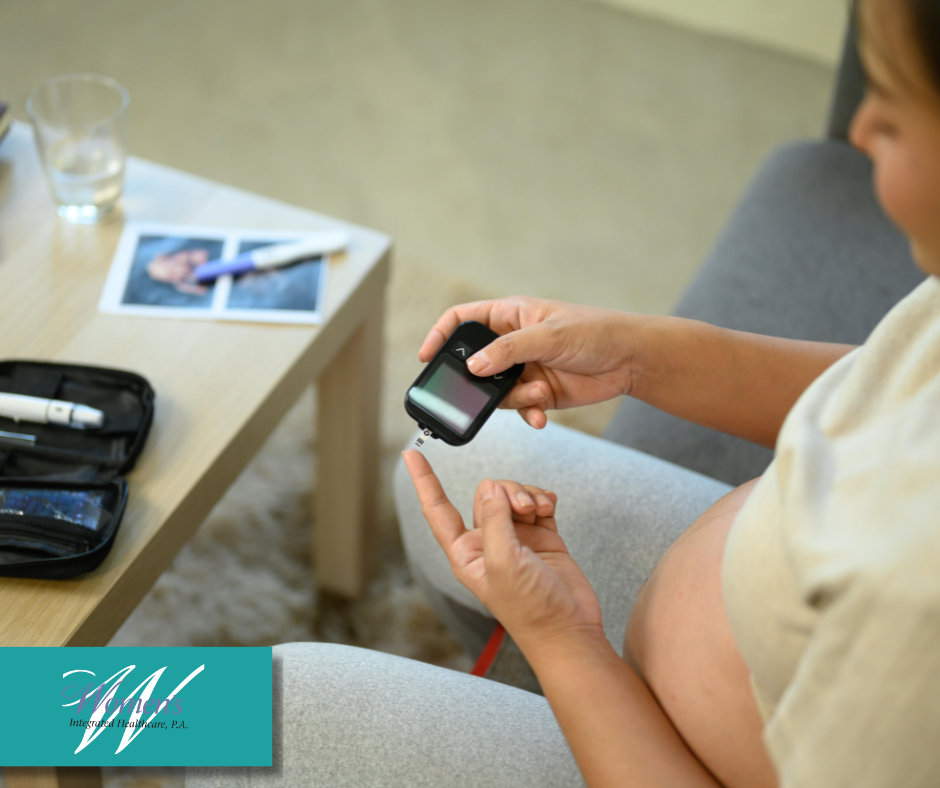
When Emily received the call from her obstetrician after her 24-week glucose test, her heart sank. She had been eating well, staying active, and gaining a healthy amount of weight. Hearing the words “gestational diabetes” made her feel like she had done something wrong. Her doctor quickly reassured her: this condition is common, manageable, and not her fault. Within a few weeks of adjusting her diet, her blood sugar levels were exactly where they needed to be. Gestational diabetes is a type of diabetes that develops during pregnancy in women who did not previously have the condition. According to the American College of Obstetricians and Gynecologists, it is one of the most common complications of pregnancy. While a diagnosis can feel overwhelming, understanding the condition and knowing how to manage it can help you maintain a healthy pregnancy and deliver a healthy baby. What Causes Gestational Diabetes? During pregnancy, the placenta produces hormones that help the baby grow. However, these hormones can also block the action of the mother’s insulin, a process known as insulin resistance. When this happens, the body needs to produce more insulin to keep blood sugar levels stable. If it cannot produce enough to overcome the resistance, blood sugar rises and gestational diabetes develops. Any pregnant woman can develop gestational diabetes, but certain factors increase the risk. These include being overweight before pregnancy, having a family history of type 2 diabetes, being older than 25, or having had gestational diabetes in a previous pregnancy. Women who have been diagnosed with Polycystic Ovary Syndrome (PCOS) are also at a higher risk, because PCOS is itself associated with insulin resistance. Warning Signs and Symptoms One of the most challenging aspects of gestational diabetes is that it often causes no noticeable symptoms. Most women feel completely normal, which is precisely why routine glucose screening between 24 and 28 weeks of pregnancy is so important. When symptoms do occur, they tend to be mild and easily confused with typical pregnancy complaints, including increased thirst, frequent urination, fatigue, and blurred vision. Because these signs are so subtle, you should never rely on symptoms alone to assess your blood sugar health. Managing Gestational Diabetes with Diet For many women, gestational diabetes can be controlled entirely through diet and lifestyle changes. A gestational diabetes diet focuses on balancing carbohydrates, proteins, and healthy fats to keep blood sugar levels stable throughout the day. Carbohydrates have the greatest impact on blood sugar, so monitoring your intake is essential. Rather than simple carbohydrates like white bread, sugary snacks, and soda, choose complex carbohydrates such as whole grains, legumes, and non-starchy vegetables. Eating small, frequent meals throughout the day helps prevent the spikes and dips in blood sugar that can be harmful during pregnancy. Pairing carbohydrates with a source of protein or healthy fat slows the absorption of sugar into your bloodstream. Your doctor may recommend working with a registered dietitian to build a meal plan tailored specifically to your needs and preferences. The Role of Exercise and Medical Care Regular physical activity is another powerful tool for managing gestational diabetes. Exercise helps the body use insulin more effectively, which directly lowers blood sugar levels. A daily 30-minute walk, prenatal yoga, or swimming can make a meaningful difference. Always check with your doctor before beginning a new exercise routine during pregnancy. In some cases, diet and exercise alone are not enough to keep blood sugar in a safe range. If this happens, your doctor may prescribe insulin or an oral medication. Taking medication does not mean you have failed. It simply means your body needs additional support to keep both you and your baby healthy throughout the pregnancy. At Women’s Integrated Healthcare, our experienced OB team provides comprehensive care for both routine and high-risk pregnancies, including the management of gestational diabetes. If you have questions or need to schedule your prenatal care, contact Women’s Integrated Healthcare in Southlake or Fort Worth today.
Summer Travel During Pregnancy: Safe Flying, Road Trips, and Vacation Planning

July is peak vacation season, and many expecting mothers plan trips to relax and celebrate before their baby arrives. Traveling during pregnancy can be completely safe and highly enjoyable, but a changing body requires a few extra layers of preparation. High summer temperatures, long periods of sitting, and varying access to healthcare at your destination mean that pregnancy travel safety should be a central part of your vacation checklist. With some thoughtful adjustments, you can navigate flights, road trips, and resort stays comfortably while protecting your health and your pregnancy. Finding the Best Window for Travel While travel is often possible throughout the majority of a low-risk pregnancy, the second trimester is generally considered the ideal window for vacations. Spanning from week 14 to week 28, this period typically brings relief from first-trimester morning sickness and intense fatigue, while your physical mobility remains high before the third trimester. ACOG notes that most commercial airlines allow pregnant passengers to fly up to 36 weeks of pregnancy if they have a low-risk gestation and no medical complications. However, every pregnancy is unique, and travel recommendations can change if you have blood pressure concerns, a history of preterm labor, or a multiple pregnancy. Reviewing your travel itinerary during a prenatal visit ensures that your plans align with your current care instructions. Guidelines for Safe and Comfortable Flights Air travel during a summer vacation requires specific habits to minimize discomfort and prevent complications. The combination of low cabin humidity and high summer temperatures outside can quickly cause dehydration, making it necessary to drink water steadily before, during, and after your flight. Long flights also increase the risk of deep vein thrombosis, which is a condition where blood clots form in the deep veins of the legs. Pregnancy naturally alters your blood circulation, making movement crucial when you are seated for hours. Choosing an aisle seat allows you to stand up and walk down the cabin aisle regularly without disturbing other passengers. Travel situation Pregnancy safety tip Why it matters Commercial flights Wear graduation compression socks and walk the cabin aisle every hour Promotes lower limb circulation and reduces the risk of blood clots Road trips and drives Stop every 90 minutes to stretch your legs and use the restroom Relieves pelvic pressure and prevents deep vein stagnation Vehicle seatbelt placement Position the lap belt low under your abdomen and flat across your hip bones Ensures the belt protects you properly without putting pressure on the baby Destination arrival Locate the nearest hospital with emergency obstetric care before checking in Provides immediate peace of mind and quick medical access if an urgent issue arises Navigating Summer Road Trips and Long Drives If your July plans involve a driving vacation or a weekend road trip, time management is your best asset. Sitting in a car for extended periods can cause fluid retention in your ankles and increase lower back strain. Plan your route with scheduled stops every hour and a half so you can exit the vehicle, stretch your calf muscles, and use the restroom. Vehicle safety requires strict attention to how you wear your seatbelt. The lap portion of the belt should never rest across your stomach or abdomen. Instead, secure it snugly underneath your belly, resting flat against your hip bones. The shoulder harness should position comfortably between your breasts and to the side of your abdominal curve. Never disable or alter airbags, as automated safety features are critical for protecting both mother and baby during an unexpected stop. Destination Planning and Medical Preparation Before you pack your bags, take time to evaluate the medical resources available at your vacation destination. If you are traveling internationally or visiting a remote domestic location, verify that a medical facility with dedicated obstetric care is accessible within a reasonable driving distance. It is also highly recommended to carry a paper copy or a secure digital download of your prenatal records, especially if you are entering your third trimester. If you require emergency care while away from home, having your lab results, ultrasound reports, and blood type on hand allows local physicians to assist you safely and accurately. When to Call Women’s Integrated Healthcare Contact your ObGyn immediately if you experience warning signs during your trip, such as vaginal bleeding, leaking fluid, regular uterine cramping or contractions, severe abdominal pain, a sudden swelling of your face or hands, a persistent headache, or a noticeable decrease in your baby’s movement. You should also reach out if you develop symptoms of an infection, including a fever or severe vomiting that prevents you from keeping fluids down. Pregnancy does not mean you have to skip summer traditions, but it does mean you must listen to your body and pace your activities. Planning ahead preserves your energy and ensures a safe, relaxing summer getaway. If you are planning an upcoming summer trip and want to review your travel safety plan, schedule an appointment with Women’s Integrated Healthcare in Southlake or Fort Worth. References