
Choosing Birth Control That Fits Your Life, Not Just Your Cycle
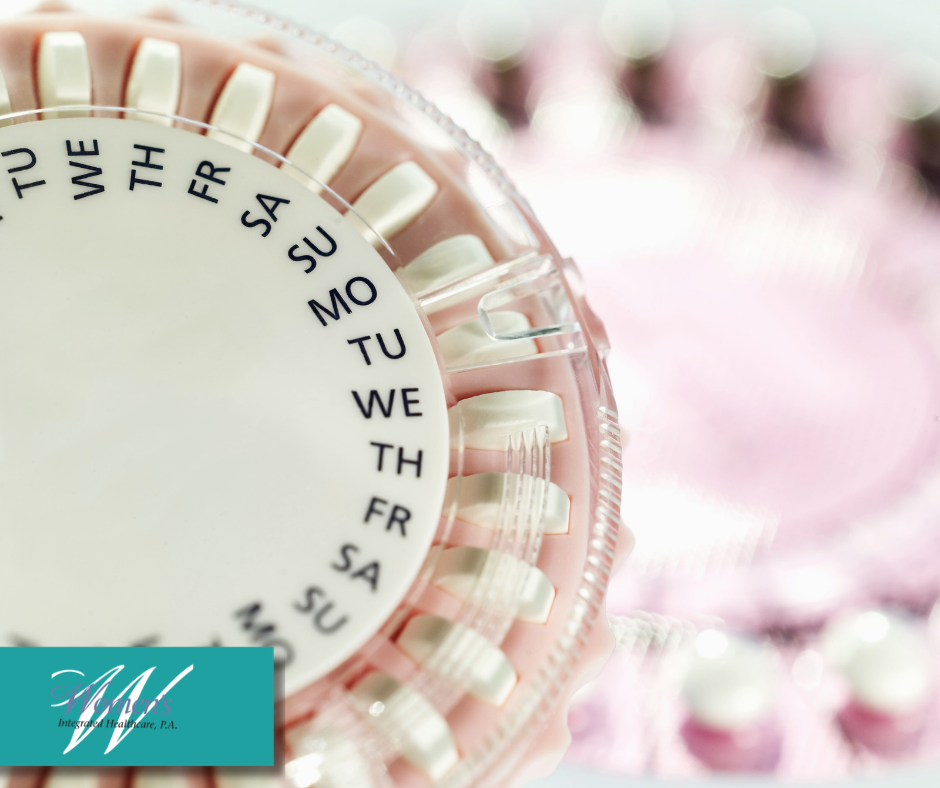
Most birth control conversations start and end with one question: does it prevent pregnancy effectively? That’s an important question. It’s also not the only one that matters. What actually goes into the right choice The most effective method on paper isn’t automatically the right method for you. A good birth control conversation accounts for your health history, your cycle symptoms, your daily routine, whether you tolerate hormones well, and what you’re hoping to manage beyond pregnancy prevention, whether that’s heavy periods, acne, or PCOS-related symptoms. [1] Some methods require a daily routine. Others are set-and-forget for years at a time. Some patients want a method they control entirely on their own schedule. Others prefer something that removes the daily decision altogether. None of these preferences are wrong, and a good consultation treats them as relevant information, not obstacles to a “correct” answer. Hormonal isn’t the only category Birth control conversations sometimes default to hormonal options without acknowledging non-hormonal choices, including copper IUDs and barrier methods. If you’ve had a difficult experience with hormonal birth control in the past, or simply prefer to avoid it, that’s a legitimate starting point for the conversation, not something to work around quietly. Your other health goals belong in this conversation too If you’re also managing heavy periods, painful cycles, or PCOS symptoms, some birth control methods can help with those issues directly while also preventing pregnancy. That’s worth discussing explicitly rather than treating contraception and symptom management as two separate conversations that happen to overlap. If heavy bleeding and clots or PCOS-related cycle changes are part of what you’re managing, mention that up front so we can look at both at once. Changing your mind is allowed A method that made sense five years ago might not fit your life now. Side effects that felt manageable in your twenties might not feel worth it anymore. If your current method isn’t working for you, whether physically or logistically, that’s a normal reason to revisit the conversation, not a sign you chose wrong the first time. A conversation, not a prescription We don’t hand out a birth control method based on a five-minute exchange. We want to understand what matters to you, what you’ve tried before, and what you’re hoping this choice will actually do for your life, not just your cycle. Ready to find a method that actually fits? Schedule a consultation with Women’s Integrated Healthcare in Southlake or Fort Worth. Clinical reference [1] American College of Obstetricians and Gynecologists, “Choosing a Birth Control Method”