PCOS and Insulin Resistance: Why Your Period, Energy, and Blood Sugar May Be Connected

We often meet women who’ve spent years collecting separate explanations for separate problems. Irregular periods. Feeling tired after meals. Weight that changes more easily than it used to. Maybe acne, unwanted hair growth, or trouble getting pregnant. Each symptom feels like its own frustrating issue until someone finally connects the dots. We hear this frustration all the time: “Why didn’t anyone explain how these things could be related?” PCOS can affect more than periods and fertility. For many women, insulin resistance belongs in the picture too. What does insulin resistance mean? Insulin helps move sugar from your bloodstream into your cells, where your body uses it for energy. With insulin resistance, your body still makes insulin, but your cells don’t respond as well as they should. Your body may then make more insulin to keep up. [1] Higher insulin levels can affect hormones involved in ovulation. That can contribute to irregular or missed periods, acne, excess hair growth, and difficulty becoming pregnant. PCOS looks different from person to person, so one symptom alone can’t confirm a diagnosis. Our article on why PCOS can be hard to diagnose explains why we look at the whole pattern. Why your blood sugar belongs in the conversation The Centers for Disease Control and Prevention notes that women with PCOS often have insulin resistance and face a higher risk of type 2 diabetes. More than half of women with PCOS develop type 2 diabetes by age 40. [1] That number can feel heavy. We don’t share it to scare you. We share it because you deserve a chance to ask better questions and take care of concerns early. When you visit us, we may ask about your periods, family history, weight changes, blood pressure, cholesterol, sleep, mood, and plans for pregnancy. We may also recommend blood-sugar testing. The right plan depends on your health history and what matters most to you right now. You don’t need every classic symptom Many women think they need a long list of symptoms before they bring up PCOS. You don’t. A period that comes every few months, new facial hair, stubborn acne, darker skin in body creases, weight changes, or difficulty getting pregnant all belong in the conversation. [1] You may already have a PCOS diagnosis and still feel unsure about what comes next. That’s common. We don’t expect you to follow a perfect diet, blame yourself for a symptom, or figure this out from social media. We’ll help you sort through the pieces that apply to you and discuss realistic next steps. Pregnancy planning adds another reason to check in If pregnancy is part of your plan, tell us early. PCOS can affect ovulation, and insulin resistance can raise the risk of gestational diabetes during pregnancy. [1] A higher risk doesn’t mean a diagnosis is guaranteed. It means we can watch your health closely and plan ahead together. Our guide to gestational diabetes symptoms and diet offers more information for patients who are pregnant or have recently received that diagnosis. If you’re thinking about trying to conceive, a preconception visit gives us time to talk through your medications, cycle history, and any testing that may help. We want to give you more than a vague answer “Just lose weight” or “come back when you want a baby” doesn’t give you a useful plan. PCOS deserves thoughtful medical care at every stage of life, whether your main concern is regular periods, skin changes, fertility, or long-term health. If your periods are irregular, you’ve noticed signs that may be related to insulin resistance, or you want help managing PCOS before pregnancy, schedule an appointment with Women’s Integrated Healthcare in Southlake or Fort Worth. We’ll start with a clear conversation and go from there. Clinical reference [1] Centers for Disease Control and Prevention, “Diabetes and Polycystic Ovary Syndrome (PCOS)”
Persistent Bloating and Pelvic Pain: When to Talk With Your Gynecologist
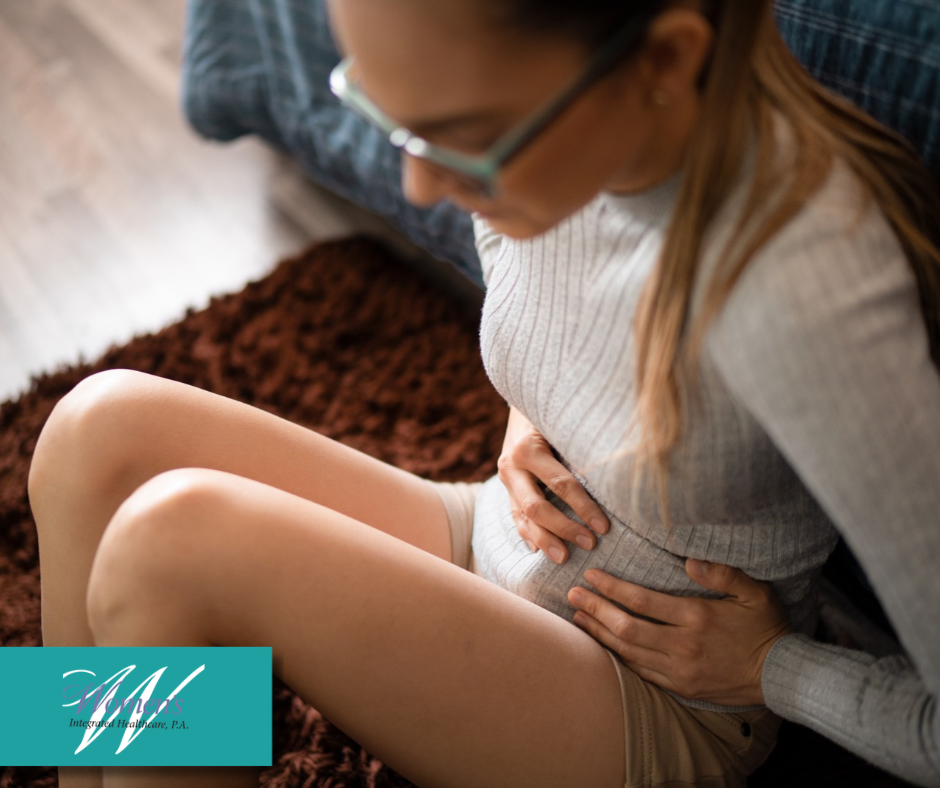
Consider someone who has felt bloated for several weeks. At first, she blames takeout, a busy schedule, or a new workout. Then the feeling keeps coming back. Her jeans fit differently by late afternoon, she gets full after a few bites of dinner, and a low ache in her pelvis has become part of her day. We hear women apologize for making an appointment over symptoms like these. They’ll say, “I probably just need to eat better,” or “I don’t want to make a big deal out of it.” We understand that instinct. We also don’t want you to sit with a persistent change in your body and try to talk yourself out of getting help. Bloating has plenty of everyday explanations Gas, constipation, food changes, menstrual shifts, and stress can all cause bloating. Pelvic discomfort can also come from common gynecologic conditions, including ovarian cysts, fibroids, endometriosis, or an infection. Most of the time, bloating and pelvic pain don’t point to cancer. The pattern makes the difference. The American Cancer Society lists bloating, pelvic or abdominal pain, trouble eating or feeling full quickly, and urinary urgency or frequency among symptoms that can occur with ovarian cancer. Benign conditions can cause those symptoms too. When they keep coming back, feel more intense, or seem different from your normal, we recommend an evaluation. [1] Notice what has changed for you One bloated afternoon doesn’t usually tell us much. A pattern can. Before you call, think about a few practical questions. How often does the discomfort show up? Does it come and go with your period, or does it stick around? Are you eating less because you feel full quickly? Have you noticed urinary urgency, constipation, back pain, pain during sex, or changes in your bleeding? We often suggest writing down your answers for a couple of weeks. Bring those notes with you. They can help us decide whether you need an exam, imaging, lab work, or another next step. No online checklist can do that job as well as a conversation that includes your full history. Ovarian cysts are one possible explanation Ovarian cysts are common and often harmless. Some never cause symptoms. Others can cause one-sided pelvic pain, pressure, bloating, or changes in your period. Our article on ovarian cyst symptoms and when to worry shares more about this common concern. A cyst is only one possibility, though. We don’t want you to decide on a cause from a search result, no matter how familiar the symptoms sound. Sometimes the answer is simple. Sometimes we need to look more closely. Either way, you deserve a clear explanation. When should you call your gynecologist? Call us when bloating, pelvic pain, or pressure keeps returning, shows up most days, interrupts your routine, or comes with feeling full quickly, urinary changes, unusual bleeding, or unplanned weight loss. The American Cancer Society recommends discussing symptoms that occur more than 12 times a month so a clinician can identify and treat the cause when needed. [1] Seek urgent care for sudden, severe pelvic or abdominal pain, especially when you also have fainting, fever, vomiting, or heavy bleeding. Several conditions can cause those symptoms, and some need prompt attention. You don’t have to wait for every answer before you call Worry tends to grow in the space between noticing a symptom and getting it checked. We can talk through what you’ve been feeling, examine you, and order appropriate testing when needed. Just as important, we’ll explain what we’re looking for and why. September is Gynecologic Cancer Awareness Month, but your symptoms don’t need a calendar month to deserve attention. You know what feels normal for your body. When that normal changes and doesn’t settle down, please call Women’s Integrated Healthcare in Southlake or Fort Worth. We’re here to help you sort through it. Clinical reference [1] American Cancer Society, “Signs and Symptoms of Ovarian Cancer”
Heavy Periods and Blood Clots: When It’s Time to Call Your Gynecologist
A situation we often see is someone who plans her entire week around her period without saying much about it. She keeps spare clothes in the car, looks for the restroom as soon as she walks into a restaurant, and worries about standing up after a long meeting. She may tell herself that heavy bleeding is just part of getting older, having kids, or pushing through a stressful month. At Women’s Integrated Healthcare, we hear that story more often than people realize. We also know how exhausting it can be to wonder whether your period is “bad enough” to mention. You don’t have to white-knuckle your way through every cycle. Heavy bleeding can make you miss work, cancel plans, lose sleep, and feel worn out before the day has even started. Blood clots can make the experience more unsettling, especially when they’re new or larger than usual. We want you to know that a gynecology visit can bring real answers and, often, real relief. What does a heavy period look like? Every period has its own rhythm. A heavier day or two can be normal for some people. We pay closer attention when bleeding starts to run your life or feels clearly different from your usual pattern. Talk with your gynecologist if you’re soaking through a pad or tampon every hour for several hours, changing protection during the night, bleeding for more than a week, or passing clots larger than a quarter. Heavy bleeding can also leave you tired, short of breath, or unable to do your normal activities. [1] The details matter. When you come in, we’ll ask about timing, pain, clots, how often you’re changing pads or tampons, and whether you’ve felt dizzy or unusually tired. If you can, jot those notes down before your visit. You don’t need a perfect record. A few honest details can help us see the pattern. Why has my period become heavier? Heavy periods have many possible causes. Hormone changes can play a part. So can fibroids, polyps, adenomyosis, thyroid conditions, certain medicines, bleeding disorders, pregnancy-related concerns, and some forms of birth control. [1] Fibroids are one common reason. These noncancerous growths can lead to heavier or longer bleeding for some women. If you’ve also noticed pelvic pressure, fullness, or more frequent urination, our article about uterine fibroids may help you make sense of those symptoms before your appointment. We still want to see you, because fibroids aren’t the only possible explanation. PCOS can affect bleeding patterns too. When ovulation doesn’t happen regularly, the uterine lining may build up longer than expected and then shed more heavily. A heavy period doesn’t automatically mean PCOS. Still, a changing cycle gives us a good reason to look closer. What about blood clots? Seeing a clot in the toilet or on a pad can feel alarming. Small clots may happen when menstrual blood collects before it leaves the uterus. Larger clots, frequent clots, or clots that come with flooding, severe pain, fatigue, or a major change in your cycle deserve a call to your gynecologist. [1] We’ve learned that many women wait longer than they need to because they worry about overreacting. Please don’t let that stop you. Call promptly if you soak through at least one pad or tampon an hour for more than two hours, bleed between periods, have bleeding after menopause, or feel lightheaded or unwell. [1] Finding the reason comes first Your visit may include a conversation about your cycle history, medications, birth control, pregnancy possibility, and family health history. We may recommend blood work, an ultrasound, or other testing based on your symptoms and stage of life. Your treatment plan will depend on what we find. Some women benefit from medication or a hormonal option. Others need care for fibroids, polyps, or another condition. If you’ve had an endometrial ablation and now have new or persistent bleeding, we’d like to hear from you. Our article on heavy bleeding after endometrial ablation explains why that symptom deserves attention, but a direct conversation with your provider comes next. We don’t want your period to take up more room in your life than it should. If heavy periods and blood clots are changing your routine, schedule a gynecology appointment with Women’s Integrated Healthcare in Southlake or Fort Worth. We’ll listen, ask the right questions, and help you move toward a plan that fits your life. Clinical reference [1] Mayo Clinic, “Heavy menstrual bleeding”