
Breast Changes That Are Normal, and the Ones Worth Calling About

A new lump, a change in texture, a spot of tenderness that wasn’t there last month. The instinct that follows is almost always the same: is this something to worry about? Most of the time, breast changes have a benign explanation. Some of the time, they’re worth a call. Here’s how to tell the difference. Cyclical changes are usually normal Breast tenderness, mild swelling, and lumpy texture that shift with your menstrual cycle are common and typically related to hormonal fluctuation, not a sign of a problem. Many women notice these changes most in the days before their period and see them ease up once it starts. [1] Breast tissue naturally varies in texture from person to person, and it can also change over time with age, pregnancy, breastfeeding, and menopause. Not every change reflects a new issue. Sometimes it reflects a normal shift in how your breast tissue is currently composed. What deserves a closer look A new lump that doesn’t go away after your cycle, especially one that feels distinct from the surrounding tissue, deserves an evaluation. So does skin dimpling, nipple discharge that isn’t related to breastfeeding, a nipple that suddenly turns inward, persistent pain in one specific spot, or noticeable changes in breast size or shape that developed over a relatively short period. [1] None of these symptoms automatically mean something serious. They do mean it’s worth having a professional take a look rather than deciding on your own that it’s nothing. Why we ask about timing When you come in with a breast concern, we’ll ask when you first noticed it, whether it changes with your cycle, whether it’s gotten larger or smaller, and whether you’ve noticed anything else alongside it, like skin changes or discharge. Those details help us figure out what’s actually going on and what kind of follow-up, if any, makes sense. Self-exams are a tool, not a diagnosis Getting familiar with how your breasts normally look and feel makes it easier to notice when something’s genuinely different. A self-exam isn’t a substitute for clinical screening or imaging, but it does help you show up to an appointment with useful, specific information instead of a vague sense that something feels off. When in doubt, don’t sit with it You don’t need to be certain something’s wrong before you call. If a change is nagging at you, that’s reason enough to get it checked. We’d rather examine something that turns out to be nothing than have you wait months wondering. If you’ve noticed a breast change that doesn’t fit the usual cyclical pattern, schedule an appointment with Women’s Integrated Healthcare in Southlake or Fort Worth. Clinical reference [1] American Cancer Society, “Breast Changes That Are Not Cancer”
Choosing Birth Control That Fits Your Life, Not Just Your Cycle
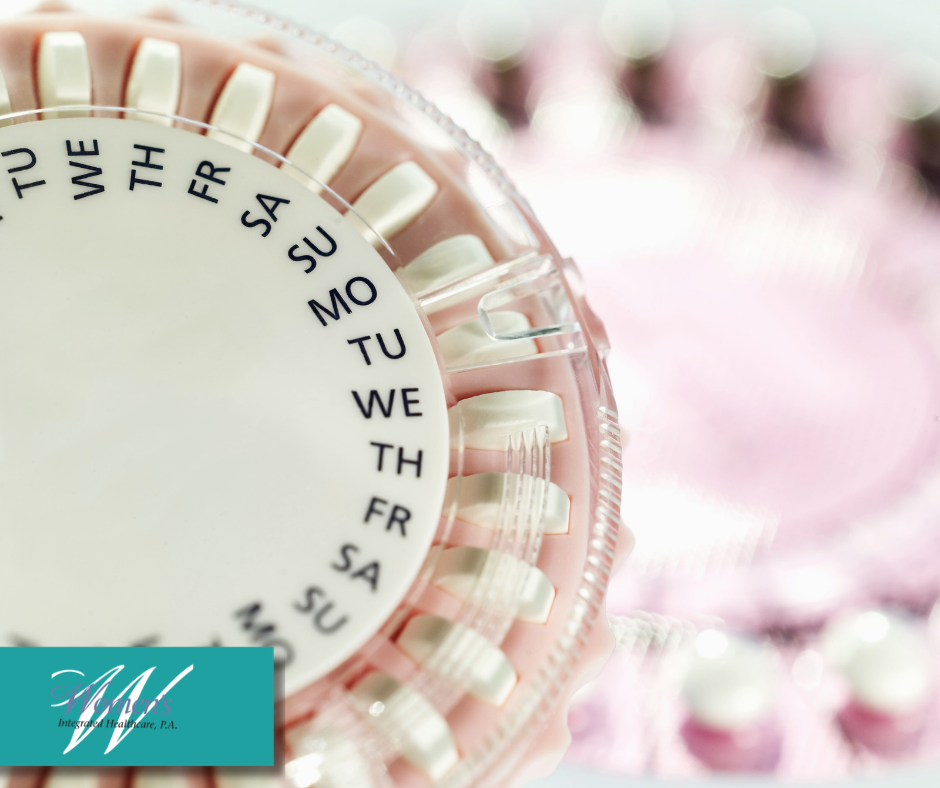
Most birth control conversations start and end with one question: does it prevent pregnancy effectively? That’s an important question. It’s also not the only one that matters. What actually goes into the right choice The most effective method on paper isn’t automatically the right method for you. A good birth control conversation accounts for your health history, your cycle symptoms, your daily routine, whether you tolerate hormones well, and what you’re hoping to manage beyond pregnancy prevention, whether that’s heavy periods, acne, or PCOS-related symptoms. [1] Some methods require a daily routine. Others are set-and-forget for years at a time. Some patients want a method they control entirely on their own schedule. Others prefer something that removes the daily decision altogether. None of these preferences are wrong, and a good consultation treats them as relevant information, not obstacles to a “correct” answer. Hormonal isn’t the only category Birth control conversations sometimes default to hormonal options without acknowledging non-hormonal choices, including copper IUDs and barrier methods. If you’ve had a difficult experience with hormonal birth control in the past, or simply prefer to avoid it, that’s a legitimate starting point for the conversation, not something to work around quietly. Your other health goals belong in this conversation too If you’re also managing heavy periods, painful cycles, or PCOS symptoms, some birth control methods can help with those issues directly while also preventing pregnancy. That’s worth discussing explicitly rather than treating contraception and symptom management as two separate conversations that happen to overlap. If heavy bleeding and clots or PCOS-related cycle changes are part of what you’re managing, mention that up front so we can look at both at once. Changing your mind is allowed A method that made sense five years ago might not fit your life now. Side effects that felt manageable in your twenties might not feel worth it anymore. If your current method isn’t working for you, whether physically or logistically, that’s a normal reason to revisit the conversation, not a sign you chose wrong the first time. A conversation, not a prescription We don’t hand out a birth control method based on a five-minute exchange. We want to understand what matters to you, what you’ve tried before, and what you’re hoping this choice will actually do for your life, not just your cycle. Ready to find a method that actually fits? Schedule a consultation with Women’s Integrated Healthcare in Southlake or Fort Worth. Clinical reference [1] American College of Obstetricians and Gynecologists, “Choosing a Birth Control Method”
Perimenopause Isn’t Just Hot Flashes: What Your Body Is Actually Telling You

Hot flashes get all the attention. They’re the symptom everyone jokes about, the one that shows up in every article about menopause, the one people expect to recognize immediately when it starts. Meanwhile, plenty of women spend a year or more feeling off in ways that have nothing to do with hot flashes at all, without anyone connecting the dots for them. Why perimenopause is broader than the stereotype Perimenopause is the transition leading up to menopause, and it can begin years before periods actually stop. During this stretch, hormone levels don’t decline in an orderly, predictable way. They fluctuate, sometimes dramatically, and that fluctuation can affect far more than your cycle. [1] Sleep disruption, mood changes, brain fog, joint aches, changes in libido, and new anxiety are all recognized symptoms of the perimenopausal transition, alongside the more familiar hot flashes and irregular periods. [1] Many women experience several of these at once without realizing they’re related. Why the connection often gets missed If your periods are still relatively regular, it’s easy to assume perimenopause isn’t yet part of the picture. Symptoms like disrupted sleep or new anxiety often get attributed to stress, aging, or simply a hard season of life. Sometimes that’s accurate. Sometimes it’s perimenopause going unrecognized. We’d rather ask the question directly than let a pattern go unexplained for another year. What we actually ask about When perimenopause is part of the conversation, we’ll ask about your cycle changes, sleep quality, mood, energy, and any new symptoms that have shown up in the past year or two. Family history matters as well, since the timing of a mother’s or sister’s transition can sometimes offer a useful reference point. We may also talk through options, from lifestyle adjustments to hormonal or non-hormonal treatments, depending on what your symptoms actually are and how much they’re affecting your daily life. You don’t have to wait until it’s “obviously” menopause Some women wait to bring this up until periods have stopped entirely, assuming that’s the point where it becomes a medical conversation. It doesn’t have to be. If your sleep, mood, or overall sense of yourself has shifted in ways that feel connected, that’s worth a conversation now, not a year from now. If perimenopause symptoms have been showing up without an explanation, schedule an appointment with Women’s Integrated Healthcare in Southlake or Fort Worth. We’ll help you understand what’s happening and talk through what might help. Clinical reference [1] Mayo Clinic, “Perimenopause”