Teen Gynecology Exams at Women's Integrated Healthcare, P.A.
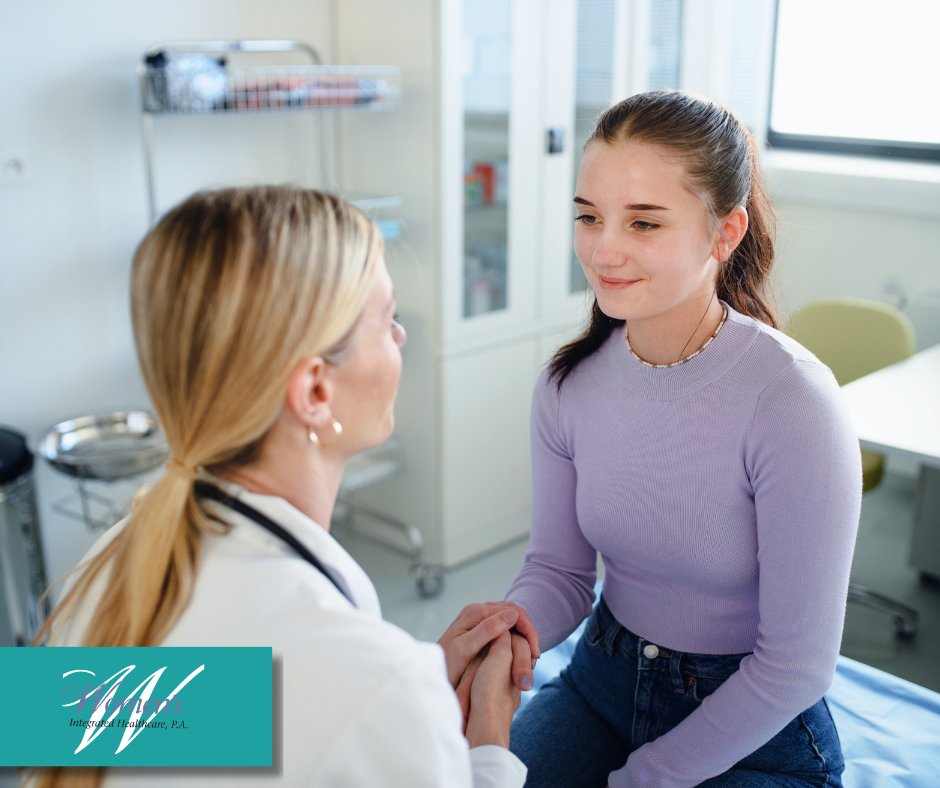
Sarah remembers feeling nervous when her mother told her it was time for her first gynecology appointment. She pictured stirrups, uncomfortable exams, and awkward questions. But when she actually sat down with the doctor, the visit was simply a conversation about her changing body, her menstrual cycle, and how to stay healthy. She left feeling informed and relieved. August is the season for back-to-school physicals, sports clearances, and immunization updates. It is also the perfect time to schedule another important health milestone. The American College of Obstetricians and Gynecologists recommends that young women have their first visit with a gynecologist between the ages of 13 and 15, regardless of whether they are sexually active. For many parents and teens, this recommendation brings up questions and anxiety. Understanding what actually happens during this initial appointment can help both of you feel more comfortable and prepared. What Happens During the First Visit? The most important goal of the first gynecology visit is education and establishing trust. Your daughter’s doctor wants to create a safe, confidential space where she feels comfortable asking questions about her health. In most cases, a pelvic exam is not required during the first visit. Instead, the appointment usually consists of a general physical exam. The doctor will check her height, weight, and blood pressure, and may also perform an external visual exam. The majority of the appointment will be spent talking. The doctor will ask about her medical history, family health history, and menstrual cycle. This is an excellent opportunity for your teen to ask questions about cramps, irregular periods, acne, or emotional changes. Topics Commonly Discussed A gynecologist is a specialist in female health, making them the perfect resource for a teenage girl navigating puberty. During the visit, the provider will likely cover several important areas. Menstrual health is one of the most common reasons teens benefit from this visit. Many young women experience irregular, heavy, or painful periods and assume that suffering through them is normal. The doctor can explain what is and is not typical, and offer solutions for managing severe cramps or unpredictable cycles. If your teen is experiencing period pain that regularly interferes with school or daily activities, the provider may discuss conditions like endometriosis, which often goes undiagnosed for years when symptoms are dismissed as ordinary cramps. The visit will also cover hygiene and body changes. Puberty brings many physical developments that can feel confusing or alarming. The provider can offer guidance on normal vaginal discharge, proper hygiene, and what to expect as her body continues to mature. The doctor will also discuss healthy lifestyle choices, including good nutrition, regular exercise, healthy sleep habits, mental health, and stress management. How to Prepare Your Daughter Communication is the best way to reduce anxiety before the appointment. Talk to your daughter about why this visit is important for her overall health. Explain that the doctor is there to help her understand her body, not to judge her or make her uncomfortable. Let her know that it is completely normal to feel nervous, and encourage her to write down any questions she wants to bring up. At Women’s Integrated Healthcare, our Fort Worth and Southlake GYN teams are specially trained in adolescent gynecology. We prioritize making young women feel safe, respected, and heard. As she grows, we will continue to provide comprehensive care, including her future well-woman exams. If it is time for your daughter’s first visit, schedule an appointment with Women’s Integrated Healthcare today. We welcome patients from Fort Worth, Southlake, and surrounding areas to begin a lifetime of personalized, woman-centered care.
Understanding Gestational Diabetes: Warning Signs, Diet, and Healthy Management
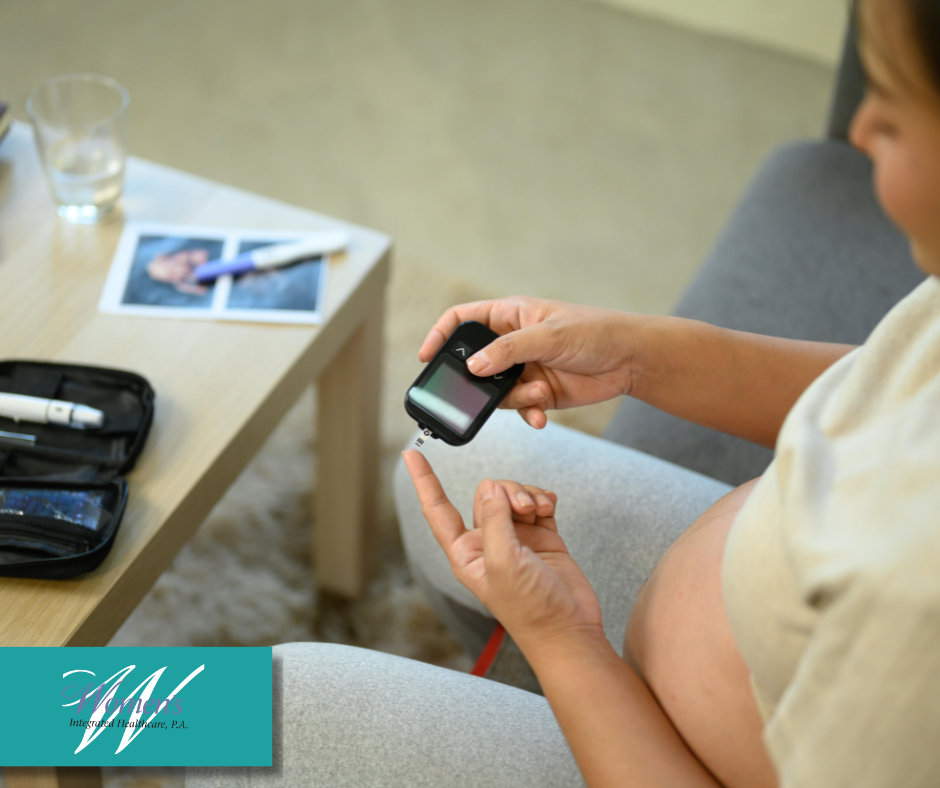
When Emily received the call from her obstetrician after her 24-week glucose test, her heart sank. She had been eating well, staying active, and gaining a healthy amount of weight. Hearing the words “gestational diabetes” made her feel like she had done something wrong. Her doctor quickly reassured her: this condition is common, manageable, and not her fault. Within a few weeks of adjusting her diet, her blood sugar levels were exactly where they needed to be. Gestational diabetes is a type of diabetes that develops during pregnancy in women who did not previously have the condition. According to the American College of Obstetricians and Gynecologists, it is one of the most common complications of pregnancy. While a diagnosis can feel overwhelming, understanding the condition and knowing how to manage it can help you maintain a healthy pregnancy and deliver a healthy baby. What Causes Gestational Diabetes? During pregnancy, the placenta produces hormones that help the baby grow. However, these hormones can also block the action of the mother’s insulin, a process known as insulin resistance. When this happens, the body needs to produce more insulin to keep blood sugar levels stable. If it cannot produce enough to overcome the resistance, blood sugar rises and gestational diabetes develops. Any pregnant woman can develop gestational diabetes, but certain factors increase the risk. These include being overweight before pregnancy, having a family history of type 2 diabetes, being older than 25, or having had gestational diabetes in a previous pregnancy. Women who have been diagnosed with Polycystic Ovary Syndrome (PCOS) are also at a higher risk, because PCOS is itself associated with insulin resistance. Warning Signs and Symptoms One of the most challenging aspects of gestational diabetes is that it often causes no noticeable symptoms. Most women feel completely normal, which is precisely why routine glucose screening between 24 and 28 weeks of pregnancy is so important. When symptoms do occur, they tend to be mild and easily confused with typical pregnancy complaints, including increased thirst, frequent urination, fatigue, and blurred vision. Because these signs are so subtle, you should never rely on symptoms alone to assess your blood sugar health. Managing Gestational Diabetes with Diet For many women, gestational diabetes can be controlled entirely through diet and lifestyle changes. A gestational diabetes diet focuses on balancing carbohydrates, proteins, and healthy fats to keep blood sugar levels stable throughout the day. Carbohydrates have the greatest impact on blood sugar, so monitoring your intake is essential. Rather than simple carbohydrates like white bread, sugary snacks, and soda, choose complex carbohydrates such as whole grains, legumes, and non-starchy vegetables. Eating small, frequent meals throughout the day helps prevent the spikes and dips in blood sugar that can be harmful during pregnancy. Pairing carbohydrates with a source of protein or healthy fat slows the absorption of sugar into your bloodstream. Your doctor may recommend working with a registered dietitian to build a meal plan tailored specifically to your needs and preferences. The Role of Exercise and Medical Care Regular physical activity is another powerful tool for managing gestational diabetes. Exercise helps the body use insulin more effectively, which directly lowers blood sugar levels. A daily 30-minute walk, prenatal yoga, or swimming can make a meaningful difference. Always check with your doctor before beginning a new exercise routine during pregnancy. In some cases, diet and exercise alone are not enough to keep blood sugar in a safe range. If this happens, your doctor may prescribe insulin or an oral medication. Taking medication does not mean you have failed. It simply means your body needs additional support to keep both you and your baby healthy throughout the pregnancy. At Women’s Integrated Healthcare, our experienced OB team provides comprehensive care for both routine and high-risk pregnancies, including the management of gestational diabetes. If you have questions or need to schedule your prenatal care, contact Women’s Integrated Healthcare in Southlake or Fort Worth today.
Ovarian Cysts: Common Symptoms and When You Should See a Doctor

Jessica felt a sharp, sudden twinge in her lower right abdomen while reaching for a box on the top shelf of her kitchen pantry. She brushed it off as a pulled muscle, but the dull ache lingered for days. When the pain began radiating to her lower back and her period arrived two weeks late, she finally called her gynecologist. An ultrasound revealed a common culprit: an ovarian cyst. Ovarian cysts are incredibly common. Most women will develop at least one during their reproductive years, and the vast majority are harmless, painless, and resolve on their own without any medical intervention. However, understanding the symptoms and knowing when to seek care is essential for protecting your pelvic health and catching the rare cases that do require attention. What Are Ovarian Cysts? Your ovaries are two small organs located on either side of your uterus. Every month during your menstrual cycle, a follicle grows on one ovary to release an egg. Sometimes the follicle does not release the egg, or it closes up after the egg is released and fills with fluid. This creates what is called a functional ovarian cyst, which is a normal byproduct of the menstrual cycle. Functional cysts are usually benign and resolve on their own within a few months. Other types of cysts, such as dermoid cysts or endometriomas, are less common and may require closer monitoring or treatment. Common Symptoms to Watch For According to the Mayo Clinic, most small ovarian cysts produce no symptoms at all. Many women discover they have one only during a routine pelvic exam or an ultrasound ordered for an unrelated reason. When symptoms do occur, they vary depending on the size and location of the cyst. The most common symptom is pelvic pain, which may feel like a dull, heavy ache or a sharp, sudden twinge on one side of the lower abdomen. The pain may come and go, or it may be constant. Other common symptoms include a feeling of fullness or pressure in the abdomen, bloating, and pain during intercourse. You might also notice changes in your menstrual cycle, such as irregular periods, unusually heavy bleeding, or spotting between periods. These hormonal fluctuations can sometimes contribute to other symptoms as well, including the period-related tension headaches that many women experience alongside cycle irregularities. When to Worry and Seek Immediate Care While most cysts are harmless, they can occasionally cause serious complications. A large cyst can cause the ovary to twist, a condition known as ovarian torsion, which cuts off the blood supply to the ovary and requires emergency surgery. A cyst can also rupture, causing sudden internal bleeding and severe pain. Seek immediate medical attention if you experience sudden, severe abdominal or pelvic pain, particularly if it is accompanied by fever, vomiting, or signs of shock such as cold and clammy skin, rapid breathing, or lightheadedness. These symptoms can indicate a ruptured cyst or ovarian torsion, both of which are medical emergencies that require prompt treatment. Diagnosis and Treatment Options If you suspect you have an ovarian cyst, your gynecologist can perform a pelvic exam and order a pelvic ultrasound. This imaging test allows your doctor to see the size, shape, and location of the cyst and determine the best course of action. Treatment depends on your age, the size of the cyst, and your symptoms. For small, asymptomatic cysts, your doctor may recommend watchful waiting with follow-up ultrasounds to monitor whether the cyst resolves on its own. If you develop cysts frequently, hormonal birth control can help prevent new ones from forming. Surgery may be necessary if a cyst is large, growing, causing significant pain, or appears suspicious on imaging. You do not have to live with unexplained pelvic pain. If you are experiencing symptoms of an ovarian cyst, schedule an appointment with the gynecology team at Women’s Integrated Healthcare in Southlake or Fort Worth.
Stop the Leaks: Modern Treatment Options for Female Urinary Incontinence

Maria stopped going to her favorite Saturday morning Zumba class. She started wearing dark pants exclusively and mapping out every public restroom before running errands. A simple sneeze or a hearty laugh had become a source of intense anxiety. Like millions of other women, Maria was silently managing urinary incontinence, convinced it was just an unavoidable part of getting older. It was not until her gynecologist asked a routine question at her annual visit that she learned how many effective options were available to her. Urinary incontinence, or the involuntary loss of bladder control, affects women of all ages. Whether it begins after childbirth, during perimenopause, or later in life, the impact on daily confidence and quality of life can be significant. The most important thing to understand is that incontinence is not something you simply have to accept. It is a medical condition with a wide range of effective, modern treatments. Understanding the Types of Incontinence Finding the right treatment starts with identifying what type of incontinence you are experiencing. The two most common types in women are stress incontinence and urge incontinence. Stress incontinence occurs when physical movement or activity places pressure on the bladder. If you leak urine when you cough, sneeze, laugh, lift something heavy, or exercise, stress incontinence is likely the cause. It is often the result of weakened pelvic floor muscles following pregnancy and childbirth. This condition is closely connected to broader pelvic floor health, and many women who experience leakage also deal with other pelvic floor symptoms such as pelvic pressure or discomfort. Urge incontinence, sometimes called overactive bladder, involves a sudden and intense urge to urinate followed by an involuntary loss of urine. Women with urge incontinence often feel the need to urinate very frequently, including throughout the night. This occurs when the bladder muscles contract at the wrong time. First-Line Conservative Treatments Treatment for urinary incontinence almost always begins with the least invasive options, and many women find significant relief without ever needing surgery or medication. Bladder training is one of the most effective first steps. This involves scheduling bathroom trips at set intervals and gradually increasing the time between them to help retrain the bladder. Dietary changes can also make a meaningful difference. Reducing intake of bladder irritants such as caffeine, alcohol, carbonated drinks, and spicy foods often decreases urgency symptoms noticeably. Pelvic floor muscle exercises, commonly known as Kegels, are highly effective for stress incontinence. These exercises strengthen the muscles that support the bladder, uterus, and bowels. Working with a pelvic floor physical therapist ensures you are performing the exercises correctly and targeting the right muscle groups, which makes a significant difference in outcomes. Medical and Surgical Interventions When conservative measures are not enough, additional options are available. According to the Mayo Clinic, prescription medications can help calm an overactive bladder and reduce the urgency and frequency associated with urge incontinence. For stress incontinence, your doctor might suggest a pessary, a small removable device inserted into the vagina to support the urethra and prevent leakage during activity. For more persistent stress incontinence, minimally invasive surgical options are highly effective. A mid-urethral sling procedure involves placing a small strip of synthetic mesh under the urethra to provide support and keep it closed when pressure is applied. It is one of the most commonly performed and successful surgical treatments for stress incontinence, with a strong track record of long-term relief. Reclaiming Your Confidence Living with urinary incontinence can feel isolating, but you are far from alone, and effective help is available. The first step toward reclaiming your confidence and your active lifestyle is an honest conversation with your gynecologist. At Women’s Integrated Healthcare, our team specializes in diagnosing and treating all types of urinary incontinence. We offer compassionate, individualized care designed to help you get back to the activities and moments that matter most. Stop letting your bladder dictate your schedule. Call Women’s Integrated Healthcare in Fort Worth or Southlake today to discuss your treatment options.
Summer Travel During Pregnancy: Safe Flying, Road Trips, and Vacation Planning

July is peak vacation season, and many expecting mothers plan trips to relax and celebrate before their baby arrives. Traveling during pregnancy can be completely safe and highly enjoyable, but a changing body requires a few extra layers of preparation. High summer temperatures, long periods of sitting, and varying access to healthcare at your destination mean that pregnancy travel safety should be a central part of your vacation checklist. With some thoughtful adjustments, you can navigate flights, road trips, and resort stays comfortably while protecting your health and your pregnancy. Finding the Best Window for Travel While travel is often possible throughout the majority of a low-risk pregnancy, the second trimester is generally considered the ideal window for vacations. Spanning from week 14 to week 28, this period typically brings relief from first-trimester morning sickness and intense fatigue, while your physical mobility remains high before the third trimester. ACOG notes that most commercial airlines allow pregnant passengers to fly up to 36 weeks of pregnancy if they have a low-risk gestation and no medical complications. However, every pregnancy is unique, and travel recommendations can change if you have blood pressure concerns, a history of preterm labor, or a multiple pregnancy. Reviewing your travel itinerary during a prenatal visit ensures that your plans align with your current care instructions. Guidelines for Safe and Comfortable Flights Air travel during a summer vacation requires specific habits to minimize discomfort and prevent complications. The combination of low cabin humidity and high summer temperatures outside can quickly cause dehydration, making it necessary to drink water steadily before, during, and after your flight. Long flights also increase the risk of deep vein thrombosis, which is a condition where blood clots form in the deep veins of the legs. Pregnancy naturally alters your blood circulation, making movement crucial when you are seated for hours. Choosing an aisle seat allows you to stand up and walk down the cabin aisle regularly without disturbing other passengers. Travel situation Pregnancy safety tip Why it matters Commercial flights Wear graduation compression socks and walk the cabin aisle every hour Promotes lower limb circulation and reduces the risk of blood clots Road trips and drives Stop every 90 minutes to stretch your legs and use the restroom Relieves pelvic pressure and prevents deep vein stagnation Vehicle seatbelt placement Position the lap belt low under your abdomen and flat across your hip bones Ensures the belt protects you properly without putting pressure on the baby Destination arrival Locate the nearest hospital with emergency obstetric care before checking in Provides immediate peace of mind and quick medical access if an urgent issue arises Navigating Summer Road Trips and Long Drives If your July plans involve a driving vacation or a weekend road trip, time management is your best asset. Sitting in a car for extended periods can cause fluid retention in your ankles and increase lower back strain. Plan your route with scheduled stops every hour and a half so you can exit the vehicle, stretch your calf muscles, and use the restroom. Vehicle safety requires strict attention to how you wear your seatbelt. The lap portion of the belt should never rest across your stomach or abdomen. Instead, secure it snugly underneath your belly, resting flat against your hip bones. The shoulder harness should position comfortably between your breasts and to the side of your abdominal curve. Never disable or alter airbags, as automated safety features are critical for protecting both mother and baby during an unexpected stop. Destination Planning and Medical Preparation Before you pack your bags, take time to evaluate the medical resources available at your vacation destination. If you are traveling internationally or visiting a remote domestic location, verify that a medical facility with dedicated obstetric care is accessible within a reasonable driving distance. It is also highly recommended to carry a paper copy or a secure digital download of your prenatal records, especially if you are entering your third trimester. If you require emergency care while away from home, having your lab results, ultrasound reports, and blood type on hand allows local physicians to assist you safely and accurately. When to Call Women’s Integrated Healthcare Contact your ObGyn immediately if you experience warning signs during your trip, such as vaginal bleeding, leaking fluid, regular uterine cramping or contractions, severe abdominal pain, a sudden swelling of your face or hands, a persistent headache, or a noticeable decrease in your baby’s movement. You should also reach out if you develop symptoms of an infection, including a fever or severe vomiting that prevents you from keeping fluids down. Pregnancy does not mean you have to skip summer traditions, but it does mean you must listen to your body and pace your activities. Planning ahead preserves your energy and ensures a safe, relaxing summer getaway. If you are planning an upcoming summer trip and want to review your travel safety plan, schedule an appointment with Women’s Integrated Healthcare in Southlake or Fort Worth. References
Menopause and Summer Heat: Practical Tips for Managing Hot Flashes

A North Texas July brings intense outdoor temperatures, but for women navigating perimenopause or menopause, the summer heat can feel twice as severe. If you find yourself sweating through your clothing in an air-conditioned room or waking up drenched in the middle of the night, you are experiencing the dual effect of summer weather and menopausal hot flashes. The radical fluctuations in estrogen levels during the menopausal transition directly affect the hypothalamus, which is the part of the brain that regulates your internal thermostat. This hormonal shift causes your body to misread minor changes in temperature, triggering sudden, intense flashes of heat, flushing, and sweating. Understanding how environmental factors interact with your changing hormones is essential for managing hot flashes in summer and reclaiming your daily comfort. Why Summer Intensifies Menopause Symptoms When outdoor temperatures soar, your body’s natural cooling mechanisms are already working harder to keep you comfortable. For menopausal patients, a small rise in environmental heat can push the body past its narrowing “comfort zone,” immediately triggering a full-scale hot flash. Additionally, summer dehydration can make hot flashes feel more intense and can cause rapid heart rates or feelings of dizziness during an episode. Staying consistently hydrated is a foundational requirement, as adequate fluid intake helps your body cool down more efficiently through sweating and stabilizes your internal temperature regulation. Summer situation or trigger Hot flash management tip Strategic benefit High outdoor temperatures Move walks or outdoor chores to early morning and carry a portable fan Prevents a rapid spike in ambient heat from triggering an intense internal flash Disruptive night sweats Layer bed with cotton or moisture-wicking sheets and set air to 65-68 degrees Minimizes nighttime awakenings and improves overall sleep architecture Hot summer dining Choose iced beverages and avoid spicy grilled meats or heavy afternoon meals Reduces internal vascular dilation that can provoke a hot flash after eating Warm clothing layers Select loose clothing made from breathable natural fibers like cotton and linen Allows air to circulate and prevents sweat from trapping heat against your skin Daytime Strategies for Staying Cool and Collected Managing your symptoms during the day requires proactive adjustments to your routine and wardrobe. Synthetic fabrics like polyester can trap moisture and heat against your skin, making natural, breathable fibers like cotton, linen, or bamboo the better choice for summer clothing. Dressing in removable layers ensures that you can adapt quickly when a hot flash begins. Dietary habits also play a large role in hot flash frequency. While an iced coffee or a summer cocktail might sound refreshing, caffeine and alcohol are classic triggers that dilate blood vessels and can cause immediate flushing. Opt for cold, crisp alternatives like cucumber-infused water or herbal iced teas. If you plan to attend an outdoor event or run errands during the afternoon, carry a handheld battery-operated fan and cold water so you can cool down instantly if you feel a surge of heat. Reclaiming Sleep from Disruptive Night Sweats Night sweats can turn summer sleep into a frustrating cycle of waking up cold, changing sheets, and struggling to fall back asleep. Chronic sleep disruption does more than cause daytime fatigue; it can amplify mood swings, increase stress hormones, and worsen memory fog. To create a sleep environment that combats night sweats, prioritize air conditioning management by keeping your bedroom temperature between 65 and 68 degrees. Replace heavy comforters with lightweight, layerable blankets, and invest in moisture-wicking pillows or sheets. Avoid exercising or eating heavy meals within three hours of bedtime, as both activities increase your metabolic rate and raise your core body temperature before sleep. Exploring Modern Medical and Personal Treatment Options When lifestyle adjustments are not enough to provide relief, it is time to discuss medical treatment options with your provider. You do not have to simply endure severe symptoms. Hormone Replacement Therapy remains the most effective option for relieving hot flashes and night sweats for many patients, while also protecting bone density and supporting vaginal health. For women who cannot take hormones due to a history of certain cancers or blood clots, or for those who simply prefer a different route, innovative non-hormonal prescription medications are available. These targeted treatments work directly on the brain’s temperature-control center to reduce hot flash frequency and severity significantly. Partnering with Women’s Integrated Healthcare Schedule a dedicated consultation if your hot flashes are interfering with your sleep, impacting your work productivity, causing intense anxiety, or lowering your overall quality of life. Your care team can perform a thorough evaluation, review your medical history, and help you select a safe, highly personalized path through the menopause transition. Menopause is a natural transition, but suffering through a hot summer is completely optional. With the right medical support and lifestyle strategy, you can stay cool, comfortable, and confident through every season. If you are experiencing perimenopause or menopause symptoms and want to explore personalized treatment options, schedule an appointment with Women’s Integrated Healthcare in Southlake or Fort Worth. References
Understanding Uterine Fibroids: Signs, Diagnosis, and Modern Treatment Options

Many women live with heavy periods, constant bloating, or a recurring feeling of fullness in their lower abdomen, assuming these changes are just standard menstrual complaints. Often, however, these disruptive signs point to a highly common condition: uterine fibroids. Fibroids are non-cancerous muscular growths that develop within or on the walls of the uterus. They can vary dramatically in size, ranging from tiny, microscopic seedlings to large, bulky masses that can physically expand and distort the shape of the womb. Recognizing uterine fibroids symptoms early allows you to explore an array of modern management options before your comfort and quality of life are severely impacted. Identifying the Common Signs of Uterine Fibroids While some women have small fibroids that cause zero discomfort, larger or multiple growths can introduce a variety of symptoms. The location of the fibroid often dictates what kind of issues you experience. For instance, fibroids that grow just beneath the inner uterine lining frequently cause severe menstrual bleeding, while those growing on the outside of the uterus are more likely to press against adjacent organs. Heavy menstrual bleeding is the hallmark sign for many patients. This can manifest as periods that last longer than seven days, a need to change sanitary products frequently during the day, or passing large blood clots. Over time, chronic heavy bleeding can lead to anemia, leaving you feeling exhausted, weak, or short of breath. Fibroid symptom What it typically feels like Why it happens textually Heavy menstrual bleeding Soaking through tampons or pads quickly, or cycles lasting longer than a week Fibroids alter the uterine lining and change blood flow to the uterus Pelvic pressure or fullness A constant sensation of bloating, heaviness, or distension in the lower belly The physical size and mass of the fibroids expand the uterine walls Urinary frequency or urgency Needing to empty your bladder constantly, or difficulty urinating completely Fibroids on the front of the uterus press directly against the bladder Lower back or pelvic pain A dull, aching pain in the lumbar region or deep within the pelvis Large growths can compress surrounding nerves and pelvic musculature How Fibroids are Evaluated and Diagnosed If you are experiencing symptoms, your evaluation will typically begin with a detailed discussion of your menstrual history followed by a routine pelvic exam. During an exam, your provider may feel an irregularity in the shape or size of your uterus if the fibroids are sufficiently large. To confirm a diagnosis and determine the exact number, size, and location of the growths, a pelvic ultrasound is the primary diagnostic tool. This painless, non-invasive imaging test provides a clear view of your uterine structure. In more complex cases, such as when planning for specialized surgery or evaluating multiple large masses, an MRI may be recommended to provide a highly detailed map of your pelvic anatomy. A Modern Approach to Fibroid Treatment Receiving a diagnosis of uterine fibroids does not automatically mean you need major surgery. Today, treatment is highly individualized, taking into account your specific symptoms, the size of the fibroids, your age, and whether you desire future pregnancies. Medical management is often the first line of defense for controlling heavy bleeding and pain. Hormonal options, such as low-dose combination birth control pills, progestin-only options, or a hormonal IUD, can significantly lighten your menstrual flow. Other prescription medications can temporarily shrink the size of fibroids by lowering estrogen production, which can be useful before a planned procedure. Minimally Invasive and Surgical Solutions When medications do not provide enough relief, several procedural and surgical options can address the root cause: Reclaiming Your Comfort and Health You do not have to plan your schedule, your wardrobe, or your activities around heavy periods and pelvic pressure. If you are experiencing structural symptoms that interfere with your daily life, reach out for an expert evaluation. Your provider can guide you through each option, answer your questions, and design a treatment plan that helps you feel like yourself again. If you are concerned about uterine fibroids or want to discuss treatment options for heavy bleeding, schedule an appointment with Women’s Integrated Healthcare in Southlake or Fort Worth. References
What Does an Abnormal Pap Smear Mean? Next Steps and Understanding Colposcopy
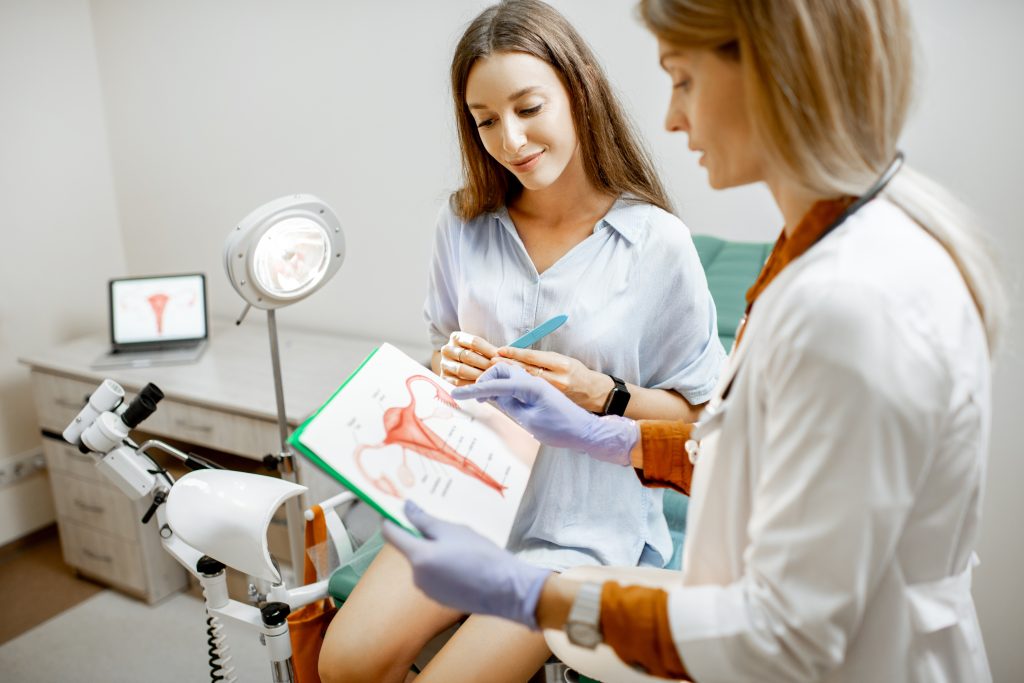
Receiving a call or a patient portal message stating that your recent Pap smear was abnormal can cause an immediate wave of anxiety. It is completely natural to worry, but the most important thing to know right away is that an abnormal cervical screening result rarely means you have cancer. Instead, it typically indicates that mild cellular changes have been detected on your cervix. These changes require careful follow-up monitoring or further diagnostic testing to ensure they do not develop into something more serious over time. Understanding your result and knowing what abnormal pap smear next steps include can help you approach your follow-up care with clarity and confidence. What Causes an Abnormal Pap Smear Result? A Pap smear is a screening tool designed to collect a small sample of cells from the surface of your cervix so they can be examined under a microscope. The most common driver of an abnormal result is the Human Papillomavirus, which is a highly common virus passed through sexual contact. Most adults will contract HPV at some point in their lives, and the immune system often clears the virus on its own without you ever knowing it was present. However, in some cases, certain strains of the virus persist and cause temporary changes in the cervical cells. Other non-viral factors can also cause a mildly abnormal result, including localized cervical inflammation, recent sexual intercourse before the test, or a vaginal infection like yeast or bacterial vaginosis. Deciphering the Terminology of Cervical Screenings When you review your lab report, you will see specific medical abbreviations that describe the nature of the atypical cells. Knowing what these terms mean can make the discussion with your provider much easier. Cervical screening result What the lab finding indicates Typical medical recommendation ASC-US Mildly atypical cells with an unclear underlying cause An HPV test is performed; if negative, you repeat screening in a year. If positive, a colposcopy may be needed Positive HPV Test The presence of the virus is detected, regardless of current cell changes Dependent on your age and prior screening history; often monitored or evaluated with a colposcopy LSIL or HSIL Low-grade or high-grade cellular changes are present on the cervical surface A colposcopy is typically scheduled promptly to examine the cervical tissue closely The Next Step: What is a Colposcopy? If your screening result indicates a more prominent change or a persistent HPV infection, your provider will likely recommend a colposcopy. A colposcopy is a simple, highly effective in-office procedure that allows your doctor to look closely at your cervix using a specialized magnifying instrument called a colposcope. The instrument remains outside your body throughout the brief visit. During the procedure, you will position on the exam table just as you do for a routine Pap smear. Your provider will insert a speculum and apply a mild vinegar solution to your cervix using a cotton swab. This solution highlights any atypical cells, causing them to appear white under the colposcope light. If unusual areas are identified, your provider will take a tiny tissue sample, which is called a biopsy. This sample is sent to a laboratory for definitive analysis. How to Prepare Before Your Colposcopy Appointment Preparing for a colposcopy requires minimal effort, but a few guidelines can support an accurate result. Try to schedule the procedure for a week when you do not expect to have your menstrual period, as heavy bleeding can obscure the view of the cervical tissue. For 24 to 48 hours before your appointment, do not engage in vaginal intercourse, and avoid using tampons, vaginal creams, douching products, or vaginal medications. If a biopsy is performed, you may feel a brief pinch or mild cramping. Taking an over-the-counter pain reliever like acetaminophen shortly before you arrive can help minimize any post-procedure discomfort. Trusting Your Care Team for Personalized Follow-Up The ultimate goal of cervical screening is early detection. Because cervical cell changes develop very slowly over many years, staying current with your recommended follow-up appointments is the most effective way to prevent cervical complications entirely. Once your biopsy results return from the lab, your provider will discuss whether you simply need a repeat Pap test in a year or whether a minor procedure is appropriate to remove the atypical cells. Your gynecologic care should always feel like a collaborative partnership. Bring your questions and your concerns to your care team, and let them guide you safely through your screening results. If you have received an abnormal cervical screening result or need to schedule a follow-up colposcopy, schedule an appointment with Women’s Integrated Healthcare in Southlake or Fort Worth. References
Heavy Bleeding After Endometrial Ablation: What Is Normal and When to Call
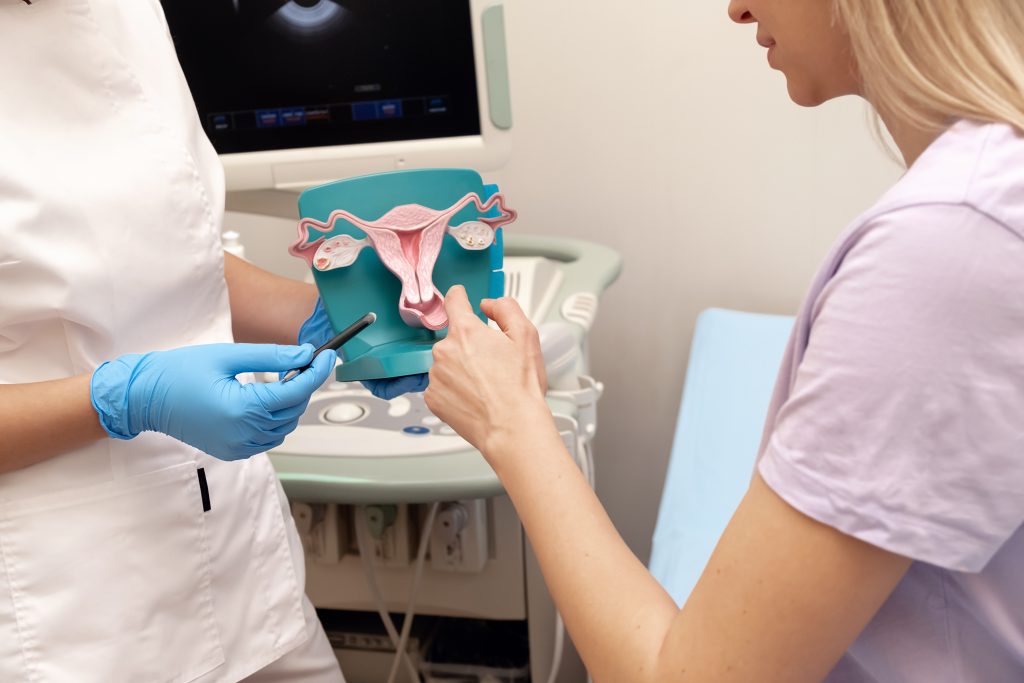
Endometrial ablation can be a helpful treatment option for some patients with heavy menstrual bleeding, but it is normal to have questions about recovery. If you are searching heavy bleeding after endometrial ablation, you may be wondering whether your symptoms are expected or whether you should call your ObGyn. The safest answer is simple: if bleeding feels heavy, worsening, unusual for you, or concerning, call your provider. General recovery guidelines can help you understand what is common, but your medical history and procedure details matter. What Endometrial Ablation Is Designed to Do Endometrial ablation is a procedure that uses heat, cold, or other forms of energy to destroy the lining of the uterus so periods become lighter. Cleveland Clinic explains that after endometrial ablation, some patients have no bleeding, some have less bleeding, and some do not notice a change in menstrual bleeding. This procedure is not appropriate for everyone. It is typically considered for heavy menstrual bleeding when medication has not helped, and it is intended for patients who are sure they do not want future pregnancy. Cleveland Clinic also notes that pregnancy after ablation is unlikely but possible and can carry risks, so patients should use birth control until menopause. What Bleeding May Be Normal After Ablation? Short-term recovery can include cramping and discharge. Cleveland Clinic states that after endometrial ablation, patients may have period-like cramps for one to three days and light bleeding or pink watery discharge for a few weeks, usually heaviest 48 to 72 hours after the procedure. Symptom after ablation Often expected? What to do Mild to moderate cramping for one to three days Can be common Follow your aftercare instructions and call if pain is severe or worsening Light bleeding or pink watery discharge for a few weeks Can be common Use the products recommended by your provider and monitor changes Discharge that is heaviest 48 to 72 hours after the procedure Can be common Call if bleeding is heavy, persistent, or concerning Heavy bleeding, fever, severe pain, or foul-smelling discharge Needs medical guidance Contact your ObGyn promptly Your provider may give you more specific instructions based on the type of ablation performed, your bleeding history, and any other conditions such as fibroids, polyps, or anemia. When Heavy Bleeding Needs a Call Heavy bleeding should not be ignored. Cleveland Clinic lists heavy bleeding as a possible risk of endometrial ablation, along with infection and other complications. You should call your provider if you are soaking through pads quickly, passing large clots, feeling dizzy or weak, developing fever, having worsening pelvic pain, or noticing discharge with a foul odor. If symptoms feel severe or you are worried about significant blood loss, seek urgent medical care. Waiting can make it harder to treat complications early. What If Heavy Periods Come Back Months Later? Some patients notice lighter periods for months or years, then bleeding changes again. Others may not get the level of relief they expected. That does not always mean something dangerous is happening, but it does mean you should be evaluated. Bleeding can have many causes, including hormonal changes, fibroids, polyps, adenomyosis, infection, medication effects, or other uterine concerns. A follow-up visit may include a pelvic exam, ultrasound, lab work, or discussion of additional treatment options. Your provider may also review whether you need anemia testing if bleeding has been heavy or prolonged. Important Pregnancy Considerations Endometrial ablation is not a form of birth control. Cleveland Clinic notes that pregnancy can still happen after ablation, and if it does, risks can include miscarriage and other complications. If you have had an ablation and think you may be pregnant, call your ObGyn right away. This is also why pregnancy goals should be discussed before the procedure. If you are still considering future pregnancy, endometrial ablation is usually not the right option. How to Prepare for Your Appointment If you are calling about bleeding after ablation, try to note when the bleeding started, how often you are changing pads, whether you are passing clots, whether you have fever or pain, and whether you feel dizzy, short of breath, or unusually tired. This information helps your care team decide how urgently you should be seen. You do not need to decide on your own whether symptoms are serious enough. If bleeding after ablation concerns you, that is enough reason to contact your provider. If you are experiencing heavy bleeding after endometrial ablation or want to discuss treatment options for heavy periods, schedule an appointment with Women’s Integrated Healthcare in Southlake or Fort Worth. References [3] Cleveland Clinic, Endometrial Ablation
Preparing for Your Well-Woman Exam: What to Ask and What to Expect
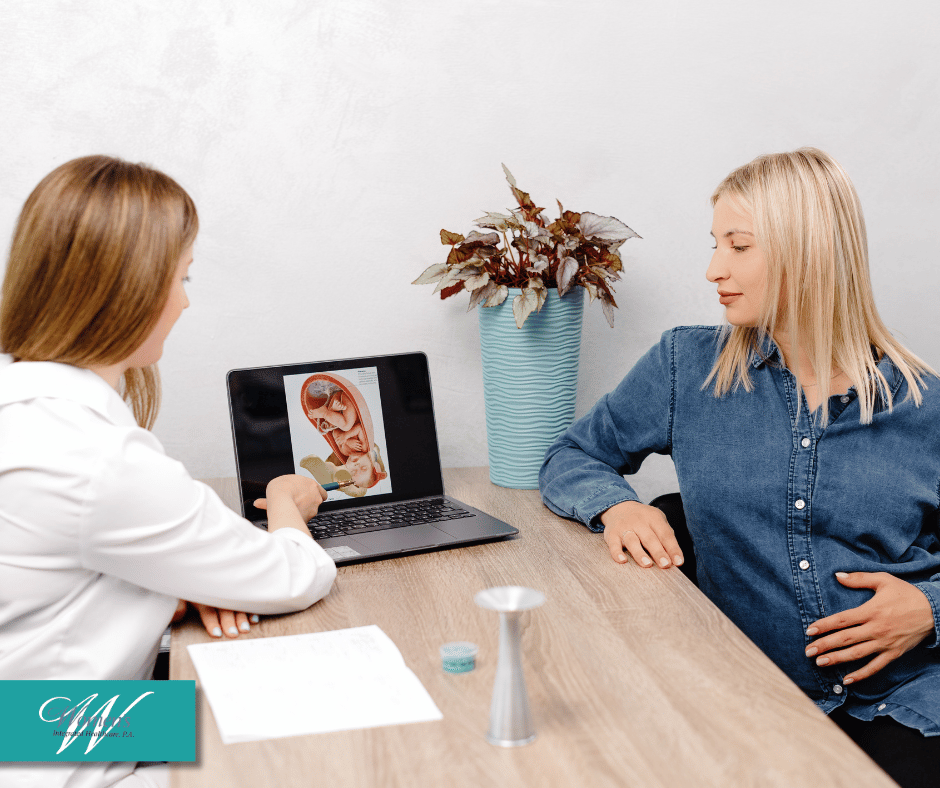
A well-woman exam is not just a quick appointment for a Pap test. It is a chance to talk about your health, ask questions you may not know where else to ask, review preventive screenings, and make a plan for the next stage of life. If you are searching well woman exam what to expect, the most important thing to know is that the visit should be personalized to your age, symptoms, medical history, and goals. ACOG explains that routine ObGyn visits involve much more than a Pap test, pelvic exam, or breast exam, and those exams may not be needed at every checkup. ACOG also states that a well-woman visit is an opportunity to counsel patients about maintaining a healthy lifestyle and minimizing health risks. What Happens During a Well-Woman Visit? Your visit often starts with conversation. Your provider may ask about your periods, symptoms, medications, allergies, surgeries, family history, sexual health, birth control, pregnancy goals, mental health, lifestyle, and safety. ACOG notes that a comprehensive history is one of the most important parts of the visit because it helps determine which exams or screenings are appropriate. Depending on your age, health history, and concerns, your visit may include a blood pressure check, breast exam, pelvic exam, cervical cancer screening, STI testing, contraception counseling, menopause counseling, vaccine discussion, or referrals for other preventive care. ACOG emphasizes that pelvic and breast exams should be performed when indicated by medical history or symptoms rather than automatically at every visit. Part of the visit What it may include Why it matters Health history Periods, symptoms, medications, family history, past conditions Helps your provider identify risks and choose appropriate care Preventive screening Cervical cancer screening, STI testing, blood pressure, breast health discussion Supports early detection and prevention Reproductive planning Birth control, fertility goals, pregnancy planning Aligns care with your current and future plans Life-stage care Teen concerns, postpartum recovery, perimenopause, menopause, sexual health Makes the visit relevant to your stage of life Mental health and safety Stress, anxiety, depression, home safety, support systems Recognizes that whole-person health affects gynecologic health How to Prepare Before Your Appointment A little preparation can make your visit more productive. Write down the first day of your last period, how long your periods usually last, whether bleeding or cramping has changed, and any symptoms that feel new or frustrating. Bring a list of medications and supplements, including doses if you know them. If you have had recent imaging, labs, or care from another provider, bring that information or ask for records to be sent ahead of time. You should also think about your goals. Are you trying to prevent pregnancy, plan for pregnancy, manage heavy periods, understand menopause symptoms, address pain with sex, or simply stay current with preventive care? Your provider can help, but the conversation is easier when you know what you want to cover. Questions Worth Asking There is no wrong question at a well-woman visit. If it affects your body, mood, periods, sexual health, pregnancy plans, or quality of life, it is appropriate to ask. If you are wondering about Consider asking Period changes Is my bleeding pattern normal for my age and history? Preventive care Am I due for a Pap test, HPV test, mammogram, STI testing, or vaccines? Birth control What options fit my health history and lifestyle? Pregnancy planning What should I do before trying to conceive? Perimenopause or menopause Are my symptoms expected, and what treatment options are available? Pain or discomfort What could be causing pelvic pain, pain with sex, or vaginal symptoms? Family history Does my family history change my screening recommendations? Why You Should Not Wait for Symptoms Some patients only schedule gynecology care when something feels wrong. That is understandable, especially when life is busy, but preventive visits can identify risks, update screenings, and give you time to ask questions before symptoms become disruptive. ACOG recommends periodic well-woman visits for reproductive, perimenopausal, and postmenopausal patients. Preventive care is also an opportunity to build a relationship with your provider. When a concern comes up later, it is easier to call a team that already knows your history. When to Schedule Sooner Do not wait for your next routine visit if you have heavy bleeding, bleeding after menopause, pelvic pain, severe cramps, unusual discharge, breast changes, missed periods, painful sex, pregnancy concerns, or symptoms that interfere with daily life. A well-woman visit is preventive, but problem-focused appointments are available when something needs attention now. Your ObGyn visit should feel like a conversation, not a test you have to pass. The goal is to understand what is happening in your body and create a plan that supports your health. If you are due for preventive care or have questions about your gynecologic health, schedule a well-woman appointment with Women’s Integrated Healthcare in Southlake or Fort Worth. References [2] ACOG, What Happens at an Ob-Gyn Checkup and Why? One Doctor Explains [2] ACOG Committee Opinion No. 755, Well-Woman Visit