Flu Shot During Pregnancy: What to Know Before Flu Season Starts

Consider someone who is 22 weeks pregnant and standing in line at the pharmacy in early September. She sees the sign for flu shots and pauses. Her first thought is simple: “Should I wait until I ask my OB/GYN?” Her second thought comes faster: “Could this hurt the baby?” At fall prenatal visits, we hear versions of those questions every year. Pregnancy can make each health decision feel bigger, especially when online advice points in ten different directions. We’re glad when patients ask. A quick conversation can replace a lot of second-guessing. The CDC recommends a flu shot during any trimester of pregnancy. September and October are generally good months to get vaccinated, which is why this question comes up so often as fall begins. [1] Why flu prevention matters during pregnancy During pregnancy, your immune system, heart, and lungs work differently. Flu can lead to more serious illness, including illness that requires hospitalization. A flu shot also helps protect your baby after birth through antibodies passed during pregnancy. [1] We don’t say that to make you anxious every time someone nearby sneezes. We say it because planning ahead feels a lot easier than trying to make decisions while you’re sick. Can I get a flu shot in the first trimester? Yes. CDC guidance says the influenza vaccine can be given during any trimester of pregnancy. [1] You don’t need to delay vaccination simply because you’re early in pregnancy. If you’ve had a severe reaction to a vaccine or have questions about a particular health condition, bring those up with your provider before you get the shot. One detail matters: pregnant patients should get the flu shot, not the nasal spray flu vaccine. The nasal spray uses a live, weakened virus and isn’t recommended during pregnancy. [1] What side effects might I notice? Most people have mild, short-lived side effects after a flu shot. Your arm may feel sore. You may feel tired or achy, or run a low fever for a day or two. Those symptoms can be uncomfortable, but they don’t mean you caught the flu from the vaccine. [1] If you’re unsure what over-the-counter medicine is appropriate for a fever, aches, or another symptom during pregnancy, call your OB/GYN before taking something new. Our medication safety in pregnancy guide can help you prepare questions for that conversation. What if I already feel sick? A flu shot helps prevent flu. It doesn’t treat an active illness. Call your healthcare provider if you’re pregnant and develop flu-like symptoms such as fever, chills, body aches, a cough, sore throat, or sudden fatigue. Your provider can guide you on next steps and whether treatment may be appropriate. We’d rather hear from you early than have you spend a miserable weekend wondering whether you should call. Pregnancy deserves a little more caution when you’re ill. Bring the question to your fall prenatal visit You already have enough to think about during pregnancy. Add this to your next appointment list: “Where should I get my flu shot, and do I have any reason to wait?” We’re happy to talk through timing, allergies, and any concerns you’ve heard from friends or online. A flu shot is one small step that can help protect you during pregnancy and help protect your baby in the first months after birth. Ask your Women’s Integrated Healthcare provider about flu vaccination at your next prenatal visit. We’re here to help you feel prepared, not pressured. Clinical reference [1] Centers for Disease Control and Prevention, “Flu Vaccine Safety and Pregnancy”
Teen Gynecology: Tips from Women's Integrated Healthcare, P.A.

We often meet women who’ve spent years collecting separate explanations for separate problems. Irregular periods. Feeling tired after meals. Weight that changes more easily than it used to. Maybe acne, unwanted hair growth, or trouble getting pregnant. Each symptom feels like its own frustrating issue until someone finally connects the dots. We hear this frustration all the time: “Why didn’t anyone explain how these things could be related?” PCOS can affect more than periods and fertility. For many women, insulin resistance belongs in the picture too. What does insulin resistance mean? Insulin helps move sugar from your bloodstream into your cells, where your body uses it for energy. With insulin resistance, your body still makes insulin, but your cells don’t respond as well as they should. Your body may then make more insulin to keep up. [1] Higher insulin levels can affect hormones involved in ovulation. That can contribute to irregular or missed periods, acne, excess hair growth, and difficulty becoming pregnant. PCOS looks different from person to person, so one symptom alone can’t confirm a diagnosis. Our article on why PCOS can be hard to diagnose explains why we look at the whole pattern. Why your blood sugar belongs in the conversation The Centers for Disease Control and Prevention notes that women with PCOS often have insulin resistance and face a higher risk of type 2 diabetes. More than half of women with PCOS develop type 2 diabetes by age 40. [1] That number can feel heavy. We don’t share it to scare you. We share it because you deserve a chance to ask better questions and take care of concerns early. When you visit us, we may ask about your periods, family history, weight changes, blood pressure, cholesterol, sleep, mood, and plans for pregnancy. We may also recommend blood-sugar testing. The right plan depends on your health history and what matters most to you right now. You don’t need every classic symptom Many women think they need a long list of symptoms before they bring up PCOS. You don’t. A period that comes every few months, new facial hair, stubborn acne, darker skin in body creases, weight changes, or difficulty getting pregnant all belong in the conversation. [1] You may already have a PCOS diagnosis and still feel unsure about what comes next. That’s common. We don’t expect you to follow a perfect diet, blame yourself for a symptom, or figure this out from social media. We’ll help you sort through the pieces that apply to you and discuss realistic next steps. Pregnancy planning adds another reason to check in If pregnancy is part of your plan, tell us early. PCOS can affect ovulation, and insulin resistance can raise the risk of gestational diabetes during pregnancy. [1] A higher risk doesn’t mean a diagnosis is guaranteed. It means we can watch your health closely and plan ahead together. Our guide to gestational diabetes symptoms and diet offers more information for patients who are pregnant or have recently received that diagnosis. If you’re thinking about trying to conceive, a preconception visit gives us time to talk through your medications, cycle history, and any testing that may help. We want to give you more than a vague answer “Just lose weight” or “come back when you want a baby” doesn’t give you a useful plan. PCOS deserves thoughtful medical care at every stage of life, whether your main concern is regular periods, skin changes, fertility, or long-term health. If your periods are irregular, you’ve noticed signs that may be related to insulin resistance, or you want help managing PCOS before pregnancy, schedule an appointment with Women’s Integrated Healthcare in Southlake or Fort Worth. We’ll start with a clear conversation and go from there. Clinical reference [1] Centers for Disease Control and Prevention, “Diabetes and Polycystic Ovary Syndrome (PCOS)”
Persistent Bloating and Pelvic Pain: When to Talk With Your Gynecologist
Consider someone who has felt bloated for several weeks. At first, she blames takeout, a busy schedule, or a new workout. Then the feeling keeps coming back. Her jeans fit differently by late afternoon, she gets full after a few bites of dinner, and a low ache in her pelvis has become part of her day. We hear women apologize for making an appointment over symptoms like these. They’ll say, “I probably just need to eat better,” or “I don’t want to make a big deal out of it.” We understand that instinct. We also don’t want you to sit with a persistent change in your body and try to talk yourself out of getting help. Bloating has plenty of everyday explanations Gas, constipation, food changes, menstrual shifts, and stress can all cause bloating. Pelvic discomfort can also come from common gynecologic conditions, including ovarian cysts, fibroids, endometriosis, or an infection. Most of the time, bloating and pelvic pain don’t point to cancer. The pattern makes the difference. The American Cancer Society lists bloating, pelvic or abdominal pain, trouble eating or feeling full quickly, and urinary urgency or frequency among symptoms that can occur with ovarian cancer. Benign conditions can cause those symptoms too. When they keep coming back, feel more intense, or seem different from your normal, we recommend an evaluation. [1] Notice what has changed for you One bloated afternoon doesn’t usually tell us much. A pattern can. Before you call, think about a few practical questions. How often does the discomfort show up? Does it come and go with your period, or does it stick around? Are you eating less because you feel full quickly? Have you noticed urinary urgency, constipation, back pain, pain during sex, or changes in your bleeding? We often suggest writing down your answers for a couple of weeks. Bring those notes with you. They can help us decide whether you need an exam, imaging, lab work, or another next step. No online checklist can do that job as well as a conversation that includes your full history. Ovarian cysts are one possible explanation Ovarian cysts are common and often harmless. Some never cause symptoms. Others can cause one-sided pelvic pain, pressure, bloating, or changes in your period. Our article on ovarian cyst symptoms and when to worry shares more about this common concern. A cyst is only one possibility, though. We don’t want you to decide on a cause from a search result, no matter how familiar the symptoms sound. Sometimes the answer is simple. Sometimes we need to look more closely. Either way, you deserve a clear explanation. When should you call your gynecologist? Call us when bloating, pelvic pain, or pressure keeps returning, shows up most days, interrupts your routine, or comes with feeling full quickly, urinary changes, unusual bleeding, or unplanned weight loss. The American Cancer Society recommends discussing symptoms that occur more than 12 times a month so a clinician can identify and treat the cause when needed. [1] Seek urgent care for sudden, severe pelvic or abdominal pain, especially when you also have fainting, fever, vomiting, or heavy bleeding. Several conditions can cause those symptoms, and some need prompt attention. You don’t have to wait for every answer before you call Worry tends to grow in the space between noticing a symptom and getting it checked. We can talk through what you’ve been feeling, examine you, and order appropriate testing when needed. Just as important, we’ll explain what we’re looking for and why. September is Gynecologic Cancer Awareness Month, but your symptoms don’t need a calendar month to deserve attention. You know what feels normal for your body. When that normal changes and doesn’t settle down, please call Women’s Integrated Healthcare in Southlake or Fort Worth. We’re here to help you sort through it. Clinical reference [1] American Cancer Society, “Signs and Symptoms of Ovarian Cancer”
Heavy Periods and Blood Clots: When It’s Time to Call Your Gynecologist

A situation we often see is someone who plans her entire week around her period without saying much about it. She keeps spare clothes in the car, looks for the restroom as soon as she walks into a restaurant, and worries about standing up after a long meeting. She may tell herself that heavy bleeding is just part of getting older, having kids, or pushing through a stressful month. At Women’s Integrated Healthcare, we hear that story more often than people realize. We also know how exhausting it can be to wonder whether your period is “bad enough” to mention. You don’t have to white-knuckle your way through every cycle. Heavy bleeding can make you miss work, cancel plans, lose sleep, and feel worn out before the day has even started. Blood clots can make the experience more unsettling, especially when they’re new or larger than usual. We want you to know that a gynecology visit can bring real answers and, often, real relief. What does a heavy period look like? Every period has its own rhythm. A heavier day or two can be normal for some people. We pay closer attention when bleeding starts to run your life or feels clearly different from your usual pattern. Talk with your gynecologist if you’re soaking through a pad or tampon every hour for several hours, changing protection during the night, bleeding for more than a week, or passing clots larger than a quarter. Heavy bleeding can also leave you tired, short of breath, or unable to do your normal activities. [1] The details matter. When you come in, we’ll ask about timing, pain, clots, how often you’re changing pads or tampons, and whether you’ve felt dizzy or unusually tired. If you can, jot those notes down before your visit. You don’t need a perfect record. A few honest details can help us see the pattern. Why has my period become heavier? Heavy periods have many possible causes. Hormone changes can play a part. So can fibroids, polyps, adenomyosis, thyroid conditions, certain medicines, bleeding disorders, pregnancy-related concerns, and some forms of birth control. [1] Fibroids are one common reason. These noncancerous growths can lead to heavier or longer bleeding for some women. If you’ve also noticed pelvic pressure, fullness, or more frequent urination, our article about uterine fibroids may help you make sense of those symptoms before your appointment. We still want to see you, because fibroids aren’t the only possible explanation. PCOS can affect bleeding patterns too. When ovulation doesn’t happen regularly, the uterine lining may build up longer than expected and then shed more heavily. A heavy period doesn’t automatically mean PCOS. Still, a changing cycle gives us a good reason to look closer. What about blood clots? Seeing a clot in the toilet or on a pad can feel alarming. Small clots may happen when menstrual blood collects before it leaves the uterus. Larger clots, frequent clots, or clots that come with flooding, severe pain, fatigue, or a major change in your cycle deserve a call to your gynecologist. [1] We’ve learned that many women wait longer than they need to because they worry about overreacting. Please don’t let that stop you. Call promptly if you soak through at least one pad or tampon an hour for more than two hours, bleed between periods, have bleeding after menopause, or feel lightheaded or unwell. [1] Finding the reason comes first Your visit may include a conversation about your cycle history, medications, birth control, pregnancy possibility, and family health history. We may recommend blood work, an ultrasound, or other testing based on your symptoms and stage of life. Your treatment plan will depend on what we find. Some women benefit from medication or a hormonal option. Others need care for fibroids, polyps, or another condition. If you’ve had an endometrial ablation and now have new or persistent bleeding, we’d like to hear from you. Our article on heavy bleeding after endometrial ablation explains why that symptom deserves attention, but a direct conversation with your provider comes next. We don’t want your period to take up more room in your life than it should. If heavy periods and blood clots are changing your routine, schedule a gynecology appointment with Women’s Integrated Healthcare in Southlake or Fort Worth. We’ll listen, ask the right questions, and help you move toward a plan that fits your life. Clinical reference [1] Mayo Clinic, “Heavy menstrual bleeding”
Back to School Health: Preparing Your Teen for Her First Gynecology Visit
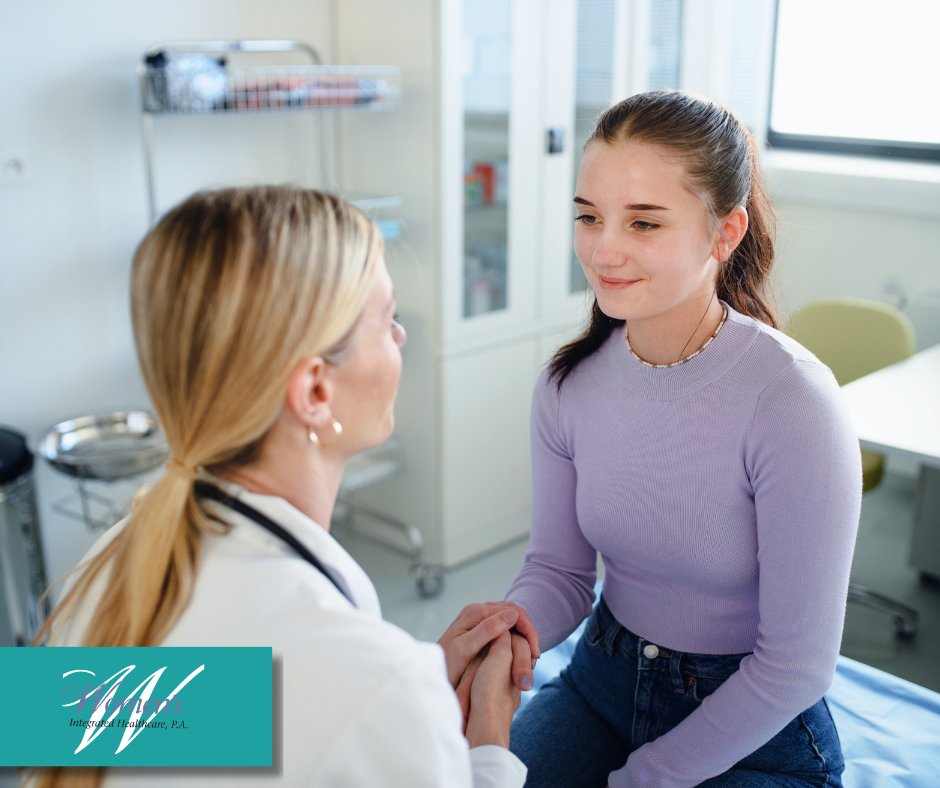
Sarah remembers feeling nervous when her mother told her it was time for her first gynecology appointment. She pictured stirrups, uncomfortable exams, and awkward questions. But when she actually sat down with the doctor, the visit was simply a conversation about her changing body, her menstrual cycle, and how to stay healthy. She left feeling informed and relieved. August is the season for back-to-school physicals, sports clearances, and immunization updates. It is also the perfect time to schedule another important health milestone. The American College of Obstetricians and Gynecologists recommends that young women have their first visit with a gynecologist between the ages of 13 and 15, regardless of whether they are sexually active. For many parents and teens, this recommendation brings up questions and anxiety. Understanding what actually happens during this initial appointment can help both of you feel more comfortable and prepared. What Happens During the First Visit? The most important goal of the first gynecology visit is education and establishing trust. Your daughter’s doctor wants to create a safe, confidential space where she feels comfortable asking questions about her health. In most cases, a pelvic exam is not required during the first visit. Instead, the appointment usually consists of a general physical exam. The doctor will check her height, weight, and blood pressure, and may also perform an external visual exam. The majority of the appointment will be spent talking. The doctor will ask about her medical history, family health history, and menstrual cycle. This is an excellent opportunity for your teen to ask questions about cramps, irregular periods, acne, or emotional changes. Topics Commonly Discussed A gynecologist is a specialist in female health, making them the perfect resource for a teenage girl navigating puberty. During the visit, the provider will likely cover several important areas. Menstrual health is one of the most common reasons teens benefit from this visit. Many young women experience irregular, heavy, or painful periods and assume that suffering through them is normal. The doctor can explain what is and is not typical, and offer solutions for managing severe cramps or unpredictable cycles. If your teen is experiencing period pain that regularly interferes with school or daily activities, the provider may discuss conditions like endometriosis, which often goes undiagnosed for years when symptoms are dismissed as ordinary cramps. The visit will also cover hygiene and body changes. Puberty brings many physical developments that can feel confusing or alarming. The provider can offer guidance on normal vaginal discharge, proper hygiene, and what to expect as her body continues to mature. The doctor will also discuss healthy lifestyle choices, including good nutrition, regular exercise, healthy sleep habits, mental health, and stress management. How to Prepare Your Daughter Communication is the best way to reduce anxiety before the appointment. Talk to your daughter about why this visit is important for her overall health. Explain that the doctor is there to help her understand her body, not to judge her or make her uncomfortable. Let her know that it is completely normal to feel nervous, and encourage her to write down any questions she wants to bring up. At Women’s Integrated Healthcare, our Fort Worth and Southlake GYN teams are specially trained in adolescent gynecology. We prioritize making young women feel safe, respected, and heard. As she grows, we will continue to provide comprehensive care, including her future well-woman exams. If it is time for your daughter’s first visit, schedule an appointment with Women’s Integrated Healthcare today. We welcome patients from Fort Worth, Southlake, and surrounding areas to begin a lifetime of personalized, woman-centered care.
Understanding Gestational Diabetes: Warning Signs, Diet, and Healthy Management
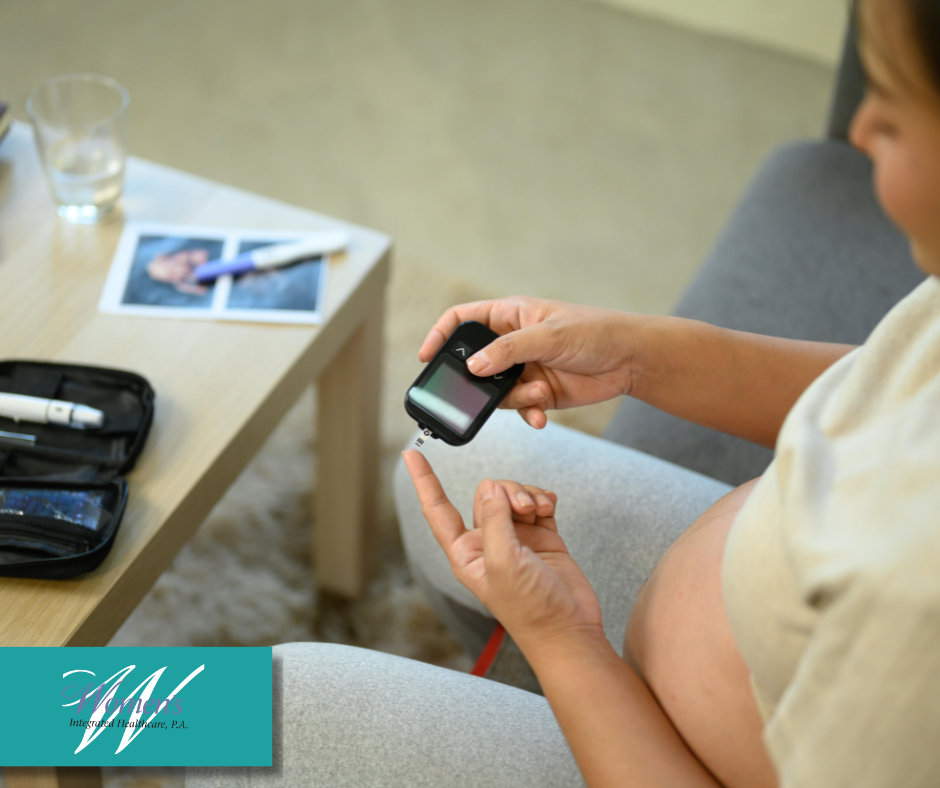
When Emily received the call from her obstetrician after her 24-week glucose test, her heart sank. She had been eating well, staying active, and gaining a healthy amount of weight. Hearing the words “gestational diabetes” made her feel like she had done something wrong. Her doctor quickly reassured her: this condition is common, manageable, and not her fault. Within a few weeks of adjusting her diet, her blood sugar levels were exactly where they needed to be. Gestational diabetes is a type of diabetes that develops during pregnancy in women who did not previously have the condition. According to the American College of Obstetricians and Gynecologists, it is one of the most common complications of pregnancy. While a diagnosis can feel overwhelming, understanding the condition and knowing how to manage it can help you maintain a healthy pregnancy and deliver a healthy baby. What Causes Gestational Diabetes? During pregnancy, the placenta produces hormones that help the baby grow. However, these hormones can also block the action of the mother’s insulin, a process known as insulin resistance. When this happens, the body needs to produce more insulin to keep blood sugar levels stable. If it cannot produce enough to overcome the resistance, blood sugar rises and gestational diabetes develops. Any pregnant woman can develop gestational diabetes, but certain factors increase the risk. These include being overweight before pregnancy, having a family history of type 2 diabetes, being older than 25, or having had gestational diabetes in a previous pregnancy. Women who have been diagnosed with Polycystic Ovary Syndrome (PCOS) are also at a higher risk, because PCOS is itself associated with insulin resistance. Warning Signs and Symptoms One of the most challenging aspects of gestational diabetes is that it often causes no noticeable symptoms. Most women feel completely normal, which is precisely why routine glucose screening between 24 and 28 weeks of pregnancy is so important. When symptoms do occur, they tend to be mild and easily confused with typical pregnancy complaints, including increased thirst, frequent urination, fatigue, and blurred vision. Because these signs are so subtle, you should never rely on symptoms alone to assess your blood sugar health. Managing Gestational Diabetes with Diet For many women, gestational diabetes can be controlled entirely through diet and lifestyle changes. A gestational diabetes diet focuses on balancing carbohydrates, proteins, and healthy fats to keep blood sugar levels stable throughout the day. Carbohydrates have the greatest impact on blood sugar, so monitoring your intake is essential. Rather than simple carbohydrates like white bread, sugary snacks, and soda, choose complex carbohydrates such as whole grains, legumes, and non-starchy vegetables. Eating small, frequent meals throughout the day helps prevent the spikes and dips in blood sugar that can be harmful during pregnancy. Pairing carbohydrates with a source of protein or healthy fat slows the absorption of sugar into your bloodstream. Your doctor may recommend working with a registered dietitian to build a meal plan tailored specifically to your needs and preferences. The Role of Exercise and Medical Care Regular physical activity is another powerful tool for managing gestational diabetes. Exercise helps the body use insulin more effectively, which directly lowers blood sugar levels. A daily 30-minute walk, prenatal yoga, or swimming can make a meaningful difference. Always check with your doctor before beginning a new exercise routine during pregnancy. In some cases, diet and exercise alone are not enough to keep blood sugar in a safe range. If this happens, your doctor may prescribe insulin or an oral medication. Taking medication does not mean you have failed. It simply means your body needs additional support to keep both you and your baby healthy throughout the pregnancy. At Women’s Integrated Healthcare, our experienced OB team provides comprehensive care for both routine and high-risk pregnancies, including the management of gestational diabetes. If you have questions or need to schedule your prenatal care, contact Women’s Integrated Healthcare in Southlake or Fort Worth today.
Ovarian Cysts: Common Symptoms and When You Should See a Doctor

Jessica felt a sharp, sudden twinge in her lower right abdomen while reaching for a box on the top shelf of her kitchen pantry. She brushed it off as a pulled muscle, but the dull ache lingered for days. When the pain began radiating to her lower back and her period arrived two weeks late, she finally called her gynecologist. An ultrasound revealed a common culprit: an ovarian cyst. Ovarian cysts are incredibly common. Most women will develop at least one during their reproductive years, and the vast majority are harmless, painless, and resolve on their own without any medical intervention. However, understanding the symptoms and knowing when to seek care is essential for protecting your pelvic health and catching the rare cases that do require attention. What Are Ovarian Cysts? Your ovaries are two small organs located on either side of your uterus. Every month during your menstrual cycle, a follicle grows on one ovary to release an egg. Sometimes the follicle does not release the egg, or it closes up after the egg is released and fills with fluid. This creates what is called a functional ovarian cyst, which is a normal byproduct of the menstrual cycle. Functional cysts are usually benign and resolve on their own within a few months. Other types of cysts, such as dermoid cysts or endometriomas, are less common and may require closer monitoring or treatment. Common Symptoms to Watch For According to the Mayo Clinic, most small ovarian cysts produce no symptoms at all. Many women discover they have one only during a routine pelvic exam or an ultrasound ordered for an unrelated reason. When symptoms do occur, they vary depending on the size and location of the cyst. The most common symptom is pelvic pain, which may feel like a dull, heavy ache or a sharp, sudden twinge on one side of the lower abdomen. The pain may come and go, or it may be constant. Other common symptoms include a feeling of fullness or pressure in the abdomen, bloating, and pain during intercourse. You might also notice changes in your menstrual cycle, such as irregular periods, unusually heavy bleeding, or spotting between periods. These hormonal fluctuations can sometimes contribute to other symptoms as well, including the period-related tension headaches that many women experience alongside cycle irregularities. When to Worry and Seek Immediate Care While most cysts are harmless, they can occasionally cause serious complications. A large cyst can cause the ovary to twist, a condition known as ovarian torsion, which cuts off the blood supply to the ovary and requires emergency surgery. A cyst can also rupture, causing sudden internal bleeding and severe pain. Seek immediate medical attention if you experience sudden, severe abdominal or pelvic pain, particularly if it is accompanied by fever, vomiting, or signs of shock such as cold and clammy skin, rapid breathing, or lightheadedness. These symptoms can indicate a ruptured cyst or ovarian torsion, both of which are medical emergencies that require prompt treatment. Diagnosis and Treatment Options If you suspect you have an ovarian cyst, your gynecologist can perform a pelvic exam and order a pelvic ultrasound. This imaging test allows your doctor to see the size, shape, and location of the cyst and determine the best course of action. Treatment depends on your age, the size of the cyst, and your symptoms. For small, asymptomatic cysts, your doctor may recommend watchful waiting with follow-up ultrasounds to monitor whether the cyst resolves on its own. If you develop cysts frequently, hormonal birth control can help prevent new ones from forming. Surgery may be necessary if a cyst is large, growing, causing significant pain, or appears suspicious on imaging. You do not have to live with unexplained pelvic pain. If you are experiencing symptoms of an ovarian cyst, schedule an appointment with the gynecology team at Women’s Integrated Healthcare in Southlake or Fort Worth.
Stop the Leaks: Modern Treatment Options for Female Urinary Incontinence

Maria stopped going to her favorite Saturday morning Zumba class. She started wearing dark pants exclusively and mapping out every public restroom before running errands. A simple sneeze or a hearty laugh had become a source of intense anxiety. Like millions of other women, Maria was silently managing urinary incontinence, convinced it was just an unavoidable part of getting older. It was not until her gynecologist asked a routine question at her annual visit that she learned how many effective options were available to her. Urinary incontinence, or the involuntary loss of bladder control, affects women of all ages. Whether it begins after childbirth, during perimenopause, or later in life, the impact on daily confidence and quality of life can be significant. The most important thing to understand is that incontinence is not something you simply have to accept. It is a medical condition with a wide range of effective, modern treatments. Understanding the Types of Incontinence Finding the right treatment starts with identifying what type of incontinence you are experiencing. The two most common types in women are stress incontinence and urge incontinence. Stress incontinence occurs when physical movement or activity places pressure on the bladder. If you leak urine when you cough, sneeze, laugh, lift something heavy, or exercise, stress incontinence is likely the cause. It is often the result of weakened pelvic floor muscles following pregnancy and childbirth. This condition is closely connected to broader pelvic floor health, and many women who experience leakage also deal with other pelvic floor symptoms such as pelvic pressure or discomfort. Urge incontinence, sometimes called overactive bladder, involves a sudden and intense urge to urinate followed by an involuntary loss of urine. Women with urge incontinence often feel the need to urinate very frequently, including throughout the night. This occurs when the bladder muscles contract at the wrong time. First-Line Conservative Treatments Treatment for urinary incontinence almost always begins with the least invasive options, and many women find significant relief without ever needing surgery or medication. Bladder training is one of the most effective first steps. This involves scheduling bathroom trips at set intervals and gradually increasing the time between them to help retrain the bladder. Dietary changes can also make a meaningful difference. Reducing intake of bladder irritants such as caffeine, alcohol, carbonated drinks, and spicy foods often decreases urgency symptoms noticeably. Pelvic floor muscle exercises, commonly known as Kegels, are highly effective for stress incontinence. These exercises strengthen the muscles that support the bladder, uterus, and bowels. Working with a pelvic floor physical therapist ensures you are performing the exercises correctly and targeting the right muscle groups, which makes a significant difference in outcomes. Medical and Surgical Interventions When conservative measures are not enough, additional options are available. According to the Mayo Clinic, prescription medications can help calm an overactive bladder and reduce the urgency and frequency associated with urge incontinence. For stress incontinence, your doctor might suggest a pessary, a small removable device inserted into the vagina to support the urethra and prevent leakage during activity. For more persistent stress incontinence, minimally invasive surgical options are highly effective. A mid-urethral sling procedure involves placing a small strip of synthetic mesh under the urethra to provide support and keep it closed when pressure is applied. It is one of the most commonly performed and successful surgical treatments for stress incontinence, with a strong track record of long-term relief. Reclaiming Your Confidence Living with urinary incontinence can feel isolating, but you are far from alone, and effective help is available. The first step toward reclaiming your confidence and your active lifestyle is an honest conversation with your gynecologist. At Women’s Integrated Healthcare, our team specializes in diagnosing and treating all types of urinary incontinence. We offer compassionate, individualized care designed to help you get back to the activities and moments that matter most. Stop letting your bladder dictate your schedule. Call Women’s Integrated Healthcare in Fort Worth or Southlake today to discuss your treatment options.
What Does an Abnormal Pap Smear Mean? Next Steps and Understanding Colposcopy
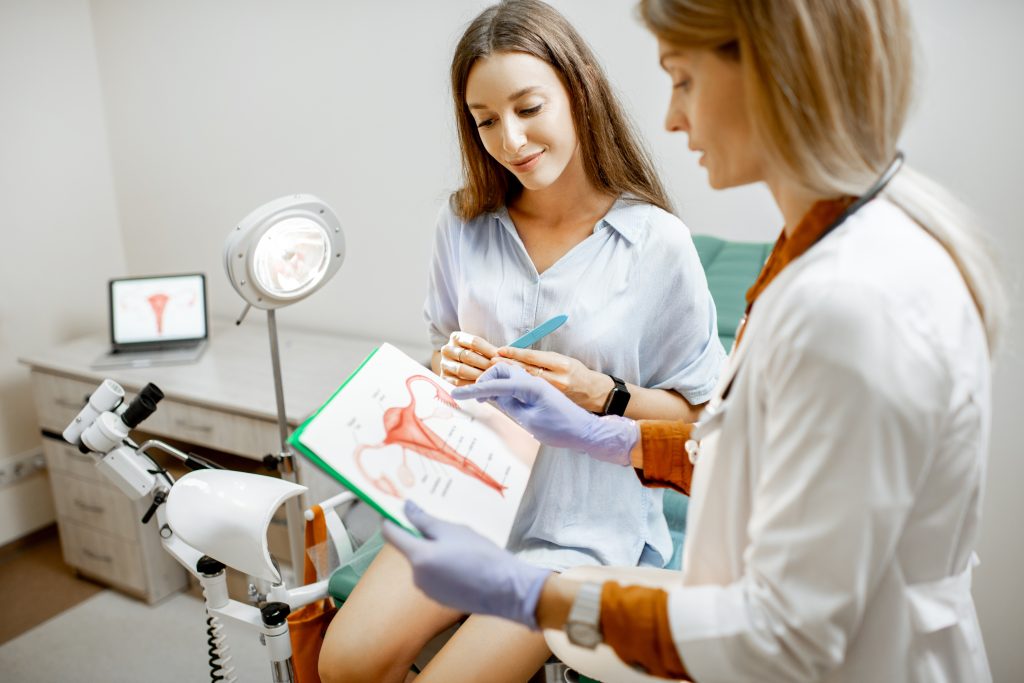
Receiving a call or a patient portal message stating that your recent Pap smear was abnormal can cause an immediate wave of anxiety. It is completely natural to worry, but the most important thing to know right away is that an abnormal cervical screening result rarely means you have cancer. Instead, it typically indicates that mild cellular changes have been detected on your cervix. These changes require careful follow-up monitoring or further diagnostic testing to ensure they do not develop into something more serious over time. Understanding your result and knowing what abnormal pap smear next steps include can help you approach your follow-up care with clarity and confidence. What Causes an Abnormal Pap Smear Result? A Pap smear is a screening tool designed to collect a small sample of cells from the surface of your cervix so they can be examined under a microscope. The most common driver of an abnormal result is the Human Papillomavirus, which is a highly common virus passed through sexual contact. Most adults will contract HPV at some point in their lives, and the immune system often clears the virus on its own without you ever knowing it was present. However, in some cases, certain strains of the virus persist and cause temporary changes in the cervical cells. Other non-viral factors can also cause a mildly abnormal result, including localized cervical inflammation, recent sexual intercourse before the test, or a vaginal infection like yeast or bacterial vaginosis. Deciphering the Terminology of Cervical Screenings When you review your lab report, you will see specific medical abbreviations that describe the nature of the atypical cells. Knowing what these terms mean can make the discussion with your provider much easier. Cervical screening result What the lab finding indicates Typical medical recommendation ASC-US Mildly atypical cells with an unclear underlying cause An HPV test is performed; if negative, you repeat screening in a year. If positive, a colposcopy may be needed Positive HPV Test The presence of the virus is detected, regardless of current cell changes Dependent on your age and prior screening history; often monitored or evaluated with a colposcopy LSIL or HSIL Low-grade or high-grade cellular changes are present on the cervical surface A colposcopy is typically scheduled promptly to examine the cervical tissue closely The Next Step: What is a Colposcopy? If your screening result indicates a more prominent change or a persistent HPV infection, your provider will likely recommend a colposcopy. A colposcopy is a simple, highly effective in-office procedure that allows your doctor to look closely at your cervix using a specialized magnifying instrument called a colposcope. The instrument remains outside your body throughout the brief visit. During the procedure, you will position on the exam table just as you do for a routine Pap smear. Your provider will insert a speculum and apply a mild vinegar solution to your cervix using a cotton swab. This solution highlights any atypical cells, causing them to appear white under the colposcope light. If unusual areas are identified, your provider will take a tiny tissue sample, which is called a biopsy. This sample is sent to a laboratory for definitive analysis. How to Prepare Before Your Colposcopy Appointment Preparing for a colposcopy requires minimal effort, but a few guidelines can support an accurate result. Try to schedule the procedure for a week when you do not expect to have your menstrual period, as heavy bleeding can obscure the view of the cervical tissue. For 24 to 48 hours before your appointment, do not engage in vaginal intercourse, and avoid using tampons, vaginal creams, douching products, or vaginal medications. If a biopsy is performed, you may feel a brief pinch or mild cramping. Taking an over-the-counter pain reliever like acetaminophen shortly before you arrive can help minimize any post-procedure discomfort. Trusting Your Care Team for Personalized Follow-Up The ultimate goal of cervical screening is early detection. Because cervical cell changes develop very slowly over many years, staying current with your recommended follow-up appointments is the most effective way to prevent cervical complications entirely. Once your biopsy results return from the lab, your provider will discuss whether you simply need a repeat Pap test in a year or whether a minor procedure is appropriate to remove the atypical cells. Your gynecologic care should always feel like a collaborative partnership. Bring your questions and your concerns to your care team, and let them guide you safely through your screening results. If you have received an abnormal cervical screening result or need to schedule a follow-up colposcopy, schedule an appointment with Women’s Integrated Healthcare in Southlake or Fort Worth. References
Menopause and Summer Heat: Practical Tips for Managing Hot Flashes

A North Texas July brings intense outdoor temperatures, but for women navigating perimenopause or menopause, the summer heat can feel twice as severe. If you find yourself sweating through your clothing in an air-conditioned room or waking up drenched in the middle of the night, you are experiencing the dual effect of summer weather and menopausal hot flashes. The radical fluctuations in estrogen levels during the menopausal transition directly affect the hypothalamus, which is the part of the brain that regulates your internal thermostat. This hormonal shift causes your body to misread minor changes in temperature, triggering sudden, intense flashes of heat, flushing, and sweating. Understanding how environmental factors interact with your changing hormones is essential for managing hot flashes in summer and reclaiming your daily comfort. Why Summer Intensifies Menopause Symptoms When outdoor temperatures soar, your body’s natural cooling mechanisms are already working harder to keep you comfortable. For menopausal patients, a small rise in environmental heat can push the body past its narrowing “comfort zone,” immediately triggering a full-scale hot flash. Additionally, summer dehydration can make hot flashes feel more intense and can cause rapid heart rates or feelings of dizziness during an episode. Staying consistently hydrated is a foundational requirement, as adequate fluid intake helps your body cool down more efficiently through sweating and stabilizes your internal temperature regulation. Summer situation or trigger Hot flash management tip Strategic benefit High outdoor temperatures Move walks or outdoor chores to early morning and carry a portable fan Prevents a rapid spike in ambient heat from triggering an intense internal flash Disruptive night sweats Layer bed with cotton or moisture-wicking sheets and set air to 65-68 degrees Minimizes nighttime awakenings and improves overall sleep architecture Hot summer dining Choose iced beverages and avoid spicy grilled meats or heavy afternoon meals Reduces internal vascular dilation that can provoke a hot flash after eating Warm clothing layers Select loose clothing made from breathable natural fibers like cotton and linen Allows air to circulate and prevents sweat from trapping heat against your skin Daytime Strategies for Staying Cool and Collected Managing your symptoms during the day requires proactive adjustments to your routine and wardrobe. Synthetic fabrics like polyester can trap moisture and heat against your skin, making natural, breathable fibers like cotton, linen, or bamboo the better choice for summer clothing. Dressing in removable layers ensures that you can adapt quickly when a hot flash begins. Dietary habits also play a large role in hot flash frequency. While an iced coffee or a summer cocktail might sound refreshing, caffeine and alcohol are classic triggers that dilate blood vessels and can cause immediate flushing. Opt for cold, crisp alternatives like cucumber-infused water or herbal iced teas. If you plan to attend an outdoor event or run errands during the afternoon, carry a handheld battery-operated fan and cold water so you can cool down instantly if you feel a surge of heat. Reclaiming Sleep from Disruptive Night Sweats Night sweats can turn summer sleep into a frustrating cycle of waking up cold, changing sheets, and struggling to fall back asleep. Chronic sleep disruption does more than cause daytime fatigue; it can amplify mood swings, increase stress hormones, and worsen memory fog. To create a sleep environment that combats night sweats, prioritize air conditioning management by keeping your bedroom temperature between 65 and 68 degrees. Replace heavy comforters with lightweight, layerable blankets, and invest in moisture-wicking pillows or sheets. Avoid exercising or eating heavy meals within three hours of bedtime, as both activities increase your metabolic rate and raise your core body temperature before sleep. Exploring Modern Medical and Personal Treatment Options When lifestyle adjustments are not enough to provide relief, it is time to discuss medical treatment options with your provider. You do not have to simply endure severe symptoms. Hormone Replacement Therapy remains the most effective option for relieving hot flashes and night sweats for many patients, while also protecting bone density and supporting vaginal health. For women who cannot take hormones due to a history of certain cancers or blood clots, or for those who simply prefer a different route, innovative non-hormonal prescription medications are available. These targeted treatments work directly on the brain’s temperature-control center to reduce hot flash frequency and severity significantly. Partnering with Women’s Integrated Healthcare Schedule a dedicated consultation if your hot flashes are interfering with your sleep, impacting your work productivity, causing intense anxiety, or lowering your overall quality of life. Your care team can perform a thorough evaluation, review your medical history, and help you select a safe, highly personalized path through the menopause transition. Menopause is a natural transition, but suffering through a hot summer is completely optional. With the right medical support and lifestyle strategy, you can stay cool, comfortable, and confident through every season. If you are experiencing perimenopause or menopause symptoms and want to explore personalized treatment options, schedule an appointment with Women’s Integrated Healthcare in Southlake or Fort Worth. References