What Does an Abnormal Pap Smear Mean? Next Steps and Understanding Colposcopy
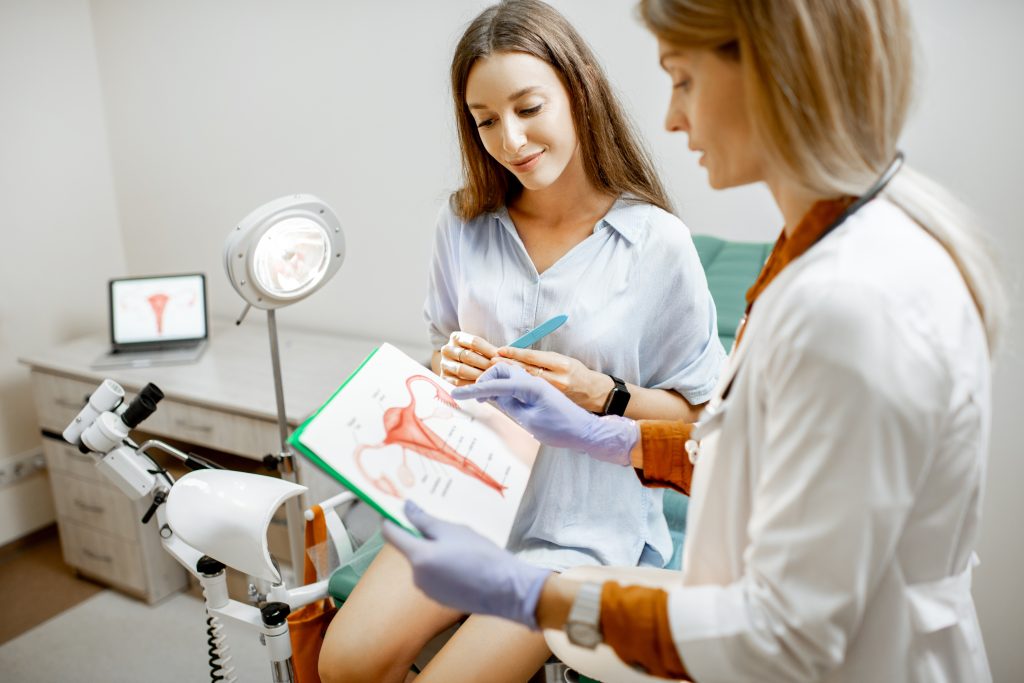
Receiving a call or a patient portal message stating that your recent Pap smear was abnormal can cause an immediate wave of anxiety. It is completely natural to worry, but the most important thing to know right away is that an abnormal cervical screening result rarely means you have cancer. Instead, it typically indicates that mild cellular changes have been detected on your cervix. These changes require careful follow-up monitoring or further diagnostic testing to ensure they do not develop into something more serious over time. Understanding your result and knowing what abnormal pap smear next steps include can help you approach your follow-up care with clarity and confidence. What Causes an Abnormal Pap Smear Result? A Pap smear is a screening tool designed to collect a small sample of cells from the surface of your cervix so they can be examined under a microscope. The most common driver of an abnormal result is the Human Papillomavirus, which is a highly common virus passed through sexual contact. Most adults will contract HPV at some point in their lives, and the immune system often clears the virus on its own without you ever knowing it was present. However, in some cases, certain strains of the virus persist and cause temporary changes in the cervical cells. Other non-viral factors can also cause a mildly abnormal result, including localized cervical inflammation, recent sexual intercourse before the test, or a vaginal infection like yeast or bacterial vaginosis. Deciphering the Terminology of Cervical Screenings When you review your lab report, you will see specific medical abbreviations that describe the nature of the atypical cells. Knowing what these terms mean can make the discussion with your provider much easier. Cervical screening result What the lab finding indicates Typical medical recommendation ASC-US Mildly atypical cells with an unclear underlying cause An HPV test is performed; if negative, you repeat screening in a year. If positive, a colposcopy may be needed Positive HPV Test The presence of the virus is detected, regardless of current cell changes Dependent on your age and prior screening history; often monitored or evaluated with a colposcopy LSIL or HSIL Low-grade or high-grade cellular changes are present on the cervical surface A colposcopy is typically scheduled promptly to examine the cervical tissue closely The Next Step: What is a Colposcopy? If your screening result indicates a more prominent change or a persistent HPV infection, your provider will likely recommend a colposcopy. A colposcopy is a simple, highly effective in-office procedure that allows your doctor to look closely at your cervix using a specialized magnifying instrument called a colposcope. The instrument remains outside your body throughout the brief visit. During the procedure, you will position on the exam table just as you do for a routine Pap smear. Your provider will insert a speculum and apply a mild vinegar solution to your cervix using a cotton swab. This solution highlights any atypical cells, causing them to appear white under the colposcope light. If unusual areas are identified, your provider will take a tiny tissue sample, which is called a biopsy. This sample is sent to a laboratory for definitive analysis. How to Prepare Before Your Colposcopy Appointment Preparing for a colposcopy requires minimal effort, but a few guidelines can support an accurate result. Try to schedule the procedure for a week when you do not expect to have your menstrual period, as heavy bleeding can obscure the view of the cervical tissue. For 24 to 48 hours before your appointment, do not engage in vaginal intercourse, and avoid using tampons, vaginal creams, douching products, or vaginal medications. If a biopsy is performed, you may feel a brief pinch or mild cramping. Taking an over-the-counter pain reliever like acetaminophen shortly before you arrive can help minimize any post-procedure discomfort. Trusting Your Care Team for Personalized Follow-Up The ultimate goal of cervical screening is early detection. Because cervical cell changes develop very slowly over many years, staying current with your recommended follow-up appointments is the most effective way to prevent cervical complications entirely. Once your biopsy results return from the lab, your provider will discuss whether you simply need a repeat Pap test in a year or whether a minor procedure is appropriate to remove the atypical cells. Your gynecologic care should always feel like a collaborative partnership. Bring your questions and your concerns to your care team, and let them guide you safely through your screening results. If you have received an abnormal cervical screening result or need to schedule a follow-up colposcopy, schedule an appointment with Women’s Integrated Healthcare in Southlake or Fort Worth. References
Heavy Bleeding After Endometrial Ablation: What Is Normal and When to Call
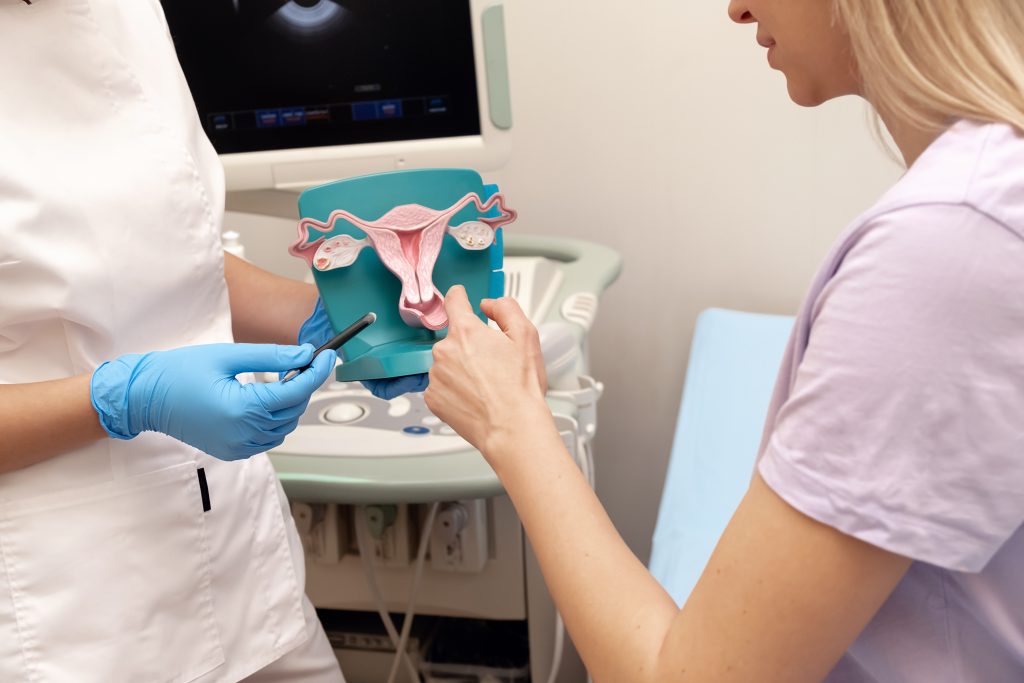
Endometrial ablation can be a helpful treatment option for some patients with heavy menstrual bleeding, but it is normal to have questions about recovery. If you are searching heavy bleeding after endometrial ablation, you may be wondering whether your symptoms are expected or whether you should call your ObGyn. The safest answer is simple: if bleeding feels heavy, worsening, unusual for you, or concerning, call your provider. General recovery guidelines can help you understand what is common, but your medical history and procedure details matter. What Endometrial Ablation Is Designed to Do Endometrial ablation is a procedure that uses heat, cold, or other forms of energy to destroy the lining of the uterus so periods become lighter. Cleveland Clinic explains that after endometrial ablation, some patients have no bleeding, some have less bleeding, and some do not notice a change in menstrual bleeding. This procedure is not appropriate for everyone. It is typically considered for heavy menstrual bleeding when medication has not helped, and it is intended for patients who are sure they do not want future pregnancy. Cleveland Clinic also notes that pregnancy after ablation is unlikely but possible and can carry risks, so patients should use birth control until menopause. What Bleeding May Be Normal After Ablation? Short-term recovery can include cramping and discharge. Cleveland Clinic states that after endometrial ablation, patients may have period-like cramps for one to three days and light bleeding or pink watery discharge for a few weeks, usually heaviest 48 to 72 hours after the procedure. Symptom after ablation Often expected? What to do Mild to moderate cramping for one to three days Can be common Follow your aftercare instructions and call if pain is severe or worsening Light bleeding or pink watery discharge for a few weeks Can be common Use the products recommended by your provider and monitor changes Discharge that is heaviest 48 to 72 hours after the procedure Can be common Call if bleeding is heavy, persistent, or concerning Heavy bleeding, fever, severe pain, or foul-smelling discharge Needs medical guidance Contact your ObGyn promptly Your provider may give you more specific instructions based on the type of ablation performed, your bleeding history, and any other conditions such as fibroids, polyps, or anemia. When Heavy Bleeding Needs a Call Heavy bleeding should not be ignored. Cleveland Clinic lists heavy bleeding as a possible risk of endometrial ablation, along with infection and other complications. You should call your provider if you are soaking through pads quickly, passing large clots, feeling dizzy or weak, developing fever, having worsening pelvic pain, or noticing discharge with a foul odor. If symptoms feel severe or you are worried about significant blood loss, seek urgent medical care. Waiting can make it harder to treat complications early. What If Heavy Periods Come Back Months Later? Some patients notice lighter periods for months or years, then bleeding changes again. Others may not get the level of relief they expected. That does not always mean something dangerous is happening, but it does mean you should be evaluated. Bleeding can have many causes, including hormonal changes, fibroids, polyps, adenomyosis, infection, medication effects, or other uterine concerns. A follow-up visit may include a pelvic exam, ultrasound, lab work, or discussion of additional treatment options. Your provider may also review whether you need anemia testing if bleeding has been heavy or prolonged. Important Pregnancy Considerations Endometrial ablation is not a form of birth control. Cleveland Clinic notes that pregnancy can still happen after ablation, and if it does, risks can include miscarriage and other complications. If you have had an ablation and think you may be pregnant, call your ObGyn right away. This is also why pregnancy goals should be discussed before the procedure. If you are still considering future pregnancy, endometrial ablation is usually not the right option. How to Prepare for Your Appointment If you are calling about bleeding after ablation, try to note when the bleeding started, how often you are changing pads, whether you are passing clots, whether you have fever or pain, and whether you feel dizzy, short of breath, or unusually tired. This information helps your care team decide how urgently you should be seen. You do not need to decide on your own whether symptoms are serious enough. If bleeding after ablation concerns you, that is enough reason to contact your provider. If you are experiencing heavy bleeding after endometrial ablation or want to discuss treatment options for heavy periods, schedule an appointment with Women’s Integrated Healthcare in Southlake or Fort Worth. References [3] Cleveland Clinic, Endometrial Ablation
Preparing for Your Well-Woman Exam: What to Ask and What to Expect
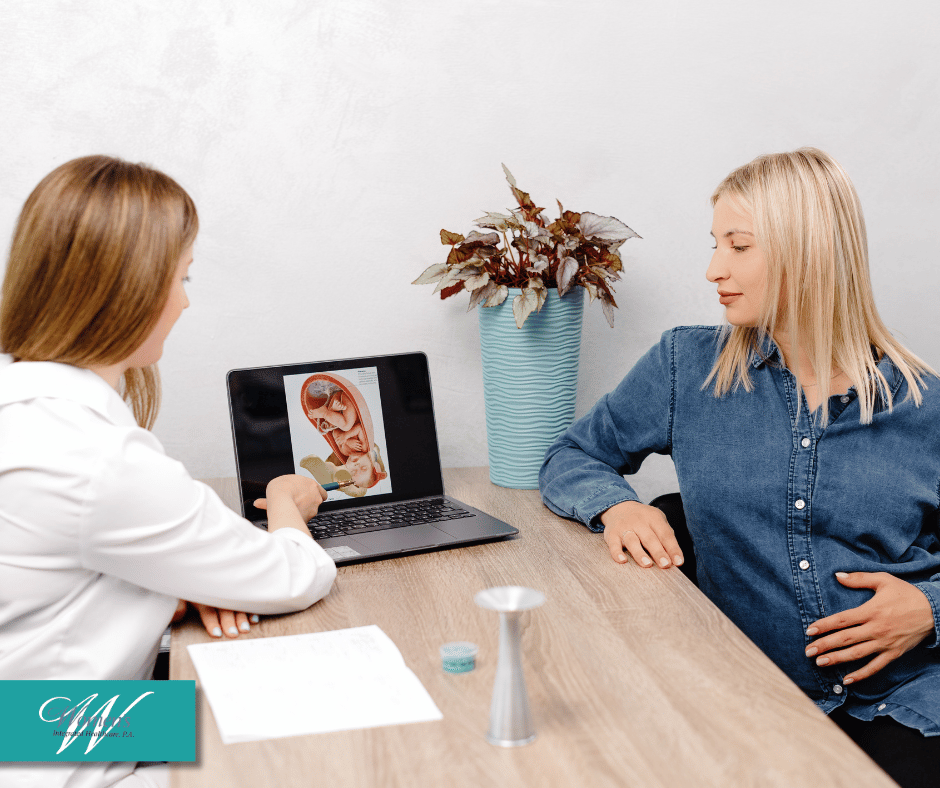
A well-woman exam is not just a quick appointment for a Pap test. It is a chance to talk about your health, ask questions you may not know where else to ask, review preventive screenings, and make a plan for the next stage of life. If you are searching well woman exam what to expect, the most important thing to know is that the visit should be personalized to your age, symptoms, medical history, and goals. ACOG explains that routine ObGyn visits involve much more than a Pap test, pelvic exam, or breast exam, and those exams may not be needed at every checkup. ACOG also states that a well-woman visit is an opportunity to counsel patients about maintaining a healthy lifestyle and minimizing health risks. What Happens During a Well-Woman Visit? Your visit often starts with conversation. Your provider may ask about your periods, symptoms, medications, allergies, surgeries, family history, sexual health, birth control, pregnancy goals, mental health, lifestyle, and safety. ACOG notes that a comprehensive history is one of the most important parts of the visit because it helps determine which exams or screenings are appropriate. Depending on your age, health history, and concerns, your visit may include a blood pressure check, breast exam, pelvic exam, cervical cancer screening, STI testing, contraception counseling, menopause counseling, vaccine discussion, or referrals for other preventive care. ACOG emphasizes that pelvic and breast exams should be performed when indicated by medical history or symptoms rather than automatically at every visit. Part of the visit What it may include Why it matters Health history Periods, symptoms, medications, family history, past conditions Helps your provider identify risks and choose appropriate care Preventive screening Cervical cancer screening, STI testing, blood pressure, breast health discussion Supports early detection and prevention Reproductive planning Birth control, fertility goals, pregnancy planning Aligns care with your current and future plans Life-stage care Teen concerns, postpartum recovery, perimenopause, menopause, sexual health Makes the visit relevant to your stage of life Mental health and safety Stress, anxiety, depression, home safety, support systems Recognizes that whole-person health affects gynecologic health How to Prepare Before Your Appointment A little preparation can make your visit more productive. Write down the first day of your last period, how long your periods usually last, whether bleeding or cramping has changed, and any symptoms that feel new or frustrating. Bring a list of medications and supplements, including doses if you know them. If you have had recent imaging, labs, or care from another provider, bring that information or ask for records to be sent ahead of time. You should also think about your goals. Are you trying to prevent pregnancy, plan for pregnancy, manage heavy periods, understand menopause symptoms, address pain with sex, or simply stay current with preventive care? Your provider can help, but the conversation is easier when you know what you want to cover. Questions Worth Asking There is no wrong question at a well-woman visit. If it affects your body, mood, periods, sexual health, pregnancy plans, or quality of life, it is appropriate to ask. If you are wondering about Consider asking Period changes Is my bleeding pattern normal for my age and history? Preventive care Am I due for a Pap test, HPV test, mammogram, STI testing, or vaccines? Birth control What options fit my health history and lifestyle? Pregnancy planning What should I do before trying to conceive? Perimenopause or menopause Are my symptoms expected, and what treatment options are available? Pain or discomfort What could be causing pelvic pain, pain with sex, or vaginal symptoms? Family history Does my family history change my screening recommendations? Why You Should Not Wait for Symptoms Some patients only schedule gynecology care when something feels wrong. That is understandable, especially when life is busy, but preventive visits can identify risks, update screenings, and give you time to ask questions before symptoms become disruptive. ACOG recommends periodic well-woman visits for reproductive, perimenopausal, and postmenopausal patients. Preventive care is also an opportunity to build a relationship with your provider. When a concern comes up later, it is easier to call a team that already knows your history. When to Schedule Sooner Do not wait for your next routine visit if you have heavy bleeding, bleeding after menopause, pelvic pain, severe cramps, unusual discharge, breast changes, missed periods, painful sex, pregnancy concerns, or symptoms that interfere with daily life. A well-woman visit is preventive, but problem-focused appointments are available when something needs attention now. Your ObGyn visit should feel like a conversation, not a test you have to pass. The goal is to understand what is happening in your body and create a plan that supports your health. If you are due for preventive care or have questions about your gynecologic health, schedule a well-woman appointment with Women’s Integrated Healthcare in Southlake or Fort Worth. References [2] ACOG, What Happens at an Ob-Gyn Checkup and Why? One Doctor Explains [2] ACOG Committee Opinion No. 755, Well-Woman Visit
Pelvic Floor Health: What It Is, Why It Matters, and When to Get Help

“I just thought leaking when I sneezed was the price of having three kids,” Sarah admitted during her annual well-woman exam. She was 38, active, and otherwise healthy. But for the past four years, she had stopped running, avoided jumping jacks at the gym, and carried a spare pair of underwear in her purse. “My mom did it. My friends joke about it. I figured it was just normal.” It is incredibly common. But it is not normal. The normalization of pelvic floor dysfunction—whether it is urinary incontinence, pain during intercourse, or a constant feeling of heaviness—prevents millions of women from seeking treatment for highly correctable conditions. Your pelvic floor is a complex, vital muscle group. When it stops functioning correctly, it impacts your daily life, your confidence, and your physical activity. Here is what you need to know about your pelvic floor, how to recognize when it is struggling, and why you do not have to simply live with the symptoms. What Is the Pelvic Floor? Your pelvic floor is a hammock-like group of muscles, ligaments, and connective tissues that stretch across the base of your pelvis. [1] These muscles serve several critical functions. They support your pelvic organs, including your bladder, uterus, and bowel, keeping them in their proper positions. They control the release of urine and feces by wrapping around the urethra and rectum. They also play a significant role in sexual function and core stability. Like any other muscle group in your body, your pelvic floor muscles can become too weak (hypotonic) or too tight (hypertonic). Both extremes cause dysfunction, but they present with very different symptoms. Recognizing Pelvic Floor Dysfunction Pelvic floor dysfunction occurs when you are unable to correctly coordinate the contraction and relaxation of these muscles. [2] The symptoms are often dismissed as inevitable consequences of aging, childbirth, or menopause. If your pelvic floor muscles are too weak, they cannot adequately support your pelvic organs or control your sphincters. Symptoms of a weakened pelvic floor include: Conversely, if your pelvic floor muscles are too tight or in a state of chronic spasm, they cannot relax enough to allow for normal function. Symptoms of a hypertonic pelvic floor include: It is entirely possible to experience a combination of these symptoms. For example, a woman with a hypertonic pelvic floor may experience urinary urgency because the tight muscles are constantly irritating her bladder. Why Does Dysfunction Happen? The pelvic floor is subjected to significant stress throughout a woman’s life. Pregnancy and vaginal childbirth are the most common catalysts for pelvic floor dysfunction, as the muscles and connective tissues are stretched and sometimes torn. [4] However, you do not have to have been pregnant to experience these issues. Other common causes include: The Role of Pelvic Floor Physical Therapy If you are experiencing symptoms of pelvic floor dysfunction, the first step is a comprehensive evaluation by your gynecologist to rule out infections or other medical conditions. Once a diagnosis is confirmed, the most effective, evidence-based, first-line treatment is often pelvic floor physical therapy (PFPT). [6] Pelvic floor physical therapy is not just about doing Kegels. In fact, if your pelvic floor is already too tight, doing Kegels can actually worsen your symptoms. [7] A specialized pelvic floor physical therapist will assess your muscle tone, strength, and coordination. If your muscles are weak, they will teach you how to properly isolate and strengthen them, often using biofeedback to ensure you are engaging the correct muscles. If your muscles are too tight, the therapist will use internal and external manual release techniques, trigger point therapy, and relaxation exercises to lengthen the muscles and relieve pain. [8] PFPT has robust evidence supporting its effectiveness. Studies show that targeted pelvic floor muscle training can significantly improve or resolve urinary incontinence in up to 59 percent of women. [9] It is a conservative, non-surgical approach that addresses the root cause of the dysfunction rather than just managing the symptoms. You Do Not Have to Live With It Leaking when you laugh is not a punchline. Pain during intimacy is not something you should endure. A constant feeling of pelvic pressure is not a normal part of aging. If you are modifying your life, your wardrobe, or your activities because of your pelvic floor, it is time to seek help. Schedule a consultation with Women’s Integrated Healthcare to discuss your symptoms. We can provide a thorough evaluation, discuss your treatment options, and connect you with the specialized care you need to regain control and comfort. References [1] Cleveland Clinic. (2025). Pelvic Floor Muscles: Anatomy, Function & Conditions. https://my.clevelandclinic.org/health/body/22729-pelvic-floor-muscles [2] Cleveland Clinic. (2024). Pelvic Floor Dysfunction: What It Is, Symptoms & Treatment. https://my.clevelandclinic.org/health/diseases/14459-pelvic-floor-dysfunction [3] American College of Obstetricians and Gynecologists. (2024). Pelvic Support Problems. https://www.acog.org/womens-health/faqs/pelvic-support-problems [4] National Institute of Child Health and Human Development. (2025). What are the symptoms of pelvic floor disorders (PFDs)? https://www.nichd.nih.gov/health/topics/pelvicfloor/conditioninfo/symptoms [5] American Academy of Family Physicians. (2021). Chronic Pelvic Pain in Women: ACOG Updates. https://www.aafp.org/pubs/afp/issues/2021/0201/p186.html [6] PubMed. (2019). Pelvic floor physical therapy in the treatment of pelvic floor disorders. https://pubmed.ncbi.nlm.nih.gov/31609735/ [7] Johns Hopkins Medicine. (2024). Pelvic Floor Therapy. https://www.hopkinsmedicine.org/health/treatment-tests-and-therapies/pelvic-floor-therapy [8] APTA Pelvic Health. (2024). Benefits of Pelvic Health Physical Therapy. https://www.aptapelvichealth.org/info/the-benefits-of-pelvic-health-physical-therapy [9] National Center for Biotechnology Information. (2023). Effectiveness of Pelvic Floor Muscle Training on Quality of Life. https://pmc.ncbi.nlm.nih.gov/articles/PMC10301414/
BV vs. Yeast Infection: How to Tell the Difference and Why It Matters
You notice an uncomfortable itch. Then, a change in your vaginal discharge. Your first instinct is probably to head to the pharmacy for an over-the-counter yeast infection treatment. It is what most women do. But what if it is not a yeast infection? Bacterial vaginosis (BV) and yeast infections are the two most common causes of vaginitis (vaginal inflammation). [1] Because they share some overlapping symptoms—like itching, irritation, and abnormal discharge—they are frequently confused. However, they are caused by entirely different organisms and require completely different treatments. Treating BV with a yeast infection cream will not work, and it can actually make your symptoms worse by further disrupting your vaginal microbiome. Here is how to tell the difference between the two and why getting an accurate diagnosis matters. The Root Cause: Bacteria vs. Fungus Your vagina is home to a complex, delicate ecosystem of microorganisms. In a healthy state, “good” bacteria (primarily lactobacilli) keep “bad” bacteria and yeast in check by maintaining a slightly acidic environment. [2] A yeast infection (candidiasis) occurs when there is an overgrowth of a fungus called Candida. This fungus naturally lives in your vagina in small numbers, but factors like antibiotic use, pregnancy, uncontrolled diabetes, or a weakened immune system can cause it to multiply rapidly. [3] Bacterial vaginosis (BV), on the other hand, is not caused by a fungus. It happens when the normal balance of bacteria in your vagina is disrupted, and certain types of “bad” bacteria (often Gardnerella vaginalis) overgrow and outnumber the good lactobacilli. [4] BV is the most common vaginal infection in women ages 15 to 44. [5] How to Tell the Difference: The Symptoms While both conditions cause discomfort, the specific symptoms are usually distinct enough to tell them apart if you know what to look for. The Discharge This is often the most reliable indicator. The Odor The Discomfort Why Accurate Diagnosis Matters If you have had a yeast infection before and recognize the classic “cottage cheese” discharge and intense itching, an over-the-counter antifungal cream is often a reasonable first step. However, if your symptoms are ambiguous, if you have that distinct fishy odor, or if the OTC treatment does not work within a few days, you need to see your provider. BV cannot be cured with over-the-counter medications. It requires prescription antibiotics, either oral pills (like metronidazole) or a vaginal gel or cream. [9] Leaving BV untreated is not just uncomfortable; it carries real health risks. Untreated BV increases your susceptibility to sexually transmitted infections (STIs), including HIV, chlamydia, and gonorrhea. [10] If you are pregnant, untreated BV is linked to an increased risk of premature rupture of membranes, preterm birth, and low birth weight. [11] Prevention and Next Steps Both BV and yeast infections are signs that your vaginal microbiome is out of balance. To help maintain a healthy environment: If you are experiencing vaginal discomfort, abnormal discharge, or a noticeable odor, do not guess in the pharmacy aisle. Schedule an appointment with Women’s Integrated Healthcare. We can quickly and accurately diagnose the cause of your symptoms and prescribe the correct treatment to get you back to feeling comfortable and confident. References [1] American College of Obstetricians and Gynecologists. (2024). Think You Have a Vaginal Infection? Here’s What You Need to Know. https://www.acog.org/womens-health/experts-and-stories/the-latest/think-you-have-a-vaginal-infection-heres-what-you-need-to-know [2] Office on Women’s Health. (2022). Bacterial vaginosis. https://womenshealth.gov/a-z-topics/bacterial-vaginosis [3] American College of Obstetricians and Gynecologists. (2024). Vaginitis. https://www.acog.org/womens-health/faqs/vaginitis [4] Centers for Disease Control and Prevention. (2023). About Bacterial Vaginosis (BV). https://www.cdc.gov/bacterial-vaginosis/about/index.html [5] Centers for Disease Control and Prevention. (2021). Bacterial Vaginosis – STI Treatment Guidelines. https://www.cdc.gov/std/treatment-guidelines/bv.htm [6] Healthline. (2019). Bacterial Vaginosis vs. Yeast Infection: Symptoms, Treatment, More. https://www.healthline.com/health/bacterial-vaginosis-vs-yeast-infection [7] Roswell Ob/Gyn. (2026). Yeast Infection vs. BV Differences. https://roswellobgyn.org/yeast-infection-vs-bv-how-to-tell-the-difference/ [8] Advanced Gynecology. (2024). Bacterial Vaginosis Vs. Yeast Infections: Differences and Similarities. https://advancedgynecology.com/blog/bacterial-vaginosis-vs-yeast-infections-differences-and-similarities [9] Mayo Clinic. (2023). Bacterial vaginosis – Diagnosis and treatment. https://www.mayoclinic.org/diseases-conditions/bacterial-vaginosis/diagnosis-treatment/drc-20352285 [10] World Health Organization. (2025). Bacterial vaginosis. https://www.who.int/news-room/fact-sheets/detail/bacterial-vaginosis [11] Centers for Disease Control and Prevention. (2024). Bacterial Vaginosis – CDC Fact Sheet. https://stacks.cdc.gov/view/cdc/32737/cdc_32737_DS1.pdf [12] New York State Department of Health. (2024). Bacterial Vaginosis: What Women Need to Know. https://www.health.ny.gov/publications/3831/
Why PCOS Is Hard to Diagnose — And What to Do If You Suspect It

Morgan had been to three different doctors before anyone put the pieces together. A dermatologist for her jawline acne. An endocrinologist for her blood sugar. Her OB-GYN for cycles that came every 45 days — when they came at all. “Everyone kept treating the symptom in front of them,” she said. “Nobody ever asked if they might be connected.” They were. Morgan has PCOS — polycystic ovary syndrome — one of the most common hormonal conditions affecting women of reproductive age, and one of the most frequently missed. Why Diagnosis Takes So Long PCOS affects approximately one in ten women, yet the average time from first symptoms to diagnosis is seven to ten years. Several factors drive that delay. First, the symptoms are varied enough that they’re easily attributed to other causes or dismissed entirely. Irregular periods might be chalked up to stress. Acne to diet. Weight gain to lifestyle. Hair thinning to aging. When each symptom gets treated separately, no one sees the full picture. Second, there’s no single definitive test. Diagnosis is based on meeting at least two of three criteria: irregular or absent ovulation, elevated androgen levels (through blood work or visible signs like excess hair growth), and polycystic ovaries on ultrasound. Notably, you don’t need to have ovarian cysts to be diagnosed with PCOS — the name is misleading. Third, symptoms vary significantly between women. Some have classic presentations. Others have only mild irregularities that don’t raise obvious flags at routine visits. The Full Symptom Picture Irregular periods are the most recognized PCOS symptom, but the condition affects multiple body systems. About 70 percent of women with PCOS have insulin resistance, regardless of body weight — which causes difficulty managing blood sugar, intense carbohydrate cravings, and darkened skin patches in body creases. Elevated androgens drive the skin and hair changes many women notice: persistent acne especially along the jawline and chin, excess facial or body hair, and thinning hair at the scalp. These symptoms can appear even in women whose blood androgen levels fall within the “normal” range on standard testing. Mood and mental health are also affected. Women with PCOS have higher rates of anxiety and depression than the general population — a connection that’s hormonal, not coincidental. What Diagnosis Involves If you suspect PCOS, a thorough evaluation includes a detailed symptom history, blood work to assess hormone levels (including testosterone, LH, FSH, and insulin), and a pelvic ultrasound. Your provider should ask not just about your periods but about your skin, hair, weight patterns, energy, and mood — because PCOS is a whole-body condition. Treatment Is Individualized There’s no single PCOS treatment, because PCOS doesn’t look the same in every woman. Treatment goals are shaped by your priorities: managing symptoms, protecting long-term metabolic health, or supporting fertility. For cycle regulation and androgen-related symptoms, combined hormonal contraceptives are often first-line. Metformin improves insulin sensitivity and can restore more regular ovulation. Anti-androgen medications like spironolactone address excess hair and acne directly. For women trying to conceive, ovulation induction with medications like letrozole is typically the starting point. Lifestyle changes — specifically a low-glycemic diet and regular exercise — improve insulin sensitivity and can meaningfully reduce symptoms independent of weight change. These aren’t alternatives to medication; they work best in combination. Long-Term Health Implications PCOS is a metabolic condition, not just a reproductive one. Women with PCOS face higher lifetime risks of type 2 diabetes, cardiovascular disease, and endometrial cancer if cycles remain very irregular long-term. Early diagnosis and consistent management reduce these risks significantly. If you’ve been experiencing symptoms that feel connected — irregular periods, acne, hair changes, difficulty managing weight — and haven’t received a clear explanation, it’s worth pursuing a comprehensive evaluation. Schedule a PCOS consultation to discuss your symptoms, get appropriate testing, and build a treatment plan that addresses your specific presentation. Sources
Endometriosis and Spring Activity: Managing Flares When You Want to Be Moving

For women with endometriosis, spring presents a particular tension. Warmer weather, longer days, and the pull to be outside and active — alongside a condition that can make movement feel impossible during flares. If you’ve spent a beautiful April day curled up in pain instead of outside, you’re not alone, and you’re not overreacting. Managing endometriosis through active seasons takes strategy. Here’s what helps, what doesn’t, and when to revisit your treatment plan. Why Flares Feel Worse When You Push Through Endometriosis causes tissue similar to the uterine lining to grow outside the uterus — on the ovaries, bowel, bladder, and surrounding structures. This tissue responds to the same hormonal signals as the uterine lining, thickening and breaking down with each cycle. Because it has nowhere to go, it causes inflammation, scarring, and nerve irritation. High-intensity exercise during a flare increases intra-abdominal pressure and can temporarily worsen pain — not because exercise is harmful, but because inflamed tissue is more reactive to physical stress. The frustrating part is that staying completely sedentary doesn’t help either. The goal is finding the approach that works with your body rather than against it. What the Research Actually Shows Regular, moderate exercise is genuinely beneficial for endometriosis management. Research published in the Journal of Endometriosis and Uterine Disorders suggests that consistent aerobic activity reduces circulating estrogen levels, which may slow the growth of endometrial tissue over time. Exercise also reduces systemic inflammation and improves pain tolerance through endorphin release. The key word is moderate. Walking, swimming, yoga, and cycling are consistently reported as tolerable and beneficial by women with endometriosis. High-impact activities — running, jumping, heavy lifting — are better tolerated between flares than during them. Listening to your body on high-pain days isn’t giving up; it’s smart symptom management. Pelvic Floor Physical Therapy: Underused and Effective One of the most effective and underutilized treatments for endometriosis-related pain is pelvic floor physical therapy. Endometriosis frequently causes pelvic floor muscle dysfunction — tight, guarded muscles that create additional pain beyond the inflammation itself. A pelvic floor physical therapist can assess muscle function, provide internal and external treatment, and teach techniques to reduce the muscular component of pain. If you haven’t been referred for pelvic floor PT as part of your endometriosis management, it’s worth asking about. For many women, it significantly expands what’s possible — including physical activity. Pain Management on Active Days NSAIDs like ibuprofen and naproxen are first-line for endometriosis pain and work best when taken preventively — starting a day or two before your period rather than waiting until pain is severe. Heat therapy (a heating pad or warm bath) helps relax pelvic floor muscles and can be used alongside medication. If over-the-counter options aren’t controlling your pain adequately, or if you’re modifying your activities more than you’d like to, that’s important information for your provider. Pain that interferes with daily life — including the activities you want to do in the spring — is not something to simply manage around. It warrants a treatment review. When to Revisit Your Treatment Plan Endometriosis is a chronic condition, and treatment needs evolve. If your current plan isn’t giving you adequate quality of life, if your symptoms are worsening, or if you’re approaching a decision about fertility, a specialist consultation is appropriate. Treatment options include hormonal management (continuous birth control, progestin-only methods, GnRH agonists), surgical intervention to remove endometrial tissue and adhesions, and integrative approaches including anti-inflammatory nutrition and stress management. The right combination depends on your current symptoms, fertility goals, and what you’ve already tried. You don’t have to choose between managing pain and staying active. With the right treatment plan, both are possible. Schedule a consultation to review your endometriosis management, discuss your symptoms, and explore options that give you back the quality of life you deserve — including spring days spent moving. Sources
Endometriosis Awareness: Why Your Painful Periods Deserve Attention

For years, Jessica thought everyone experienced the kind of period pain that left her curled up on the bathroom floor, missing work and canceling plans. “It’s just part of being a woman,” her mother had told her. But when she mentioned her symptoms to her gynecologist during a routine visit, the response stopped her cold: “That’s not normal. We need to investigate for endometriosis.” March is Endometriosis Awareness Month, and it’s time to dispel the dangerous myth that severe period pain is normal or something you should simply endure. Endometriosis affects approximately one in ten women of reproductive age—about 190 million women worldwide—yet it takes an average of seven to ten years to receive a diagnosis. What Is Endometriosis? Endometriosis occurs when tissue similar to the uterine lining grows outside the uterus—on the ovaries, fallopian tubes, bladder, bowel, or other pelvic structures. Like the lining inside your uterus, this tissue responds to hormonal changes during your cycle, thickening and breaking down. But unlike menstrual blood, it has nowhere to go, causing inflammation, scarring, and adhesions. Recognizing the Signs While painful periods are the hallmark symptom, endometriosis affects much more than just your cycle. Common Symptoms: The Pain Isn’t “All in Your Head”: Many women with endometriosis report being dismissed by healthcare providers or told their pain is psychological. The pain is real, caused by inflammation and nerve irritation from endometrial tissue growing where it shouldn’t. Why Diagnosis Takes So Long Several factors contribute to delayed diagnosis: The Fertility Connection Endometriosis is found in 25-50 percent of women experiencing infertility. The condition can affect fertility through: However, many women with endometriosis do conceive naturally, and fertility treatments can help when needed. Treatment Options There’s no cure for endometriosis, but multiple treatments can effectively manage symptoms: Pain Management: Hormonal Treatments: Surgical Treatment: Laparoscopic surgery can remove endometrial tissue and adhesions. This is both diagnostic (confirming endometriosis) and therapeutic (providing relief). Surgery may improve fertility and reduce pain for many women. Lifestyle Approaches: Living With Endometriosis Endometriosis is a chronic condition requiring long-term management. Many women find their symptoms improve with treatment, though flares can occur. Important Coping Strategies: When to Seek Help Don’t wait years to get answers. Seek evaluation if you experience: Advocate for Your Health If you suspect endometriosis, be prepared to advocate for yourself. Track your symptoms, document how they affect your daily life, and don’t accept dismissal. You know your body better than anyone else. At Women’s Integrated Healthcare, we take pelvic pain seriously. We listen to your concerns, conduct thorough evaluations, and create personalized treatment plans. Whether you need medical management, surgical intervention, or fertility support, we’re here to help you reclaim your quality of life. This Endometriosis Awareness Month, if you’re suffering with severe period pain, schedule a consultation. You deserve answers, relief, and compassionate care. References:
PCOS Awareness Month: Understanding Symptoms Beyond Irregular Periods
March is PCOS Awareness Month, and it’s time to talk about one of the most common—yet often misunderstood—hormonal disorders affecting women. Polycystic Ovary Syndrome (PCOS) affects approximately one in ten women of reproductive age, yet many go years without a proper diagnosis. Most women know that PCOS causes irregular periods. But this complex condition affects far more than just your menstrual cycle, and recognizing the full spectrum of symptoms is crucial for getting the care you need. Beyond Irregular Cycles: The Full Picture While irregular or absent periods are a hallmark of PCOS, the condition affects multiple body systems. Many women don’t realize that seemingly unrelated symptoms are actually connected. Metabolic Signs: PCOS significantly impacts how your body processes insulin. About 70 percent of women with PCOS have insulin resistance, even if they’re not overweight. This can cause: Hormonal and Skin Changes: Elevated androgens (male hormones) cause visible changes: Reproductive Health: Beyond irregular periods, PCOS affects fertility: Emotional and Mental Health: The hormonal imbalances of PCOS don’t just affect your body: Why PCOS Often Goes Undiagnosed Many women see different specialists for individual symptoms—a dermatologist for acne, an endocrinologist for weight issues, a therapist for mood problems—without anyone connecting the dots. Additionally, symptoms can be subtle or develop gradually, making them easy to dismiss as “normal.” The condition is diagnosed when you have at least two of these three criteria: Importantly, despite the name, you don’t need to have cysts on your ovaries to have PCOS. Long-Term Health Implications PCOS isn’t just about fertility and irregular periods—it’s a metabolic condition with serious long-term health risks: The good news? Early diagnosis and proper management can significantly reduce these risks. Treatment Approaches That Work PCOS treatment is highly individualized based on your symptoms and goals: Lifestyle Modifications: For many women, lifestyle changes provide dramatic improvements: Medications: Targeted Treatments: When to Seek Help If you’re experiencing multiple PCOS symptoms, don’t wait. Early diagnosis and treatment can: This PCOS Awareness Month, advocate for your health. If something feels off—whether it’s irregular periods, unexplained weight gain, excessive hair growth, or persistent acne—schedule a comprehensive evaluation. At Women’s Integrated Healthcare, we take a whole-body approach to PCOS management. We don’t just treat symptoms; we address the underlying hormonal imbalances and create personalized treatment plans that support your immediate concerns and long-term health. Schedule your PCOS consultation today and take the first step toward better hormonal health. References: BLOG 3: Preparing Your Body for Pregnancy: A Pre-Conception Checklist Link for socials: https://womensintegratedhealthcare.com/preconception-health-pregnancy-checklist/ You’ve decided you’re ready to start trying for a baby. The excitement is real—but before you toss the birth control, there’s important preparation that can dramatically improve your chances of conception and a healthy pregnancy. Preconception health isn’t just about stopping contraception and hoping for the best. The three months before conception are crucial for optimizing your body and reducing risks. Think of it as creating the healthiest possible environment before your baby even begins to develop. Start With a Preconception Visit Schedule a checkup before you start trying to conceive. This visit is different from a regular exam and should include: Health History Review: Your provider will assess chronic conditions (diabetes, thyroid disorders, high blood pressure), past pregnancy complications, family history of genetic conditions, and current medications that may need adjustment. Essential Screenings: Medication Review: Some medications aren’t safe during pregnancy. If you take medications for chronic conditions, your provider may switch you to pregnancy-safe alternatives before you conceive. Don’t stop any prescription medications without medical guidance. Optimize Your Nutrition What you eat in the months before conception affects egg quality, fertility, and early fetal development. Start Prenatal Vitamins Now: Begin taking prenatal vitamins with at least 400-800 mcg of folic acid three months before trying to conceive. Folic acid taken before and during early pregnancy dramatically reduces neural tube defects. Focus on Fertility-Friendly Foods: What to Limit: Achieve a Healthy Weight Both underweight and overweight status can affect fertility and pregnancy outcomes. If your BMI is outside the healthy range, work with your provider on a safe plan to reach a healthier weight before conception. Even a 5-10 percent weight loss can significantly improve fertility for women who are overweight. Similarly, gaining weight if you’re underweight can restore regular ovulation. Address Lifestyle Factors Exercise Regularly: Moderate exercise improves fertility and prepares your body for pregnancy. Aim for 30 minutes of moderate activity most days. However, excessive high-intensity exercise can disrupt ovulation, so balance is key. Quit Smoking: Smoking damages eggs, reduces fertility, and increases miscarriage risk. If you smoke, quitting should be your top preconception priority. Secondhand smoke exposure should also be minimized. Limit Environmental Toxins: Reduce exposure to pesticides, cleaning chemicals, and other toxins when possible. Switch to natural cleaning products and eat organic when feasible, especially for produce high in pesticides. Manage Stress: Chronic stress can disrupt ovulation. Incorporate stress-reduction techniques like yoga, meditation, or regular relaxation time into your routine. Update Vaccinations Certain infections during pregnancy can cause serious complications. Ensure you’re current on: Some vaccines require you to wait one to three months before trying to conceive, so schedule this checkup early. Understand Your Cycle Start tracking your menstrual cycle to identify your fertile window. This helps you time intercourse optimally and alerts you to potential issues. Track: Apps can help, but nothing replaces awareness of your body’s natural signs. Screen for Genetic Conditions If you have a family history of genetic disorders, or you and your partner share certain ethnic backgrounds with higher risks for specific conditions, consider genetic carrier screening. This simple blood test can identify if you’re carriers for conditions like cystic fibrosis, sickle cell disease, or Tay-Sachs disease. The Male Factor Preconception health isn’t just about the woman. Your partner should also: Set Realistic Expectations Understanding normal fertility timelines reduces anxiety: Start Your Journey Right Taking these preconception steps significantly improves your chances of conceiving quickly and having a healthy pregnancy. It’s not about perfection—it’s about giving your future baby the best possible start.
UTI Treatment: Fast Relief and Prevention Strategies
It starts with a familiar, nagging sensation—a frequent urge to go, followed by a sharp, burning discomfort. For many women, a Urinary Tract Infection (UTI) isn’t just a minor inconvenience; it’s a recurring disruption that interferes with work, exercise, and intimacy. UTIs account for over 8 million doctor visits annually. Because of the female anatomy—specifically a shorter urethra—women are significantly more prone to these infections than men. While common, they require prompt attention to prevent more serious complications like kidney infections. Symptoms: Is It Really a UTI? Most women recognize the “classic” signs, but symptoms can vary: Fast Relief: What to Do Immediately If you suspect a UTI, the goal is to stop the bacterial growth and manage the pain. Prevention Strategies: Breaking the Cycle If you experience “recurrent UTIs” (two or more in six months), lifestyle shifts are essential. Daily Habits: Supplements and Advanced Prevention: When Is It an Emergency? A simple UTI can travel to the kidneys if left untreated. Seek immediate medical care if you experience: Expert Care for Urinary Health You don’t have to “just live” with chronic urinary discomfort. At Women’s Integrated Healthcare, we go beyond just writing a prescription. We work with you to identify your specific triggers—whether they are hormonal, lifestyle-based, or anatomical—and develop a long-term prevention plan. If you’re struggling with UTI symptoms or want to discuss a prevention strategy that actually works, schedule an appointment with us today. References: