6-Week Postpartum Care at Women's Integrated Healthcare, P.A.
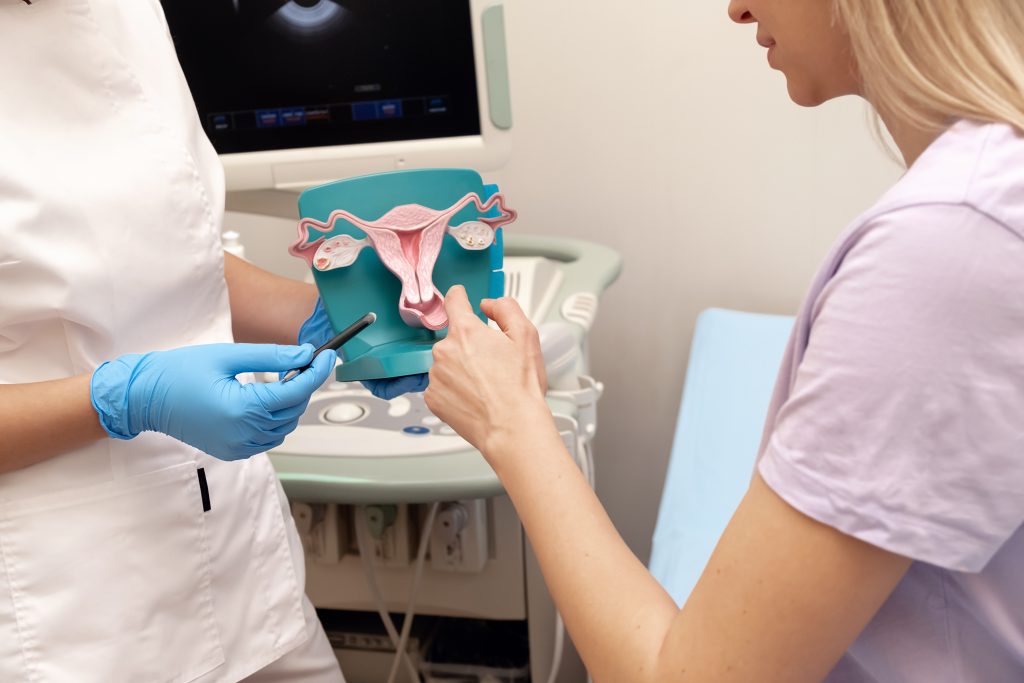
For nine months, you saw your obstetrician constantly. You had your blood pressure checked, your belly measured, and your questions answered every few weeks. Then, you had your baby. Suddenly, the intense medical focus shifted entirely to your newborn, and you were sent home with a tiny human, a peri bottle, and instructions to come back in six weeks. The “fourth trimester”—the 12 weeks following birth—is a period of immense physical and emotional transition. Yet, many women feel adrift during this time, assuming that if they are surviving, they are recovering. Your 6-week postpartum visit is not just a formality to get cleared for exercise and sex. It is a comprehensive evaluation of your physical healing, your mental health, and your transition into motherhood. Here is what actually happens at this appointment and why it is one of the most important visits of your pregnancy journey. The Physical Recovery Check The most immediate focus of your postpartum visit is ensuring your body is healing correctly from childbirth. Your provider will perform a physical exam, which typically includes: This is also the time to discuss any lingering physical symptoms. Are you still experiencing vaginal bleeding or unusual discharge? Are you having pain during urination or bowel movements? Are you dealing with hemorrhoids or pelvic pressure? These are common, but they are not things you simply have to endure. Mental Health: The Invisible Recovery May is Maternal Mental Health Awareness Month, making it the perfect time to emphasize that your emotional recovery is just as critical as your physical healing. The “baby blues”—feelings of sadness, anxiety, or mood swings—are incredibly common in the first two weeks after birth, affecting up to 80 percent of new mothers. However, if these feelings persist beyond two weeks, or if they are severe enough to interfere with your ability to care for yourself or your baby, it may be postpartum depression (PPD) or postpartum anxiety (PPA). [5] During your 6-week visit, your provider will screen you for postpartum depression. [6] This is not a test you can fail; it is a tool to get you the support you need. Be honest about how you are feeling. If you are struggling with intrusive thoughts, overwhelming anxiety, or a persistent sense of hopelessness, tell your provider. Postpartum mood disorders are highly treatable with therapy, medication, or a combination of both. Discussing Your Future: Contraception and Beyond Even if you are exclusively breastfeeding, and even if your period has not returned, you can still get pregnant very soon after giving birth. Your 6-week visit is the ideal time to discuss your family planning goals and choose a contraceptive method that fits your needs. [7] Your provider will review your options, which may include: This is also the appointment where you will typically be cleared to resume sexual intercourse and moderate exercise. However, “cleared” does not mean you have to be ready. If you are experiencing pelvic pain, vaginal dryness (common if you are breastfeeding), or simply a lack of desire, discuss this with your provider. They can offer solutions, such as estrogen cream or a referral to a pelvic floor physical therapist. [8] Don’t Skip This Visit The American College of Obstetricians and Gynecologists (ACOG) now recommends that postpartum care be an ongoing process, rather than a single encounter, with a comprehensive visit occurring no later than 12 weeks after birth. [9] You are exhausted. You are busy. Finding childcare or bringing a newborn to a doctor’s appointment is challenging. But your health matters just as much as your baby’s. If you are approaching your 6-week mark, or if you are currently pregnant and planning ahead, ensure your postpartum checkup is on the calendar. Schedule your appointment with Women’s Integrated Healthcare to ensure your recovery is on track and you have the support you need for the fourth trimester. References [1] American College of Obstetricians and Gynecologists. (2024). What to Expect at a Postpartum Checkup. https://www.acog.org/womens-health/experts-and-stories/the-latest/what-to-expect-at-a-postpartum-checkup-and-why-the-visit-matters [2] March of Dimes. (2024). Your postpartum checkups. https://www.marchofdimes.org/find-support/topics/postpartum/your-postpartum-checkups [3] Columbia University Irving Medical Center. (2021). A Mother’s Guide to the Fourth Trimester. https://www.cuimc.columbia.edu/news/mothers-guide-fourth-trimester [4] The Vag Whisperer. (2021). Your 6 Week Postpartum Checkup Explained. https://thevagwhisperer.com/2021/12/23/six-week-appointment/ [5] American Academy of Family Physicians. (2019). Postpartum Care: An Approach to the Fourth Trimester. https://www.aafp.org/pubs/afp/issues/2019/1015/p485.html [6] American College of Obstetricians and Gynecologists. (2018). Optimizing Postpartum Care. https://www.acog.org/clinical/clinical-guidance/committee-opinion/articles/2018/05/optimizing-postpartum-care [7] American College of Obstetricians and Gynecologists. (2024). My Postpartum Care Checklist. https://www.acog.org/womens-health/health-tools/my-postpartum-care-checklist [8] Optum. (2023). What to expect at your postpartum check-up. https://east.optum.com/blog/what-to-expect-at-your-postpartum-check-up/ [9] National Center for Biotechnology Information. (2024). Postpartum Care of the New Mother. https://www.ncbi.nlm.nih.gov/books/NBK565875/
Navigating Perimenopause: When Your Body Starts the Transition
At 47, Diana thought she was losing her mind. The Dallas marketing executive had always been sharp, organized, and even-tempered. But lately, she couldn’t remember simple words in meetings, she’d wake up drenched in sweat at 3 AM, and she snapped at her family over the smallest things. Her periods had become unpredictable—sometimes three weeks apart, sometimes two months. When she mentioned it to a friend, the response was immediate: “Welcome to perimenopause.” The transition to menopause is one of the most significant hormonal shifts you’ll experience in your lifetime. Yet many women enter this phase with little understanding of what’s happening or how to manage it. If you’re in your forties and noticing changes in your body, mood, or cycles, you’re not alone. Let’s break down what perimenopause really is and what you can do about it. What Is Perimenopause? Perimenopause literally means “around menopause.” It’s the transitional period when your ovaries gradually produce less estrogen, progesterone, and testosterone. This phase can last anywhere from a few months to ten years, with an average duration of four years. You’re officially in menopause when you’ve gone twelve consecutive months without a period. Everything before that final period is perimenopause. Timeline: According to the North American Menopause Society, during perimenopause your hormone levels don’t just decline gradually—they fluctuate wildly. One month your estrogen might be normal, the next it’s sky-high, then it crashes. These erratic swings cause many of the symptoms women experience. The Most Common Perimenopause Symptoms Menstrual Changes: This is often the first sign. Your previously regular cycles become unpredictable: Hot Flashes and Night Sweats: Up to 80 percent of women experience these. A hot flash feels like sudden, intense heat spreading through your upper body and face, often accompanied by: Sleep Disruption: Even without night sweats, many women develop insomnia or poor sleep quality during perimenopause. Mood Changes: Hormonal fluctuations affect neurotransmitters, leading to: Cognitive Changes: Often called “brain fog”: Physical Changes: Sexual and Vaginal Changes: Managing Perimenopause Symptoms Lifestyle Modifications: For Hot Flashes: For Sleep: For Weight Management: Prescription Treatments: Hormone Replacement Therapy (HRT): Other Medications: When to Seek Help Contact your provider if you experience: Make This Transition Manageable Perimenopause doesn’t have to be a time of suffering. With the right information, support, and treatment, you can navigate this transition while maintaining your quality of life. At Women’s Integrated Healthcare, we specialize in helping women navigate perimenopause with personalized treatment plans. We stay current on the latest research and offer the full spectrum of options—from lifestyle guidance to hormone therapy to non-hormonal medications. Schedule a consultation today and take control of your perimenopause journey. References:
Yeast Infections: Prevention Strategies That Actually Work in 2026
Yeast infections are incredibly common, affecting approximately 75 percent of women at least once in their lifetime, with nearly half experiencing two or more episodes. Understanding why some women are more susceptible and implementing evidence-based prevention strategies can break this frustrating cycle. Understanding Yeast Infections Candidiasis (the medical term for yeast infections) occurs when Candida fungus, which normally lives in your vagina in small amounts, overgrows and causes symptoms. Common Symptoms Include: The incidence of vaginal yeast infections is estimated at 200-500 cases per 1,000 women per year, making it one of the most frequent reasons women seek gynecological care.Why Some Women Are More Susceptible Certain women are at greater risk for developing recurrent yeast infections: Hormonal Factors: Medical Conditions: Antibiotic Use:This is one of the most common triggers. Antibiotics kill beneficial bacteria that normally keep yeast populations in check. Taking antibiotics for a sinus infection, strep throat, or UTI can trigger a yeast infection days later. Lifestyle Factors: The Sugar-Yeast Connection While debated for years, research increasingly supports the link between sugar consumption and yeast infections. Candida thrives on glucose. When your diet is high in refined carbohydrates and sugar, you’re essentially feeding the yeast. The Mechanism: This doesn’t mean you need to eliminate all carbs, but moderating sugar intake, especially if you’re prone to yeast infections, makes a difference. Prevention Strategies That Work 1. Dietary Modifications Reduce Sugar and Refined Carbs: Eat Probiotic-Rich Foods: Increase Anti-Fungal Foods: 2. Clothing and Hygiene Practices Choose the Right Underwear: Post-Exercise Habits: Swimming Precautions: Avoid Irritants: 3. Medication Management Antibiotic Prevention Protocol:If you need antibiotics, ask your provider about taking probiotics simultaneously. Some evidence suggests this may reduce your risk of developing a yeast infection, though timing matters (take probiotics a few hours apart from antibiotics). Birth Control Considerations:If you’re experiencing recurrent yeast infections on hormonal birth control, discuss alternatives with your provider. Lower-estrogen formulations or non-hormonal options might help. 4. Probiotic Supplementation While research is still evolving, certain probiotic strains show promise for preventing yeast infections: Lactobacillus rhamnosus GR-1 and Lactobacillus reuteri RC-14:These specific strains have been studied for vaginal health. They can be taken orally (they migrate to the vaginal tract) or used as vaginal suppositories. Dosage:Look for supplements with at least 1 billion CFUs (colony-forming units). Take daily, especially during and after antibiotic courses. Important Note: Not all probiotics are created equal. The strains studied for vaginal health are specific and general gut health probiotics may not provide the same benefit. 5. Manage Underlying Conditions Blood Sugar Control:If you have diabetes, prediabetes, or PCOS, optimal blood sugar management significantly reduces yeast infection risk. Work with your provider to: Stress Reduction:Chronic stress weakens your immune system and disrupts hormonal balance. Both make you more vulnerable to infections. Incorporate daily stress management: 6. Sexual Health Practices During Intercourse: Barrier Methods: When to See Your Provider Don’t assume every vaginal symptom is a yeast infection. Several conditions cause similar symptoms: Bacterial Vaginosis (BV):Causes discharge with a fishy odor, unlike the odorless discharge of yeast infections. BV requires antibiotic treatment. Trichomoniasis:A sexually transmitted infection that causes frothy, yellow-green discharge and irritation. Requires prescription medication. Contact Dermatitis:Allergic reaction to soaps, detergents, or other products. Symptoms improve when you stop using the irritant. Lichen Sclerosus:A chronic skin condition causing white patches and severe itching. Requires specific treatment. Vulvodynia:Chronic vulvar pain without clear cause. Needs specialized management. See your provider if: Self-diagnosis is often incorrect. Studies show that only about one-third of women who self-diagnose yeast infections actually have one.Treatment Options Over-the-Counter Antifungals: Available as one-day, three-day, or seven-day treatments. Longer courses may be more effective for severe infections. Prescription Medications: Boric Acid:For resistant or recurrent infections, boric acid vaginal suppositories (600 mg for 14 days) can be effective. This is prescription-only and should never be taken orally (it’s toxic if swallowed). Recurrent Yeast Infections: When Standard Treatment Isn’t Enough If you’re experiencing four or more yeast infections per year, you have what’s called recurrent vulvovaginal candidiasis (RVVC). This affects about 5-8 percent of women. Possible Causes: Advanced Treatment Approaches: The Bottom Line Yeast infections are frustrating but usually manageable with the right approach. Prevention is more effective than constantly treating infections after they occur. As you start the new year, consider this your opportunity to break the yeast infection cycle. Small changes in diet, clothing choices, hygiene practices, and stress management compound over time to create an environment where yeast can’t thrive. If you’ve been dealing with recurrent infections despite your best prevention efforts, it’s time for a comprehensive evaluation. There may be underlying factors that need to be addressed for you to find lasting relief. At Women’s Integrated Healthcare, we don’t just prescribe antifungal medication and send you on your way. We investigate why you’re experiencing recurrent infections and develop a personalized prevention plan based on your unique risk factors and medical history. You don’t have to accept chronic yeast infections as your new normal. Schedule a consultation and start 2026 infection-free. References: American College of Obstetricians and Gynecologists. (n.d.). Vulvovaginal Candidiasis. Retrieved from https://www.acog.org Centers for Disease Control and Prevention. (n.d.). Vaginal Candidiasis. Retrieved from https://www.cdc.gov Journal of Lower Genital Tract Disease. (2019). Recurrent Vulvovaginal Candidiasis. Retrieved from https://journals.lww.com
When Do You Stop Being Fertile? Understanding Your Reproductive Timeline

At 38, Michelle sat in her Fort Worth office staring at the pregnancy announcement from her 42-year-old colleague. She’d been focused on her career for years, always assuming she’d have time to think about children later. But lately, friends had been sharing their struggles with infertility, and she’d seen headlines about fertility declining with age. Now the question kept her awake at night: How much time did she actually have left? Understanding your fertility timeline is one of the most important aspects of reproductive health, yet many women receive confusing or conflicting information. Whether you’re planning to start a family soon, later, or not at all, knowing the facts about fertility decline empowers you to make informed decisions about your future. The Biological Reality of Fertility Decline Let’s start with the science: women are born with all the eggs they’ll ever have. Unlike men, who produce new sperm continuously, your ovarian reserve is fixed from birth. The Numbers: But quantity isn’t the only factor. Egg quality declines significantly with age, which is why fertility drops even before your egg supply is depleted.Fertility by Decade Your 20s:This is peak fertility territory. Women in their twenties have approximately a 25-30 percent chance of conceiving each cycle when timing intercourse optimally. Miscarriage risk is lowest, around 10-15 percent. However, many women in their twenties aren’t ready to start families due to education, career, or relationship timing. Your Early 30s (30-34):Fertility remains relatively strong. Your monthly conception chance is around 20 percent. Miscarriage risk increases slightly to 15-20 percent. This is when many women begin trying to conceive, often with success within a year. Your Late 30s (35-39):This is when fertility decline accelerates noticeably. At 35, your monthly conception chance drops to about 15 percent. By 39, it’s closer to 10 percent. Miscarriage risk climbs to 20-35 percent. Genetic abnormalities become more common as egg quality decreases. Your 40s:Fertility drops significantly. At 40, monthly conception chance is around 5 percent. By 45, it’s less than 1 percent. Miscarriage risk exceeds 50 percent after age 42. Chromosomal abnormalities like Down syndrome become much more common. After 45:While not impossible, natural conception becomes extremely rare. Most women enter perimenopause (the transition to menopause) between 45 and 55. Understanding Perimenopause and Menopause Perimenopause:This transitional phase begins on average around age 47 but can start as early as the late 30s. During perimenopause: Menopause:Officially diagnosed after 12 consecutive months without a period. The average age is 51, but the range is wide (45-55 is normal). Once you reach menopause: Important Note: You can still get pregnant during perimenopause. Don’t discontinue birth control until you’ve been period-free for a full year if you want to avoid pregnancy. Factors That Affect Your Fertility Timeline Several factors influence when your fertility declines: Genetics:If your mother or sisters experienced early menopause, you may too. Family history is one of the strongest predictors of your reproductive timeline. Medical Conditions: Lifestyle Factors: Medical Treatments: Previous Ovarian Surgeries:Procedures that remove ovarian cysts or treat endometriosis can reduce your egg reserve, potentially moving up your fertility timeline. Fertility Testing: What Are Your Options? If you’re concerned about your fertility timeline, several tests provide valuable information: Anti-Müllerian Hormone (AMH):This blood test measures your ovarian reserve. Higher levels indicate more eggs remaining. However, AMH doesn’t predict egg quality or guarantee conception success. It’s most useful for understanding how much time you likely have left. Follicle-Stimulating Hormone (FSH):Measured on day three of your cycle, elevated FSH suggests declining ovarian reserve. Your ovaries need more stimulation to produce eggs, signaling reduced fertility. Antral Follicle Count (AFC):During an ultrasound, your provider counts small follicles in your ovaries. Higher counts suggest better ovarian reserve. This test is often done alongside AMH testing. Ovarian Reserve Testing:Combines AMH, FSH, and AFC for a comprehensive picture of your remaining fertility. These tests can’t tell you exactly when you’ll stop being fertile, but they provide useful data for family planning decisions. Exploring Your Fertility Options If testing reveals declining fertility or you’re approaching 40 without a partner or desire to conceive soon, consider these options: Egg Freezing:Freezing your eggs at a younger age preserves higher-quality eggs for future use. This buys time if you’re not ready for children now but want biological children later. Success rates depend heavily on the age at which eggs are frozen—freezing in your early 30s yields better results than waiting until your late 30s or 40s. Embryo Freezing:If you have a partner, freezing embryos (fertilized eggs) often has higher success rates than freezing unfertilized eggs. Embryos are more resilient through the freeze-thaw process. Fertility Treatment:If you’re actively trying to conceive and not succeeding, fertility treatments can help: The earlier you seek help, the more options you have and the better your chances of success. Alternative Paths to Parenthood:If biological children aren’t possible or desirable, adoption and foster care offer fulfilling paths to parenthood. The Mental and Emotional Aspect Facing fertility decline can trigger intense emotions: Grief:Many women grieve the loss of fertility, even if they’re not certain they want children. The closing of that option can feel like a significant life transition. Regret:“I wish I’d started trying earlier” is a common refrain. While it’s natural to look back, dwelling on what-ifs isn’t productive. Focus on what options remain available now. Pressure:Society, family, and your own internal clock can create intense pressure. Remember that your reproductive choices are deeply personal. Relief:Some women feel relieved to know where they stand. Certainty, even if the news isn’t ideal, can be empowering. Anxiety:Worrying about fertility can consume your thoughts. If anxiety is interfering with your daily life, consider speaking with a therapist who specializes in reproductive health. Common Myths About Fertility and Age Let’s dispel some misconceptions: Myth: “If I’m still having regular periods, I’m fertile.”Reality: You can have regular periods with poor egg quality. Ovulation doesn’t guarantee viable eggs. Myth: “Celebrities have babies in their 40s all the time—I can too.”Reality: Many use donor eggs or IVF with eggs frozen when they were
Understanding Period Tension Headaches: Why Your Cycle Triggers Migraines and What to Do
Rachel knew exactly when to expect it. Like clockwork, two days before her period started, the headache would begin. A dull ache at the base of her skull that radiated up and over her head, accompanied by neck stiffness that made turning her head painful. By day one of her cycle, she’d be reaching for ibuprofen every four hours, barely functional at work. For years, she assumed this was just part of being a woman. It wasn’t until a conversation with her gynecologist that she learned her “normal” wasn’t inevitable. If you experience headaches in the days before or during your period, you’re far from alone. Studies show that up to 60 percent of women with migraines report menstrual triggers, and tension headaches are even more common. Understanding the connection between your cycle and head pain is the first step toward finding real relief.Why Your Period Triggers Headaches Menstrual headaches aren’t in your head (well, they are, but you know what we mean). They’re driven by real, measurable hormonal changes: Estrogen Withdrawal:Just before your period begins, estrogen levels drop dramatically. This sudden decline affects serotonin levels in your brain, which influences pain perception and blood vessel dilation. The result? Headaches or migraines. Prostaglandin Release:These hormone-like compounds trigger uterine contractions during menstruation, but they also promote inflammation throughout your body. Elevated prostaglandins can cause headaches, body aches, and that overall “blah” feeling. Progesterone Changes:As progesterone drops alongside estrogen, the combined hormonal shift can affect your nervous system’s pain threshold, making you more sensitive to headache triggers. Inflammation and Water Retention:Hormonal fluctuations cause fluid retention, which can increase pressure around your brain and sinuses, triggering tension-type headaches. Types of Menstrual Headaches Not all period-related headaches are the same: Menstrual Migraines:These are intense, throbbing headaches typically on one side of the head. They may include nausea, sensitivity to light and sound, and visual disturbances (aura). Menstrual migraines typically occur in the two days before your period through the first three days of bleeding. Tension Headaches:These feel like a tight band around your head or pressure at the base of your skull. Neck stiffness and shoulder tension often accompany them. They’re usually less severe than migraines but can last for days. Hormonal Headaches:These occur specifically due to estrogen fluctuations and may appear during ovulation, before your period, or during perimenopause. They often improve with pregnancy or menopause when hormones stabilize. Cervicogenic Headaches:These originate from neck problems but feel like headaches. Hormonal changes during your period can increase inflammation in cervical joints, triggering referred pain in your head. The Neck-Period Connection Many women notice neck pain accompanies their period headaches. Here’s why: Muscle Tension:Hormonal changes affect neurotransmitters that regulate muscle tone. During your period, you may unconsciously tense your neck and shoulder muscles, creating trigger points that refer pain to your head. Inflammation:Prostaglandins don’t just affect your uterus. They can increase inflammation in joints throughout your body, including those in your cervical spine. Sleep Disruption:Period symptoms like cramps and heavy bleeding often disrupt sleep. Poor sleep posture or tossing and turning can strain neck muscles, contributing to morning headaches. Stress Response:Many women experience increased stress or anxiety around their period (thanks again to hormonal shifts). Stress causes you to hold tension in your neck and jaw, creating the perfect conditions for tension headaches. Tracking Your Headache Pattern Before you can effectively treat menstrual headaches, you need to identify your pattern. Keep a headache diary for at least three months, noting: This information helps your provider determine if your headaches are truly menstrual and develop the most effective treatment plan.Immediate Relief Strategies When a menstrual headache strikes, try these evidence-based approaches: First-Line Treatment: Neck-Focused Relief: Natural Approaches: Prevention Strategies The best headache is the one that never happens: Lifestyle Modifications: Consistent Sleep Schedule:Go to bed and wake up at the same time daily, even on weekends. This helps stabilize hormones and reduces headache triggers. Regular Meals:Don’t skip meals, especially in the week before your period. Low blood sugar is a common headache trigger that’s easily avoided. Stress Management:Practice daily stress reduction techniques like deep breathing, meditation, yoga, or progressive muscle relaxation. Chronic stress amplifies hormonal fluctuations. Regular Exercise:Moderate aerobic exercise (walking, swimming, cycling) for 30 minutes most days helps regulate hormones and reduces inflammation. Avoid intense exercise during your period if it worsens symptoms. Limit Trigger Foods:Common culprits include aged cheeses, processed meats, alcohol (especially red wine), artificial sweeteners, and MSG. Keep a food diary to identify your personal triggers. Stay Hydrated:Dehydration worsens headaches. Increase water intake in the days before your period. Nutritional Support Certain nutrients can help prevent menstrual headaches: Magnesium:This mineral helps regulate neurotransmitters and blood vessel function. Many women are deficient. Consider 400-500 mg daily, especially in the two weeks before your period. Food sources include dark leafy greens, nuts, seeds, and whole grains. Vitamin B2 (Riboflavin):Studies show 400 mg daily can reduce migraine frequency by up to 50 percent. Give it three months to see full effects. Omega-3 Fatty Acids:These anti-inflammatory fats from fish oil can reduce prostaglandin production and headache frequency. Coenzyme Q10:This antioxidant may reduce migraine frequency when taken at 100-300 mg daily. Always consult your provider before starting supplements, especially if you’re taking other medications. Medical Treatment Options If lifestyle changes aren’t enough, several medical treatments can help: Preventive Medications: Acute Treatment: Hormonal Approaches: When Period Headaches Signal Something More While menstrual headaches are common, certain patterns warrant medical evaluation: Contact your provider if you experience: These could indicate migraines requiring specialized treatment, or rarely, more serious conditions. Special Considerations for Different Life Stages Women in Their 20s and 30s:Menstrual migraines often peak during these years. Birth control can be an effective prevention strategy while also providing contraception. Perimenopause:Headaches often worsen during the transition to menopause due to erratic hormone fluctuations. They typically improve once menopause is complete. Postpartum:Hormonal shifts after delivery can trigger headaches, especially if you’re breastfeeding (which delays menstruation return). Stay hydrated and rest when possible. Post-Menopause:If menstrual headaches were your main type, they
New Year’s Wellness Reset: Post-Holiday Recovery for Women’s Hormonal Health
By January 2nd, Jennifer was exhausted. The Fort Worth accountant had powered through December’s deadlines, holiday parties, family gatherings, and late-night gift wrapping. Now her period was two weeks late, her skin was breaking out, and she couldn’t sleep despite feeling constantly drained. Her body was sending a clear message: something was off balance. The holidays take a toll on everyone, but for women, the aftermath often shows up as hormonal disruption. Late periods, worsened PMS, menopausal hot flashes, fatigue, and mood swings are your body’s way of asking for a reset. How Holidays Disrupt Hormonal Balance Several holiday habits throw hormones into chaos: Chronic Stress: December’s packed schedule triggers constant cortisol production. According to the American Psychological Association, elevated cortisol interferes with estrogen, progesterone, and thyroid hormone balance. Disrupted Sleep: Late nights and irregular sleep patterns affect melatonin production, which regulates reproductive hormones. The National Sleep Foundation notes that even a few nights of poor sleep can alter menstrual cycles. Blood Sugar Spikes: Holiday treats cause insulin surges, which promote inflammation and hormone imbalance. Over time, this can worsen conditions like PCOS or contribute to weight gain. Alcohol Consumption: Even moderate drinking affects liver function, your liver is responsible for metabolizing and clearing excess hormones. Skipped Exercise: Reduced physical activity lowers endorphins and affects hormone receptor sensitivity. Signs Your Hormones Need Attention Watch for these red flags: If you’re experiencing multiple symptoms, your hormones likely need support. The 7-Day Hormone Reset Start the new year with these science-backed strategies: Day 1-2: Stabilize Blood Sugar Day 3-4: Support Your Liver Your liver processes and eliminates excess hormones: Day 5-6: Restore Sleep Quality sleep is essential for hormone production: Day 7: Manage Stress Intentionally Chronic stress is the number-one hormone disruptor: Exercise for Hormonal Balance Movement supports hormone health, but the right type matters: Best Options: Avoid: Nutrition for Hormone Recovery Focus on these hormone-supporting foods: Healthy Fats: Fiber: Quality Protein: Micronutrient-Rich Foods: Supplements That May Help After consulting your provider, consider: Never start supplements without professional guidance, especially if you’re trying to conceive, pregnant, or have underlying health conditions. When to Seek Professional Help A hormone reset may not be enough if you have: These symptoms may indicate PCOS, thyroid dysfunction, perimenopause, or other conditions requiring medical treatment. Testing and Treatment Options At Women’s Integrated Healthcare, we offer: Make This Year Different January doesn’t require dramatic resolutions or punishing restrictions. Your body needs gentle, consistent support to restore hormonal balance after holiday disruption. Small changes compound over time: The new year is the perfect time to prioritize your hormonal wellness. Whether you’re dealing with post-holiday symptoms or long-standing hormonal issues, personalized medical guidance makes all the difference. At Women’s Integrated Healthcare, we specialize in identifying and treating hormonal imbalances at every life stage. Don’t start the year feeling off-balance. Schedule a consultation and take control of your hormonal health. References:
Boosting Immunity This Winter: Tips for Pregnant Women and New Moms

Sarah, a new mom in Southlake, watched her six-month-old battle her third cold in as many months. Exhausted from sleepless nights and worried about her own health, she wondered why they kept getting sick. A conversation with her provider revealed that sleep deprivation, postpartum stress, and skipped meals were weakening her immune system, making her more vulnerable to every bug her baby brought home. Winter brings increased exposure to colds, flu, and respiratory infections. For pregnant women and new mothers, maintaining a strong immune system isn’t just about avoiding illness, it’s about protecting your health and your baby’s wellbeing. How Pregnancy Affects Your Immune System During pregnancy, your immune system naturally adjusts to protect your growing baby. According to research published by the National Institutes of Health, these changes make pregnant women more susceptible to certain infections. Your body: This doesn’t mean you’re defenseless, it means you need to be more intentional about immune support. Postpartum Immunity Challenges New motherhood brings its own immunity obstacles: The American Academy of Pediatrics notes that newborns under three months have underdeveloped immune systems, making your health even more critical. Essential Immune-Boosting Strategies Prioritize Sleep (As Much As Possible): Maintain Proper Nutrition: Stay Hydrated: Moderate Exercise: Vaccinations: Your First Line of Defense Don’t skip these critical immunizations: During Pregnancy: Postpartum: These vaccines protect both you and your baby through antibody transfer during pregnancy and breastfeeding. Reduce Germ Exposure Smart prevention strategies: Manage Stress Effectively Chronic stress significantly weakens immunity. The American Psychological Association confirms that stress hormones suppress immune function. Try These Techniques: Breastfeeding Benefits If you’re breastfeeding, you’re already providing powerful immune support to your baby. Breast milk contains: Breastfeeding also helps postpartum mothers by: Supplement Wisely Before taking any supplement, consult your healthcare provider. Some options that may be recommended: Avoid megadoses or untested herbal supplements without medical guidance. When to Seek Medical Care Contact your provider if you develop: Early intervention prevents complications and faster recovery. Special Considerations for High-Risk Women If you have conditions that affect immunity—such as diabetes, asthma, autoimmune disorders, or are taking immunosuppressive medications—work closely with your healthcare team to develop a personalized protection plan. Create Your Immunity Action Plan Strong immunity during pregnancy and postpartum doesn’t happen by accident—it requires consistent, intentional habits. While you can’t avoid every cold or infection, you can significantly reduce your risk and recover faster when illness does strike. At Women’s Integrated Healthcare, we provide comprehensive care that addresses your immune health through every stage of pregnancy and postpartum recovery. Our providers offer personalized strategies based on your unique health history and circumstances. Schedule a consultation to strengthen your defenses this winter. References:
Holiday Nutrition for Expecting Moms: Healthy Eating Amid Festive Feasts

Maria sat at her family’s Thanksgiving table, plate piled high with turkey, stuffing, and sweet potato casserole. Halfway through her second trimester, she felt guilty about the indulgence but didn’t want to explain her food choices to curious relatives. By dessert, she was uncomfortably full and worried she’d derailed her healthy eating goals. The holidays shouldn’t mean choosing between enjoying traditions and nourishing your growing baby. With a balanced approach, you can savor festive meals while meeting your nutritional needs during pregnancy. Why Holiday Nutrition Matters Pregnancy increases your nutrient requirements, but that doesn’t mean eating for two in quantity, it means eating smarter. According to the American College of Obstetricians and Gynecologists (ACOG), most pregnant women need only an extra 300 calories daily in the second and third trimesters. During the holidays, when calorie-dense foods are everywhere, focusing on nutrient density becomes especially important. Your baby needs consistent vitamins, minerals, and protein—not just extra sugar and saturated fat. Building Your Holiday Plate Use these strategies to create satisfying, nutritious holiday meals: Start with Protein: Load Up on Vegetables: Choose Complex Carbs: Add Healthy Fats: Navigating Holiday Challenges The Dessert Dilemma: You don’t have to skip dessert, just be selective. Choose one treat you truly love rather than sampling everything. A small slice of pie with a dollop of whipped cream satisfies without derailing your nutrition. Managing Morning Sickness: If you’re in your first trimester during holiday meals, strong smells and rich foods might trigger nausea. Keep bland crackers handy, eat smaller portions more frequently, and don’t force yourself to finish your plate. Staying Hydrated: Holiday beverages are often sugary sodas, alcohol (off-limits during pregnancy), or caffeinated options. Keep a water bottle with lemon or sparkling water with fresh fruit nearby. Aim for eight to ten glasses daily. Handling Food Safety: Be extra cautious with holiday buffets: Smart Swaps for Traditional Favorites Make holiday classics pregnancy-friendly: Dealing with Food Pressure Well-meaning relatives might encourage you to “eat more” or question your choices. Prepare polite responses: You don’t owe anyone detailed explanations about your pregnancy eating decisions. Post-Feast Recovery If you do overindulge, don’t stress: Foods to Emphasize Year-Round Beyond the holidays, focus on these pregnancy powerhouses: Get Expert Support Pregnancy nutrition doesn’t have to be complicated, but individual needs vary based on your health history, weight, and any pregnancy complications. Whether you’re managing gestational diabetes, struggling with food aversions, or simply want reassurance about your eating habits, personalized guidance makes all the difference. At Women’s Integrated Healthcare, our team provides comprehensive nutritional counseling tailored to your pregnancy journey. We’ll help you create a realistic eating plan that works for your lifestyle, holidays included. Schedule a consultation and enter the new year feeling confident about nourishing yourself and your baby. References: U.S. Department of Agriculture. (n.d.). MyPlate for Pregnancy and Breastfeeding. Retrieved from https://www.myplate.gov
Safe Remedies for Winter Colds During Pregnancy: Is Zicam (or Anything OTC) Okay?

Jessica stood in the pharmacy aisle, tissue box tucked under one arm, staring at rows of cold medications. Eight months pregnant and miserable with a stuffy nose, she reached for the Zicam, then hesitated. Was it safe? She left empty-handed, unsure what she could take. Catching a cold during pregnancy is frustrating, especially when your usual go-to remedies are suddenly off-limits. With your immune system naturally suppressed to protect your growing baby, you’re more susceptible to infections. Understanding which over-the-counter options are safe can help you find relief without worry. Is Zicam Safe During Pregnancy? Zicam contains zinc, which is generally considered safe during pregnancy when used in recommended amounts. The American College of Obstetricians and Gynecologists (ACOG) notes that zinc is an essential mineral, and dietary supplementation is often recommended. However, the nasal spray and swab versions of Zicam have been associated with loss of smell in some users. While these formulations are still available, many pregnant women prefer to avoid nasal zinc products. The oral lozenges may be a better option, but always consult your provider first. Safe OTC Cold Remedies for Pregnancy During your first trimester, it’s best to avoid most medications when possible. After that, certain options are generally considered safe: For Congestion: For Cough: For Pain and Fever: What to Avoid: Natural Remedies That Actually Help Sometimes the simplest solutions are the safest: When to Call Your Provider Most colds resolve on their own within a week, but contact your healthcare team if you experience: These could signal a more serious infection requiring prescription treatment. Prevention Is Your Best Defense Boost your immunity this winter by: Get Personalized Guidance Every pregnancy is unique, and what’s safe for one woman may not be ideal for another. Before reaching for any medication it’s worth a quick call to your provider. At Women’s Integrated Healthcare, we’re here to guide you through every cold season question. Don’t suffer in silence or second-guess yourself in the pharmacy aisle. Schedule a consultation and get clear answers about which remedies are right for you and your baby. References: Centers for Disease Control and Prevention. (n.d.). Pregnant? Get the Whooping Cough Vaccine. Retrieved from https://www.cdc.gov
Staying Healthy During the Holidays: Managing Stress for Better Women’s Health

Rachel, a 45-year-old Fort Worth entrepreneur, loved holiday gatherings but felt drained by December’s chaos. Last year, her periods became irregular, and hot flashes worsened, leaving her frazzled. A visit to Women’s Integrated Healthcare revealed stress was amplifying her perimenopause symptoms. With tailored strategies, Rachel now navigates the holidays with energy and calm. The holiday season brings joy but often stress, impacting your physical and mental health. Here’s how to manage it this holiday season. How Stress Affects Women’s Health Stress disrupts the hypothalamic-pituitary-ovarian axis, per the American Psychological Association (APA). This can cause: Practical Stress Management Strategies Take control with these tips: The National Institute of Mental Health (NIMH) notes consistent stress management improves health. When Stress Affects Your Body Symptoms like irregular periods or fatigue may indicate PCOS or thyroid issues. Our in-office diagnostics, like hormone testing, identify causes. Treatments include lifestyle counseling and hormonal therapies. Holiday-Specific Tips Stay grounded this season: Take Charge This Season Don’t let holiday stress compromise your health. Schedule a consultation today. References: