Understanding Period Tension Headaches: Why Your Cycle Triggers Migraines and What to Do
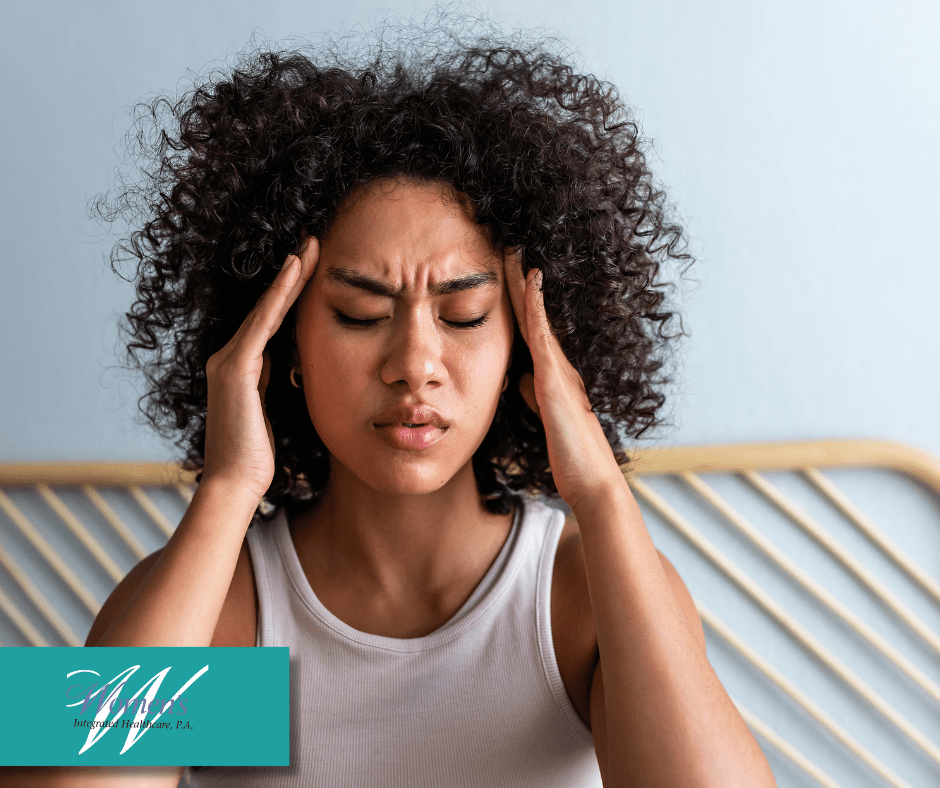
Rachel knew exactly when to expect it. Like clockwork, two days before her period started, the headache would begin. A dull ache at the base of her skull that radiated up and over her head, accompanied by neck stiffness that made turning her head painful. By day one of her cycle, she’d be reaching for ibuprofen every four hours, barely functional at work. For years, she assumed this was just part of being a woman. It wasn’t until a conversation with her gynecologist that she learned her “normal” wasn’t inevitable. If you experience headaches in the days before or during your period, you’re far from alone. Studies show that up to 60 percent of women with migraines report menstrual triggers, and tension headaches are even more common. Understanding the connection between your cycle and head pain is the first step toward finding real relief.Why Your Period Triggers Headaches Menstrual headaches aren’t in your head (well, they are, but you know what we mean). They’re driven by real, measurable hormonal changes: Estrogen Withdrawal:Just before your period begins, estrogen levels drop dramatically. This sudden decline affects serotonin levels in your brain, which influences pain perception and blood vessel dilation. The result? Headaches or migraines. Prostaglandin Release:These hormone-like compounds trigger uterine contractions during menstruation, but they also promote inflammation throughout your body. Elevated prostaglandins can cause headaches, body aches, and that overall “blah” feeling. Progesterone Changes:As progesterone drops alongside estrogen, the combined hormonal shift can affect your nervous system’s pain threshold, making you more sensitive to headache triggers. Inflammation and Water Retention:Hormonal fluctuations cause fluid retention, which can increase pressure around your brain and sinuses, triggering tension-type headaches. Types of Menstrual Headaches Not all period-related headaches are the same: Menstrual Migraines:These are intense, throbbing headaches typically on one side of the head. They may include nausea, sensitivity to light and sound, and visual disturbances (aura). Menstrual migraines typically occur in the two days before your period through the first three days of bleeding. Tension Headaches:These feel like a tight band around your head or pressure at the base of your skull. Neck stiffness and shoulder tension often accompany them. They’re usually less severe than migraines but can last for days. Hormonal Headaches:These occur specifically due to estrogen fluctuations and may appear during ovulation, before your period, or during perimenopause. They often improve with pregnancy or menopause when hormones stabilize. Cervicogenic Headaches:These originate from neck problems but feel like headaches. Hormonal changes during your period can increase inflammation in cervical joints, triggering referred pain in your head. The Neck-Period Connection Many women notice neck pain accompanies their period headaches. Here’s why: Muscle Tension:Hormonal changes affect neurotransmitters that regulate muscle tone. During your period, you may unconsciously tense your neck and shoulder muscles, creating trigger points that refer pain to your head. Inflammation:Prostaglandins don’t just affect your uterus. They can increase inflammation in joints throughout your body, including those in your cervical spine. Sleep Disruption:Period symptoms like cramps and heavy bleeding often disrupt sleep. Poor sleep posture or tossing and turning can strain neck muscles, contributing to morning headaches. Stress Response:Many women experience increased stress or anxiety around their period (thanks again to hormonal shifts). Stress causes you to hold tension in your neck and jaw, creating the perfect conditions for tension headaches. Tracking Your Headache Pattern Before you can effectively treat menstrual headaches, you need to identify your pattern. Keep a headache diary for at least three months, noting: This information helps your provider determine if your headaches are truly menstrual and develop the most effective treatment plan.Immediate Relief Strategies When a menstrual headache strikes, try these evidence-based approaches: First-Line Treatment: Neck-Focused Relief: Natural Approaches: Prevention Strategies The best headache is the one that never happens: Lifestyle Modifications: Consistent Sleep Schedule:Go to bed and wake up at the same time daily, even on weekends. This helps stabilize hormones and reduces headache triggers. Regular Meals:Don’t skip meals, especially in the week before your period. Low blood sugar is a common headache trigger that’s easily avoided. Stress Management:Practice daily stress reduction techniques like deep breathing, meditation, yoga, or progressive muscle relaxation. Chronic stress amplifies hormonal fluctuations. Regular Exercise:Moderate aerobic exercise (walking, swimming, cycling) for 30 minutes most days helps regulate hormones and reduces inflammation. Avoid intense exercise during your period if it worsens symptoms. Limit Trigger Foods:Common culprits include aged cheeses, processed meats, alcohol (especially red wine), artificial sweeteners, and MSG. Keep a food diary to identify your personal triggers. Stay Hydrated:Dehydration worsens headaches. Increase water intake in the days before your period. Nutritional Support Certain nutrients can help prevent menstrual headaches: Magnesium:This mineral helps regulate neurotransmitters and blood vessel function. Many women are deficient. Consider 400-500 mg daily, especially in the two weeks before your period. Food sources include dark leafy greens, nuts, seeds, and whole grains. Vitamin B2 (Riboflavin):Studies show 400 mg daily can reduce migraine frequency by up to 50 percent. Give it three months to see full effects. Omega-3 Fatty Acids:These anti-inflammatory fats from fish oil can reduce prostaglandin production and headache frequency. Coenzyme Q10:This antioxidant may reduce migraine frequency when taken at 100-300 mg daily. Always consult your provider before starting supplements, especially if you’re taking other medications. Medical Treatment Options If lifestyle changes aren’t enough, several medical treatments can help: Preventive Medications: Acute Treatment: Hormonal Approaches: When Period Headaches Signal Something More While menstrual headaches are common, certain patterns warrant medical evaluation: Contact your provider if you experience: These could indicate migraines requiring specialized treatment, or rarely, more serious conditions. Special Considerations for Different Life Stages Women in Their 20s and 30s:Menstrual migraines often peak during these years. Birth control can be an effective prevention strategy while also providing contraception. Perimenopause:Headaches often worsen during the transition to menopause due to erratic hormone fluctuations. They typically improve once menopause is complete. Postpartum:Hormonal shifts after delivery can trigger headaches, especially if you’re breastfeeding (which delays menstruation return). Stay hydrated and rest when possible. Post-Menopause:If menstrual headaches were your main type, they
Can I Take Zicam While Pregnant? Your Guide to Safe Cold Relief This Winter
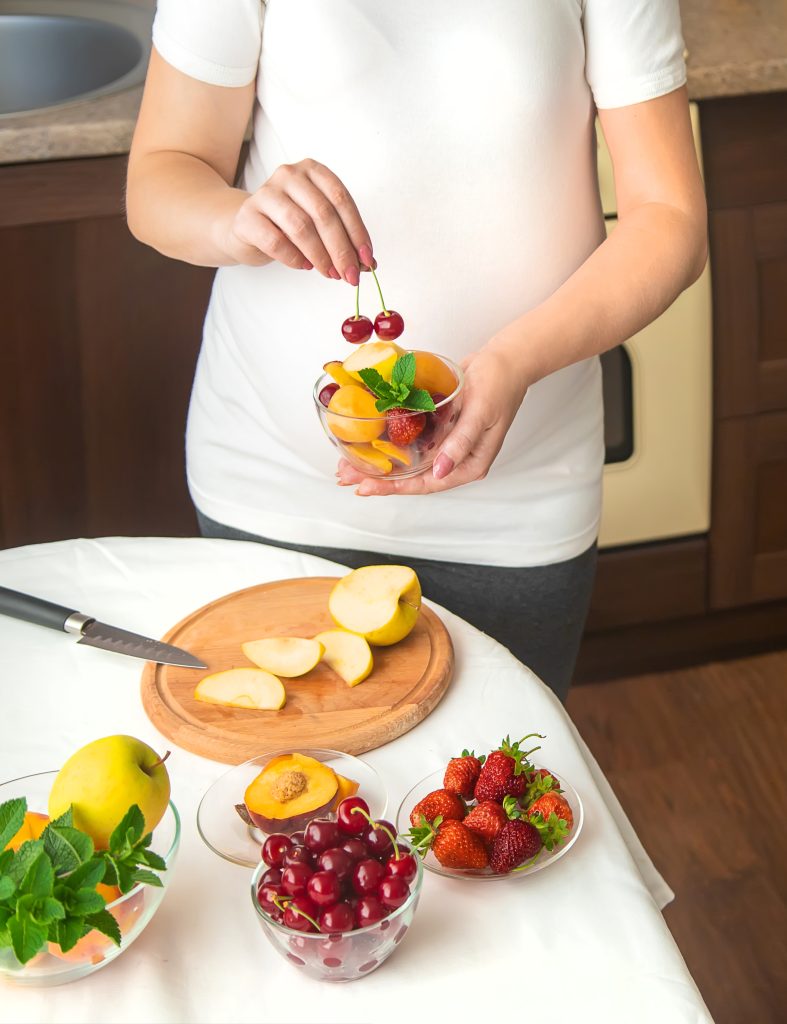
Lauren stood in the pharmacy aisle at 11 PM, seven months pregnant and desperate for relief. Her head throbbed, her nose was completely blocked, and she’d been awake for three nights straight. She reached for the Zicam she’d always used before pregnancy, then pulled out her phone to search “can I take Zicam while pregnant?” The results were confusing and contradictory. Exhausted and frustrated, she left empty-handed, still suffering. If you’re pregnant and fighting a winter cold, you’re probably discovering that your usual go-to remedies are suddenly off-limits or questionable. With your immune system naturally suppressed to protect your growing baby, you’re more vulnerable to catching every bug that goes around. Understanding which medications are safe can help you find relief without the worry.Is Zicam Safe During Pregnancy? The short answer is: it depends on which Zicam product you’re considering. Zicam products contain zinc, an essential mineral that’s generally considered safe during pregnancy in appropriate amounts. According to the American College of Obstetricians and Gynecologists (ACOG), zinc is important for fetal development, and many prenatal vitamins include it. However, not all Zicam formulations are created equal: Understanding Cold Remedies by Trimester Your provider’s recommendations may vary depending on how far along you are: Safe Cold Relief Options for Pregnancy Here are evidence-based remedies that most providers consider safe: For Congestion: For Cough: For Fever and Body Aches: For Sore Throat: What to Avoid During Pregnancy These common cold remedies should be avoided: NSAIDs:Ibuprofen (Advil, Motrin) and naproxen (Aleve) can cause complications, especially after 20 weeks of pregnancy. They’ve been linked to low amniotic fluid and potential heart problems in the baby. Aspirin:Regular use of aspirin should be avoided unless specifically prescribed by your provider for certain pregnancy complications. Multi-Symptom Formulations:Products like NyQuil or Theraflu often contain multiple active ingredients, including ones to avoid during pregnancy. They may also contain alcohol. Stick to single-ingredient products approved by your provider. Herbal Supplements:“Natural” doesn’t mean safe during pregnancy. Many herbs can trigger contractions or cause other complications. Avoid echinacea, goldenseal, and other immune-boosting herbs without medical approval. Phenylephrine:This decongestant found in many cold medicines has questionable effectiveness and safety data during pregnancy. Natural Immunity Boosters That Actually Work Prevention is always better than treatment: Hydration:Drink eight to ten glasses of water daily. Proper hydration helps thin mucus, supports immune function, and keeps your respiratory system functioning optimally. Add lemon or cucumber for flavor if plain water is unappealing. Quality Sleep:Aim for eight to ten hours nightly. Your immune system does much of its repair work during sleep. If nighttime sleep is disrupted, take short naps during the day. Vitamin C:Get it from food sources like oranges, strawberries, bell peppers, and broccoli. While vitamin C won’t prevent colds, it may reduce duration and severity. Vitamin D:Many pregnant women are deficient in vitamin D, which plays a crucial role in immune function. Ask your provider about testing and supplementation. Prenatal Vitamins:Take them consistently. They provide immune-supporting nutrients like zinc, vitamin C, iron, and folate. Hand Hygiene:Wash hands frequently for at least 20 seconds with soap and water, especially after being in public spaces. Use hand sanitizer when soap isn’t available. Avoid Sick People:This sounds obvious, but don’t feel guilty about skipping gatherings or asking sick visitors to reschedule. Your health and your baby’s wellbeing come first. When to Call Your Healthcare Provider Most colds resolve on their own within seven to ten days, but contact your provider if you experience: These symptoms could indicate flu, strep throat, pneumonia, sinus infection, or other conditions requiring prescription treatment. The Importance of Flu and COVID-19 Vaccination The single most effective way to prevent serious illness during pregnancy is vaccination: Flu Shot:Safe during any trimester, the flu vaccine protects both you and your baby. Pregnant women who get the flu are at higher risk for hospitalization and complications. Antibodies you develop are passed to your baby, providing protection for their first several months of life. COVID-19 Vaccine:Current CDC recommendations support COVID-19 vaccination during pregnancy. Pregnant women who contract COVID-19 are at increased risk for severe illness, preterm birth, and other complications. Tdap Vaccine:Given between 27 and 36 weeks, this vaccine protects your baby from whooping cough, which can be deadly for newborns. Creating Your Cold-Season Action Plan Start the new year with a prevention strategy: Get Personalized Guidance Every pregnancy is unique, and your health history may affect which cold remedies are safe for you. Conditions like high blood pressure, gestational diabetes, or a history of preterm labor can influence your provider’s recommendations. Don’t suffer through a cold in silence or second-guess yourself in the pharmacy aisle. At Women’s Integrated Healthcare, we’re here to answer your medication safety questions and provide clear, evidence-based guidance tailored to your pregnancy. Whether you’re dealing with a winter cold right now or want to discuss prevention strategies, our team is ready to support you through every season of your pregnancy journey. Schedule a consultation today and start the new year with a clear plan for staying healthy and safe. References: American College of Obstetricians and Gynecologists. (n.d.). Over-the-Counter Medications and Pregnancy. Retrieved from https://www.acog.org Centers for Disease Control and Prevention. (n.d.). Medications and Pregnancy. Retrieved from https://www.cdc.gov National Institutes of Health. (n.d.). Zinc Supplementation During Pregnancy. Retrieved from https://www.nih.gov
New Year’s Wellness Reset: Post-Holiday Recovery for Women’s Hormonal Health
By January 2nd, Jennifer was exhausted. The Fort Worth accountant had powered through December’s deadlines, holiday parties, family gatherings, and late-night gift wrapping. Now her period was two weeks late, her skin was breaking out, and she couldn’t sleep despite feeling constantly drained. Her body was sending a clear message: something was off balance. The holidays take a toll on everyone, but for women, the aftermath often shows up as hormonal disruption. Late periods, worsened PMS, menopausal hot flashes, fatigue, and mood swings are your body’s way of asking for a reset. How Holidays Disrupt Hormonal Balance Several holiday habits throw hormones into chaos: Chronic Stress: December’s packed schedule triggers constant cortisol production. According to the American Psychological Association, elevated cortisol interferes with estrogen, progesterone, and thyroid hormone balance. Disrupted Sleep: Late nights and irregular sleep patterns affect melatonin production, which regulates reproductive hormones. The National Sleep Foundation notes that even a few nights of poor sleep can alter menstrual cycles. Blood Sugar Spikes: Holiday treats cause insulin surges, which promote inflammation and hormone imbalance. Over time, this can worsen conditions like PCOS or contribute to weight gain. Alcohol Consumption: Even moderate drinking affects liver function, your liver is responsible for metabolizing and clearing excess hormones. Skipped Exercise: Reduced physical activity lowers endorphins and affects hormone receptor sensitivity. Signs Your Hormones Need Attention Watch for these red flags: If you’re experiencing multiple symptoms, your hormones likely need support. The 7-Day Hormone Reset Start the new year with these science-backed strategies: Day 1-2: Stabilize Blood Sugar Day 3-4: Support Your Liver Your liver processes and eliminates excess hormones: Day 5-6: Restore Sleep Quality sleep is essential for hormone production: Day 7: Manage Stress Intentionally Chronic stress is the number-one hormone disruptor: Exercise for Hormonal Balance Movement supports hormone health, but the right type matters: Best Options: Avoid: Nutrition for Hormone Recovery Focus on these hormone-supporting foods: Healthy Fats: Fiber: Quality Protein: Micronutrient-Rich Foods: Supplements That May Help After consulting your provider, consider: Never start supplements without professional guidance, especially if you’re trying to conceive, pregnant, or have underlying health conditions. When to Seek Professional Help A hormone reset may not be enough if you have: These symptoms may indicate PCOS, thyroid dysfunction, perimenopause, or other conditions requiring medical treatment. Testing and Treatment Options At Women’s Integrated Healthcare, we offer: Make This Year Different January doesn’t require dramatic resolutions or punishing restrictions. Your body needs gentle, consistent support to restore hormonal balance after holiday disruption. Small changes compound over time: The new year is the perfect time to prioritize your hormonal wellness. Whether you’re dealing with post-holiday symptoms or long-standing hormonal issues, personalized medical guidance makes all the difference. At Women’s Integrated Healthcare, we specialize in identifying and treating hormonal imbalances at every life stage. Don’t start the year feeling off-balance. Schedule a consultation and take control of your hormonal health. References:
Boosting Immunity This Winter: Tips for Pregnant Women and New Moms
Sarah, a new mom in Southlake, watched her six-month-old battle her third cold in as many months. Exhausted from sleepless nights and worried about her own health, she wondered why they kept getting sick. A conversation with her provider revealed that sleep deprivation, postpartum stress, and skipped meals were weakening her immune system, making her more vulnerable to every bug her baby brought home. Winter brings increased exposure to colds, flu, and respiratory infections. For pregnant women and new mothers, maintaining a strong immune system isn’t just about avoiding illness, it’s about protecting your health and your baby’s wellbeing. How Pregnancy Affects Your Immune System During pregnancy, your immune system naturally adjusts to protect your growing baby. According to research published by the National Institutes of Health, these changes make pregnant women more susceptible to certain infections. Your body: This doesn’t mean you’re defenseless, it means you need to be more intentional about immune support. Postpartum Immunity Challenges New motherhood brings its own immunity obstacles: The American Academy of Pediatrics notes that newborns under three months have underdeveloped immune systems, making your health even more critical. Essential Immune-Boosting Strategies Prioritize Sleep (As Much As Possible): Maintain Proper Nutrition: Stay Hydrated: Moderate Exercise: Vaccinations: Your First Line of Defense Don’t skip these critical immunizations: During Pregnancy: Postpartum: These vaccines protect both you and your baby through antibody transfer during pregnancy and breastfeeding. Reduce Germ Exposure Smart prevention strategies: Manage Stress Effectively Chronic stress significantly weakens immunity. The American Psychological Association confirms that stress hormones suppress immune function. Try These Techniques: Breastfeeding Benefits If you’re breastfeeding, you’re already providing powerful immune support to your baby. Breast milk contains: Breastfeeding also helps postpartum mothers by: Supplement Wisely Before taking any supplement, consult your healthcare provider. Some options that may be recommended: Avoid megadoses or untested herbal supplements without medical guidance. When to Seek Medical Care Contact your provider if you develop: Early intervention prevents complications and faster recovery. Special Considerations for High-Risk Women If you have conditions that affect immunity—such as diabetes, asthma, autoimmune disorders, or are taking immunosuppressive medications—work closely with your healthcare team to develop a personalized protection plan. Create Your Immunity Action Plan Strong immunity during pregnancy and postpartum doesn’t happen by accident—it requires consistent, intentional habits. While you can’t avoid every cold or infection, you can significantly reduce your risk and recover faster when illness does strike. At Women’s Integrated Healthcare, we provide comprehensive care that addresses your immune health through every stage of pregnancy and postpartum recovery. Our providers offer personalized strategies based on your unique health history and circumstances. Schedule a consultation to strengthen your defenses this winter. References:
Holiday Nutrition for Expecting Moms: Healthy Eating Amid Festive Feasts

Maria sat at her family’s Thanksgiving table, plate piled high with turkey, stuffing, and sweet potato casserole. Halfway through her second trimester, she felt guilty about the indulgence but didn’t want to explain her food choices to curious relatives. By dessert, she was uncomfortably full and worried she’d derailed her healthy eating goals. The holidays shouldn’t mean choosing between enjoying traditions and nourishing your growing baby. With a balanced approach, you can savor festive meals while meeting your nutritional needs during pregnancy. Why Holiday Nutrition Matters Pregnancy increases your nutrient requirements, but that doesn’t mean eating for two in quantity, it means eating smarter. According to the American College of Obstetricians and Gynecologists (ACOG), most pregnant women need only an extra 300 calories daily in the second and third trimesters. During the holidays, when calorie-dense foods are everywhere, focusing on nutrient density becomes especially important. Your baby needs consistent vitamins, minerals, and protein—not just extra sugar and saturated fat. Building Your Holiday Plate Use these strategies to create satisfying, nutritious holiday meals: Start with Protein: Load Up on Vegetables: Choose Complex Carbs: Add Healthy Fats: Navigating Holiday Challenges The Dessert Dilemma: You don’t have to skip dessert, just be selective. Choose one treat you truly love rather than sampling everything. A small slice of pie with a dollop of whipped cream satisfies without derailing your nutrition. Managing Morning Sickness: If you’re in your first trimester during holiday meals, strong smells and rich foods might trigger nausea. Keep bland crackers handy, eat smaller portions more frequently, and don’t force yourself to finish your plate. Staying Hydrated: Holiday beverages are often sugary sodas, alcohol (off-limits during pregnancy), or caffeinated options. Keep a water bottle with lemon or sparkling water with fresh fruit nearby. Aim for eight to ten glasses daily. Handling Food Safety: Be extra cautious with holiday buffets: Smart Swaps for Traditional Favorites Make holiday classics pregnancy-friendly: Dealing with Food Pressure Well-meaning relatives might encourage you to “eat more” or question your choices. Prepare polite responses: You don’t owe anyone detailed explanations about your pregnancy eating decisions. Post-Feast Recovery If you do overindulge, don’t stress: Foods to Emphasize Year-Round Beyond the holidays, focus on these pregnancy powerhouses: Get Expert Support Pregnancy nutrition doesn’t have to be complicated, but individual needs vary based on your health history, weight, and any pregnancy complications. Whether you’re managing gestational diabetes, struggling with food aversions, or simply want reassurance about your eating habits, personalized guidance makes all the difference. At Women’s Integrated Healthcare, our team provides comprehensive nutritional counseling tailored to your pregnancy journey. We’ll help you create a realistic eating plan that works for your lifestyle, holidays included. Schedule a consultation and enter the new year feeling confident about nourishing yourself and your baby. References: U.S. Department of Agriculture. (n.d.). MyPlate for Pregnancy and Breastfeeding. Retrieved from https://www.myplate.gov
Safe Remedies for Winter Colds During Pregnancy: Is Zicam (or Anything OTC) Okay?

Jessica stood in the pharmacy aisle, tissue box tucked under one arm, staring at rows of cold medications. Eight months pregnant and miserable with a stuffy nose, she reached for the Zicam, then hesitated. Was it safe? She left empty-handed, unsure what she could take. Catching a cold during pregnancy is frustrating, especially when your usual go-to remedies are suddenly off-limits. With your immune system naturally suppressed to protect your growing baby, you’re more susceptible to infections. Understanding which over-the-counter options are safe can help you find relief without worry. Is Zicam Safe During Pregnancy? Zicam contains zinc, which is generally considered safe during pregnancy when used in recommended amounts. The American College of Obstetricians and Gynecologists (ACOG) notes that zinc is an essential mineral, and dietary supplementation is often recommended. However, the nasal spray and swab versions of Zicam have been associated with loss of smell in some users. While these formulations are still available, many pregnant women prefer to avoid nasal zinc products. The oral lozenges may be a better option, but always consult your provider first. Safe OTC Cold Remedies for Pregnancy During your first trimester, it’s best to avoid most medications when possible. After that, certain options are generally considered safe: For Congestion: For Cough: For Pain and Fever: What to Avoid: Natural Remedies That Actually Help Sometimes the simplest solutions are the safest: When to Call Your Provider Most colds resolve on their own within a week, but contact your healthcare team if you experience: These could signal a more serious infection requiring prescription treatment. Prevention Is Your Best Defense Boost your immunity this winter by: Get Personalized Guidance Every pregnancy is unique, and what’s safe for one woman may not be ideal for another. Before reaching for any medication it’s worth a quick call to your provider. At Women’s Integrated Healthcare, we’re here to guide you through every cold season question. Don’t suffer in silence or second-guess yourself in the pharmacy aisle. Schedule a consultation and get clear answers about which remedies are right for you and your baby. References: Centers for Disease Control and Prevention. (n.d.). Pregnant? Get the Whooping Cough Vaccine. Retrieved from https://www.cdc.gov
Staying Healthy During the Holidays: Managing Stress for Better Women’s Health

Rachel, a 45-year-old Fort Worth entrepreneur, loved holiday gatherings but felt drained by December’s chaos. Last year, her periods became irregular, and hot flashes worsened, leaving her frazzled. A visit to Women’s Integrated Healthcare revealed stress was amplifying her perimenopause symptoms. With tailored strategies, Rachel now navigates the holidays with energy and calm. The holiday season brings joy but often stress, impacting your physical and mental health. Here’s how to manage it this holiday season. How Stress Affects Women’s Health Stress disrupts the hypothalamic-pituitary-ovarian axis, per the American Psychological Association (APA). This can cause: Practical Stress Management Strategies Take control with these tips: The National Institute of Mental Health (NIMH) notes consistent stress management improves health. When Stress Affects Your Body Symptoms like irregular periods or fatigue may indicate PCOS or thyroid issues. Our in-office diagnostics, like hormone testing, identify causes. Treatments include lifestyle counseling and hormonal therapies. Holiday-Specific Tips Stay grounded this season: Take Charge This Season Don’t let holiday stress compromise your health. Schedule a consultation today. References:
Navigating Fertility Challenges: How We Support Your Journey to Parenthood

Emily, a 32-year-old Southlake teacher, and her husband tried for a baby for more than a year with no success. Frustrated and anxious, she felt lost until a consultation at Women’s Integrated Healthcare revealed polycystic ovary syndrome (PCOS) as the cause. With tailored treatment and support, Emily now feels hopeful, armed with a plan to grow her family. Trying to conceive can be emotional, especially when it takes longer than expected. Understanding Fertility Challenges Infertility affects one in eight couples, per the American Society for Reproductive Medicine (ASRM). Common causes in women include: Male factors like low sperm count are also assessed. Steps to Take Before Seeking Help If under age 35 and trying for a year (or six months if over age 35): The National Institutes of Health (NIH) emphasizes lifestyle’s role in fertility. When to See a Specialist Consult us if conception hasn’t occurred after the recommended time, or if you’re experiencing irregular periods or miscarriages. We offer: Emotional and Practical Support Fertility challenges can feel isolating. Journal your cycle and symptoms for your consultation, and we’ll connect you with mental wellness resources. Start Your Journey Schedule a fertility consultation today. Let Women’s Integrated Healthcare make your parenthood dream real. References:
Preparing for Your Well-Woman Exam: What to Expect and Why It Matters

Lisa was a 35-year-old lawyer who skipped her annual wellness exam for years. But when irregular periods and fatigue crept in, she worried something was wrong. Her well-woman exam at Women’s Integrated Healthcare revealed a thyroid issue, caught early thanks to a routine screening. Now, Lisa feels empowered, knowing her health is proactively managed. Your annual well-woman exam is a cornerstone of preventive health. At Women’s Integrated Healthcare, we empower women through comprehensive, compassionate care. Here’s what to expect and why this visit matters. Why Well-Woman Exams Matter Regular exams detect issues early, from cervical abnormalities to hormonal imbalances. The Centers for Disease Control and Prevention (CDC) notes that Pap smears reduce cervical cancer risk by identifying precancerous changes. These visits also address breast health, contraception, and menopause, ensuring tailored care. What Happens During a Well-Woman Exam? Our exams are thorough yet comfortable: The American College of Obstetricians and Gynecologists (ACOG) recommends annual visits starting at age 21, even if you feel healthy. How to Prepare for Your Visit Maximize your exam with these steps: What If Something Feels Off? Symptoms like heavy periods or pelvic pain could signal endometriosis or fibroids. Our in-office sonography and minimally invasive treatments, like endometrial ablation, address issues promptly. Why Wait? Invest in your future with a well-woman exam. Schedule a consultation today. References:
Understanding and Managing Urinary Incontinence: Regain Control with Expert Care

Sarah is a 42-year-old executive juggling a busy career and family life. She’s always made time for fitness, including a weekly spin class. But lately, every high-intensity sprint has caused an embarrassing leak, forcing her to cut the workout short. Sarah assumed it was just “part of being a mom” after two kids, but avoiding exercise was dimming her confidence. A friend urged her to see a specialist, and Sarah’s visit to Women’s Integrated Healthcare changed everything. She learned her stress incontinence was treatable, not inevitable. Urinary incontinence affects millions of women, yet it’s often shrouded in silence due to embarrassment or the misconception that it’s a normal part of aging. At Women’s Integrated Healthcare, we believe no woman should live with discomfort or limitations. Whether it’s a small leak during a workout or an urgent need to rush to the bathroom, incontinence is treatable, and our expert team in Southlake and Fort Worth is here to help you reclaim control. What Is Urinary Incontinence? Urinary incontinence is the involuntary leakage of urine, impacting more than 25 percent of women, per the National Institute of Diabetes and Digestive and Kidney Diseases (NIDDK). The two most common types are: Other types, like mixed or overflow incontinence, may also occur, each with unique causes. Why Does Incontinence Happen? Incontinence can stem from: Our Fort Worth and Southlake ObGyns use bladder function tests and pelvic exams to identify causes. Practical Strategies to Manage Incontinence Try these steps while working with our team: The American College of Obstetricians and Gynecologists (ACOG) notes that lifestyle changes can significantly improve symptoms. When to Seek Help Seek care if incontinence is limiting your activities. Warning signs include: We offer urodynamic testing and treatments like pelvic floor therapy, sling surgery, or Botox injections. Take the First Step Incontinence isn’t inevitable. Schedule a consultation to explore personalized solutions. Empower your life with Women’s Integrated Healthcare. References: