Ovarian Cysts: What Are They, and How Are They Treated?

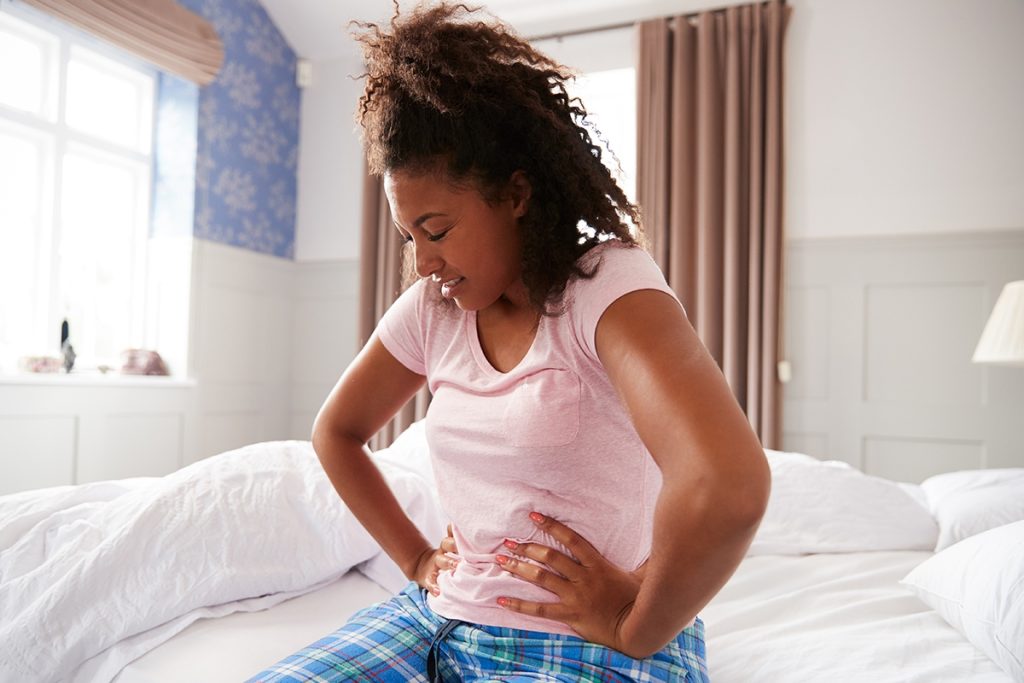
Ovarian cysts often go away on their own. Here’s what you need to know about this common women’s health condition. September is Ovarian Cancer Awareness Month, and we at Women’s Integrated Health can’t stress enough the importance of regular health screenings, including yearly women’s wellness exams, to aid in early detection of issues that could risk a woman’s health. Because attention is on ovarian cancer this month (and hopefully always), let’s talk about ovarian cysts, which can occasionally be cancerous. Doctors can detect ovarian cysts during regular pelvic exams by feeling for swelling on the ovaries. If a doctor suspects a cyst, he or she will perform an ultrasound to confirm the diagnosis. What is an Ovarian Cyst? Ovarian cysts are solid or fluid-filled sacs or pockets within or on the surface of an ovary. They’re surprisingly very common. Doctors see more than 3 million cases yearly in the United States. Most ovarian cysts are symptom free and disappear on their own within a few months. Occasionally, ovarian cysts linger, causing complications: Signs of Ovarian Cysts Menstrual irregularities Pain during intercorse Irregular bowel movements If ovarian cysts cause issues, there are a few medical treatment options doctors discuss with their patients. [highlightbox color=”alert-success”] In the News: Pop star Kelly Clarkson talks about her painful experience with ovarian cysts. [/highlightbox] Medical Treatments for Ovarian Cysts Hormonal birth control pills. Birth control pills can regulate a woman’s hormones to get cysts in check. Plus, they reduce the risk of developing more cysts. Surgically removing the cyst. For this surgery, a doctor creates a small incision in the navel or stomach to remove the cyst. Removing the ovary or fallopian tube. In rare cases, a cyst can damage the ovaries or fallopian tubes. In these instances, one or both of these organs could need to be removed. Can Ovarian Cysts be Cancerous? It’s important to note that only about 5-10 percent of women with ovarian cysts require surgery. And of those women, only about 12 percent are cancerous. If a doctor finds an ovarian cyst, he or she will most likely order imaging tests and/or biopsies to determine whether the cyst is cancerous. In the event a cyst is cancerous, treatments include chemotherapy, radiation and surgery. Conclusion To recap, ovarian cysts are usually benign and occasionally have no symptoms at all. Occasionally, though, they can be painful, symptomatic and cancerous. If you’re experiencing any symptoms of ovarian cysts, please make an appointment with your healthcare provider as soon as possible.
Recovering From a C Section: What to Expect
Recovering From a C Section: What to Expect During pregnancy and labor, situations can arise that necessitate a cesarean or “C” section delivery. The physicians at Women’s Integrated Healthcare guide women to understanding when a C section is necessary as the safest measure of delivering their baby. About 30 percent of women have C sections. Here’s how to prepare. In the United States, about one in three births occur via C-section. So, it’s important for women and their loved ones to understand the procedure and its recovery. The C section procedure is a surgery to deliver a baby via an incision in the abdomen and uterus. In some pregnancies, a C section is called for by the doctor to protect the health of the mother and child. Reasons for C-sections include multiple babies, failure to dilate, abnormal birth position, the baby isn’t getting enough oxygen, or problems with the placenta or umbilical cord. A C-section is major abdominal surgery, and as such, it takes time to heal. While it is a rather common procedure, recovery is much different from that of vaginal birth. Here are some things you need to know about recovering from a C section. C Section Recovery: What You Need to Know Women who deliver via C section can expect, on average, a two-to-three day hospital stay. The incision will be watched closely while in the hospital. Women are encouraged to rest as much as possible while in the hospital, as it’s significantly harder to rest when mother and baby come home and “real life” sets in. Get rest and recover. We mentioned how hard it is to get rest when you’re home with dozens of things to do and a baby who doesn’t sleep through the night, but ask for help. Line up helpers for household chores, and sleep whenever the baby sleeps. Speaking of rest, it might be hard to find a comfortable snoozing position. Use body pillows to relieve pressure on your sore abdomen, and even try the living room recliner if the bed isn’t comfortable. Also, make sure you’re controlling your stress levels so you can get some much-needed shut-eye. Be careful picking up and holding your baby. Your doctor will probably instruct you not to pick up more than 10-15 pounds for at least a few weeks. It’s best for someone to hand you your baby while you’re already in a seated position. Breastfeeding positions can be uncomfortable, especially if the baby is pressing on the tender C section incision area. Women find relief by placing a pillow over the incision site and experimenting with the baby’s positions to relieve pressure on the incision. Try a football hold or lying on your side. If you use an unorthodox method, make sure the baby is latching properly to avoid sore nipples. Get a helper to assist in moving your baby around while breastfeeding. Move often. Yes, rest and try to recover, but also get up and walk when you’re awake, as it’ll help relieve the gas pains you’ll probably suffer. Plus, you’ll need to retrain those abdominal muscles to work properly. It will probably hurt to cough, sneeze and stand up. Again, pillows to the rescue. Press a pillow against your abdomen as you need to cough and sneeze. It’ll help with some of the pulling and pressure applied to your incision. Get help standing up and sitting down whenever you can. Grab solid objects for support. C Section Recovery Kit As you near the end of your pregnancy, ask your doctor if there’s a chance you might need a C section. He or she might be able to predict based on the baby’s position or other factors. Or, perhaps you’ve already got the procedure scheduled. Whatever the case, it’s important to be prepared. Here’s a list of what you need to have on hand for recovery. OTC pain meds: Your doctor might send you home with prescription pain medications, but at some point, you’ll be ready to switch to over-the-counter solutions. Have them handy before you need them. Ibuprofen and acetaminophen are great options for pain management. Pillows: You’ll want pillows for a couple of reasons. First, they’ll help you find a comfortable sleeping position. Some women find relief by placing a pillow under their abdomen while lying on their sides. Second, you might use several to help you find a comfortable breastfeeding position. Third, you can grab a pillow and push it against your belly as you cough, sneeze or get out of bed or a chair. Belly support: A good belly binder can aid in recovery from a C section by helping to support the abdominal muscles. By stabilizing your midsection, it can also provide back support and relief from back pain. Laxatives and gas-relief medication: Unfortunately, two common side effects of C-section surgery are gas pain and constipation. You’ll want good, over-the-counter medications on your side to help you cope with the discomfort. Comfortable, high-waisted clothes. You won’t want anything constrictive or that rubs against your incision. High-waisted underwear is a must. There are even lines of C-section underwear on the market. Sanitary pads: Surprisingly, you might bleed vaginally after having a C section. Have multiple types of pads, from heavy to light, on hand, and expect to need them for about three weeks postpartum. Helpers: Line up a list of friends and family who are willing to help you around the house, since you won’t be able to lift the laundry basket for a few weeks. Again, a C section is major surgery, and it requires rest, recovery, patience and preparation. With the right supplies and support, women who deliver this way can make a speedy recovery and enjoy their new baby to the fullest. If you are pregnant and think you may deliver by C-section our Southlake OBGYN’s right here in Grapevine, are happy to work with you. We provide expert, compassionate care. Contact us for an appointment.
Help for Hot Flashes: Causes, Symptoms and Treatments

Help for Hot Flashes: Causes, Symptoms and Treatments Don’t be stopped by one of the most common symptoms of menopause, women who feel like they’ve just exercised in their winter coats but haven’t left their office chairs are not alone. Am I Having Hot Flashes? Hot flashes are an unfortunate and common side effect of menopause for about 75% of women. Hot flashes include the sensation of extreme heat that usually lasts from one to five minutes and often are most intense in the head and upper chest. Women experiencing hot flashes break out in a sweat and can sometimes experience red blotches on their skin, fast or uneven heartbeats, dizziness, shaking and headaches. What Causes Hot Flashes? Hot flashes occur because of changing hormone levels that trigger thermoregulatory zone changes in the brain. Basically, during menopause, the drop in estrogen confuses women’s bodies’ thermostats. These bothersome symptoms can affect sleep and quality of life. Though hot flashes aren’t serious, it’s important for women to talk to their doctors about this period in their lives and find treatments against hot flashes. Treatment for Hot Flashes Women should talk with their doctors about the right treatment plans for their symptoms. It’s common for women with severe symptoms to try multiple treatments before finding one that works best. Here are a few commonly prescribed treatments and remedies for hot flashes: Estrogen replacement: Women can find relief from hot flashes through hormone replacement therapy. After all, the transition to menopause includes decreasing amounts of estrogen. Anti-depressants. Many women find that anti-depressants such as Zoloft lessen the severity of hot flashes. Gabapentin or pregabalin: Doctors might prescribe one of these prescription medications depending on womens’ symptoms Increasing dietary soy Dressing in layers Avoiding hot and spicy foods and drinks Avoiding hot environments Minimizing stress Herbal remedies Exercise Meditation The compassionate doctors at Women’s Integrated Healthcare are committed to helping women through every stage of their lives, including menopause. We encourage women experiencing symptoms to make an appointment with a trustworthy Women’s integrated Healthcare physician soon. What’s Happening During a Hot Flash Take a look at this great information about hot flashes, why they happen, and how to improve them. Just For Fun To prove you’re not alone in the suffering, these hot-flash quotes will make you giggle. “The Definition of Hot Flash: Your body deciding to spontaneously combust while taking you on a secret roller coaster ride through the bowels of hell.” “I wouldn’t mind these hot flashes so much if they would burn a little fat off my butt and thighs in the process.” “Night sweats: Hot flashes that occur while you are asleep, because catching fire in the daytime isn’t sufficient enough.” “Amazing women don’t have hot flashes. We have power surges.” – @amazingwomen Our compassionate and experienced Grapevine and Fort Worth OBGYN’s are here to help you stay healthy and informed through all stages of life. Contact us today for an appointment.
Pregnancy: When is it Time to Go to the Hospital?

How to listen to labor symptoms and know when baby is really on the way. Whether this is your first baby or fourth, more than likely, you’ve got a bag packed for the hospital and sitting by the front door. (If you don’t, you should!) You’ve probably also got checklists on the fridge for family to get the mail, feed the pets and water the plants while you’re away. (Same here!) You’re as ready as you can be for baby to come. Being prepared is a great way to bring peace of mind to an otherwise stressful situation. But, when do you really know when it’s time to head to the hospital? Every woman’s journey is different and unique, but there are some signs of labor to look for as you’re waiting for baby’s arrival. Some are conveniently obvious, such as contractions and water breaking. But, other signs are more subtle. Signs of Labor Your water breaks. In only about 15 percent or less of women, water will break. If you’re fortunate to experience this obvious sign of labor, you know beyond a doubt that it’s time to head for the hospital. But, if you’re reading this blog, it’s likely because you may be experiencing more subtle signs. Keep reading to learn more. You’re having consistent contractions. These will become stronger and more frequent during labor onset. This is where all that knowledge from childbirth classes will kick in. Using a timer (there’s lots of apps for this in the App Store and on Android), time your contractions. If they are consistently happening every few minutes, it’s time to go to the hospital. Subtle Signs of Labor These signs are less obvious and can be more gradual. You’ll want to keep in touch with your doctor if you’re experiencing them. He or she can help you determine when to get in the car. The baby “drops.” This means your baby is getting into position for delivery, low within your pelvis. Your cervix dilates. During each visit as the due date draws near, your doctor checks whether your cervix is starting to dilate, or open, and/or efface, or thin out. You experience vaginal discharge and/or a change in color and consistency. You have diarrhea, loose-feeling joints, cramps, worsening back pain and fatigue. When to Call the Doctor During Late-Term Pregnancy If you’re not sure whether you’re experiencing any of these signs, it’s always best to call your provider, even if it’s after business hours. He or she will help you know if it’s time to hit the road for the hospital. Definitely give your doctor a call and head to the hospital in these situations: Your water breaks You notice bright-red discharge (blood) You develop a severe headache, blurred vision or sudden swelling. These are signs of preeclampsia. Our compassionate and experienced Grapevine and Fort Worth obgyns are here to help you have an informed, healthy pregnancy, labor and delivery. Contact us today for an appointment.