
Your Health and Fitness

Five health and fitness tips for a healthier 2018 Our Fort Worth and Grapevine obgyns are here to help you achieve optimal health. In 2018, our physicians urge you to take control of your health and fitness. Follow our health and fitness tips in 2018 for a healthy year and life Healthy habits pay dividends in the present and the future for women of all ages. If you adopt these five health and fitness practices, you will reduce your risk of developing health problems, including certain cancers, cardiovascular disease and diabetes. You will also improve your general and reproductive health. Eat a healthy, balanced diet. A healthy diet should include the following. Lean proteins, including grilled, broiled or baked fish, meat, poultry and legumes Fruits and vegetables Whole grains Foods rich in calcium, including dairy products, kale and broccoli In addition, limit sugar and saturated fats. Track your food intake and practice portion control. Part of improving your health and fitness is weight management. Keep track of what and how much you eat with a mobile app. Educate yourself about portion sizes and practice portion control. Get 60 to 90 minutes of moderate to intense exercise each week. If exercise hasn’t been a part of your life, start slowly. Move more and exercise in 10 minute increments. Address stress and mental health issues in your life. For better health and fitness, it’s important to address stress, depression and other mental health issues that can affect your daily life. Yoga, meditation or counseling can help. If you are planning to get pregnant, focus on preconception health. A preconception counseling appointment with our Fort Worth and Grapevine obgyns can help you plan for a healthy pregnancy. Important goals for preconception health include getting to and maintaining a healthy weight, eating a healthy diet, getting enough exercise and reducing stress. You should also begin taking folic acid supplements. Our Fort Worth and Grapevine obgyns can help you get healthy Our physicians can help you achieve your health and fitness goals. Contact us to schedule an annual wellness or preconception counseling appointment.
The Importance of Physical Activity

Understanding the importance of physical activity Want to feel your best? Physical activity can help. Women of all ages should add physical activity to their daily routine to improve and maintain good health. Most women, including pregnant women, can exercise safely. Anyone who has concerns should talk with our Grapevine and Alliance obgyns before beginning an exercise regimen. Physical activity provides many health benefits For many years, women have been told that they need physical activity, but they may not know why it’s important. Exercise benefits women in several ways. Muscle strength Flexibility Weight control Increased energy Stronger bones Stress relief Better sleep quality Exercise also reduces the risk of several diseases, including heart disease, type 2 diabetes and certain cancers. Three types of physical activity women should add to their weekly schedule Our Grapevine and Alliance obgyns suggest that women try to get three different types of physical activity each week, including aerobic exercise, strengthening and stretching. Aerobic exercise involves large body muscles in the arms, hips and legs. It raises a woman’s heart rate. Most women should try to get 150 minutes of moderate-level activity per week. Good activities include walking, jogging, swimming, dancing or biking. Exercise doesn’t have to occur in long increments. It’s fine to exercise for 30 minutes, five days a week or to exercise for ten or fifteen minutes at a time that adds up to 150 minutes per week. Strengthening is another important type of physical activity women need at least two days a week. Strengthening activities help build stronger muscles and reduce the risk of bone loss. Our physicians suggest resistance training with weights or resistance bands, or push-ups and other exercises that provide strengthening benefits. Stretching after exercise or performing simple stretches during the day not only helps boost circulation, but also helps achieve optimal range of motion. Women who have chronic health problems, who are pregnant or who have a physical issue that prevents exercise should consult our physicians before beginning an exercise regimen. Our physicians urge women to pursue physical activity to achieve better health and fitness. For more advice, women should contact our Grapevine and Alliance obgyns. We’re conveniently located in Grapevine to serve women in Southlake, Grapevine, Alliance and the surrounding area.
Food Safety During Pregnancy

5 important tips about food safety during pregnancy Our Southlake obgyns want you to know about food safety during pregnancy. You may not be aware that you are more susceptible during pregnancy to foodborne illnesses caused by parasites, bacteria and viruses. If you contract a foodborne illness while you’re pregnant, it can lead to complications for both you and your baby, so it’s important for you to learn all you can about food safety. Food safety during pregnancy begins with these five steps 1. Know which fish are safe to eat The FDA and EPA have issued specific advice about food safety during pregnancy. They recommend that women eat two to three servings of fish per week from their “best choices” list. These fish include cod, salmon and whitefish. If you want to eat fish on their “good choices” list, limit consumption to once a week. These choices include albacore tuna, snapper and halibut. Due to high mercury levels, women should avoid king mackerel, marlin, orange roughy, shark, swordfish, tile fish and bigeye tuna. For more information about eating fish while pregnant, go to: https://www.federalregister.gov/documents/2019/07/09/2019-14524/advice-about-eating-fish-for-women-who-are-or-might-become-pregnant-breastfeeding-mothers-and-young For more information about minimum safe internal temperatures for meat, go to: https://www.fsis.usda.gov/wps/portal/fsis/topics/food-safety-education/get-answers/food-safety-fact-sheets/safe-food-handling/safe-minimum-internal-temperature-chart 2. Don’t drink unpasteurized milk, juice or cider You should never drink unpasteurized juice or cider because they have been linked to E. coli infections. Unpasteurized milk contains several dangerous bacteria, including listeria and salmonella. 3. Don’t eat raw or undercooked eggs Eggs must be cooked until the yolks are firm, and egg dishes should be cooked to a minimum temperature of 160° F. In addition, avoid eating or drinking anything that may contain raw eggs such as eggnog or raw cookie dough. 4. Be certain that your meat, poultry and seafood are cooked thoroughly You should ensure that any meat, poultry and seafood you eat is cooked to the proper minimum internal temperature to avoid dangerous contamination from E. coli, salmonella and toxoplasma gondii. 5. Don’t consume raw sprouts of any kind The only safe way to eat sprouts during pregnancy is thoroughly cooked. This includes clover, radish, mung bean and alfalfa sprouts. If you are looking for advice about food safety during pregnancy, our Southlake obgyns, right here in Grapevine, are happy to work with you. We provide expert, compassionate prenatal care. Contact us for an appointment.
Prevent UTIs

6 steps you can take to prevent UTIs Do you cringe when you think about UTIs? Urinary tract infections, or UTIs, occur in the urinary tract and are caused by bacteria. It isn’t always possible to prevent UTI’s and their annoying symptoms of urgency, burning and frequency of urination. However, our Fort Worth and Grapevine ObGyns have some recommendations to help stop UTIs before they start. Six good habits you should adopt to help prevent UTIs Drink up Water is your friend in the fight to prevent UTIs. Our ObGyns encourage you to drink six to eight glasses of water each day. Practice good hygiene You’ve heard that you need to wipe yourself from front to back, but you may not know the reason. Wiping from back to front can spread bacteria to the urinary tract and cause an infection. Avoid feminine products Feminine products such as douches, deodorants and scented soaps aren’t necessary to keep your vaginal area clean. Simply wash the skin in your genital area, including your anus, with water to prevent UTIs. Empty things out During your busy day, you may wait to urinate. It’s important that you urinate as soon as you feel the urge, which is usually every two or three hours. In addition, you should take enough time in the bathroom to ensure that you are emptying your bladder completely. Get out of bed You may love to cuddle after sex, but you should go to the bathroom first. You can prevent UTIs by making a trip to the bathroom to empty your bladder both before and after sex. Your urinary tract will thank you. Get loose Avoid wearing tight pants and underwear that can trap moisture, setting up the perfect environment for bacteria to breed. Our Fort Worth and Grapevine ObGyns are here to help you prevent UTIs. Contact us for an appointment.
Genitourinary Syndrome

Genitourinary syndrome, the menopausal problem women may not know about Menopause can make you want to swear off sex. The decrease in levels of estrogen and other hormones after menopause causes changes to the vagina that can cause genital and urinary symptoms in women. This condition is known as genitourinary syndrome. Our Grapevine and Alliance ObGyns know that you might be hesitant to discuss these symptoms with us, but talking about the condition is the first step in treating it. What are the symptoms of genitourinary syndrome? [righttextbox]“GSM is thought to affect about half of all postmenopausal women.” —http://www.issm.info/sexual-health-qa/what-is-genitourinary-syndrome-of-menopause-sgm[/righttextbox] The symptoms of genitourinary syndrome may impact the clitoris, labia, vagina, urethra or bladder. Genital symptoms Vaginal burning, dryness or irritation Vaginal discharge Itchy genitals Discomfort or pain during sexual intercourse due to lack of lubrication and tightening and shortening of the vaginal canal Urinary symptoms Feeling urgency to urinate Burning during urination Increase in urinary tract infections Experiencing urinary incontinence How is genitourinary syndrome treated? If you are experiencing any of the symptoms of genitourinary syndrome, you shouldn’t suffer in silence. Our Grapevine and Alliance ObGyns will talk about the problems in an open and caring way that we hope will make you feel comfortable and hopeful, knowing treatment is available. There are a variety of treatment options. Over-the-counter remedies include vaginal moisturizers and water-based lubricants to help reduce pain and irritation during sex. If these methods don’t work, our ObGyns may prescribe topical vaginal estrogen in cream, tablets or in a soft, flexible ring. Some women may benefit from systemic estrogen or estrogen/progestin therapy, administered via pills, gel, patches or an estrogen ring. Women with urinary symptoms may benefit from pelvic-floor physical therapy or other treatments for urinary incontinence. Prevention advice includes regular sexual activity When you are in the throes of genitourinary syndrome symptoms, you may find this bit of advice hard to imagine, but it’s important to spend some time in the bedroom. Participating in regular sexual activity can keep vaginal tissues healthy by increasing blood flow. If you’re experiencing pain, treatment can help you enjoy sex again. You shouldn’t ignore the symptoms of genitourinary syndrome. Contact us – we’re here for you.
Today’s IUDs
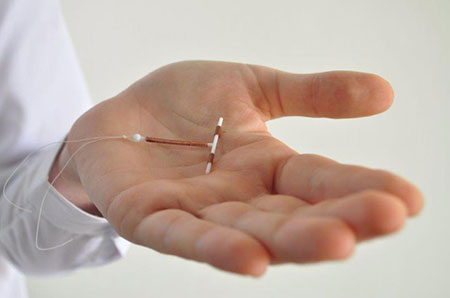
3 truths about today’s IUDs Our Grapevine and Alliance ObGyns want to update women about today’s IUDs, one of the most effective forms of birth control currently available. IUDs are a form of long-acting reversible contraception, known as LARC. ObGyns sometimes call it “set it and forget it” birth control because once IUDs are in place, they can remain in the uterus for a period of 3-10 years, depending on the type of IUD. We would like women to know the truth about IUDs. Three important truths women should know about today’s IUDs Today’s IUDs are safe to use for almost every woman. The Dalkon Shield IUD, on the market through the 1970s, was implicated in some cases of serious pelvic inflammatory disease, or PID. The Dalkon Shield received quite a bit of negative publicity and was taken off the market. Today’s IUDs have been shown to be very safe and serious side effects and complications rarely occur. In addition, in the past, IUDs were not recommended for adolescents or women who had not given birth, but today’s IUDs work for these patients. IUDs are highly effective. IUDs are the most effective form of reversible birth control available today; in fact, today’s IUDs have the same effectiveness rate as permanent sterilization. Fewer than 1 in 100 IUD users become pregnant during the first year of typical use. IUDs are available in both hormonal and non-hormonal forms. Today’s IUDs have evolved and improved. Now, women can choose from a copper IUD, which does not contain any hormones, or hormonal IUDs. Copper IUDs can be left in place for up to ten years, while hormonal IUDs remain in the uterus for a period of 3-5 years. Today’s IUDs, like any contraceptive method, offer several benefits, including: They don’t interfere with sexual intercourse. They can be used while breastfeeding and be placed immediately after pregnancy or miscarriage. They are completely reversible – simply remove the device when ready for pregnancy. Talk to our physicians about possible side effects and risks. Our experienced ObGyns can help you choose a contraceptive method Women should discuss their contraceptive needs with our Grapevine and Alliance ObGyns. Our physicians are always willing to answer questions and offer expert advice. Contact us to learn more about today’s IUDs.
Reduce Your Risk of Getting an STI

Reduce your risk of getting an STI Sexually Transmitted Infection (STI) is a risk that can be reduced. While the only way to completely prevent STIs is sexual abstinence, many adult women are sexually active, and a healthy sex life is important to many. Our Grapevine and Fort Worth ObGyns want you to know the facts to better protect yourself from STIs. Facts to Help You Reduce Your Risk An STI is spread in several different ways. It’s important to understand how you can get an STI. Most of you know that having vaginal, oral or anal sex without a condom spreads STIs if you or your partner, male or female, has an infection. But to reduce your risk of getting an STI, you need to know that simply touching an infected person’s genitals can spread herpes. In addition women can spread an STI to their baby during pregnancy or breastfeeding. Certain factors increase your risk Having more than one sexual partner or having a partner who has had more than one partner increases your risk, as does having sex with an infected person or a person with a history of STIs. Using intravenous drugs yourself or having a partner who uses them is another risk factor. Sexually active adults can reduce their risk of getting an STI. Our Grapevine and Fort Worth ObGyns offer the following tips to reduce your risk of getting an STI. The best way to reduce your risk is to use a condom every time you have sex – it is the only birth control method that will protect you from STIs. If you are in a monogamous relationship in which you know your partner’s history, it is not necessary to use a condom. Know your partner’s sexual history and get tested for STIs. Limit your sexual partners. Avoid sexual practices that may tear or break your skin. If you are age 26 or younger, get the vaccination that protects you against HPV and hepatitis B. Our Grapevine and Fort Worth ObGyns are always open and available for frank discussions about how to reduce your risk of getting an STI. Contact us today for an appointment. HPV: The Most Common STI HPV or human papillomavirus is the most common STI. Ninety percent of HPV infections clear up naturally within two years, but the remainder do not, and, left untreated and unmonitored, the virus can lead to serious health issues. –Information from the Centers for Disease Control and Prevention. https://www.cdc.gov/std/stats/sti-estimates-fact-sheet-feb-2013.pdf
Infertility affects one in eight couples

Many patients who see our Grapevine and Fort Worth ObGyns worry about their ability to get pregnant. Infertility is defined as the inability to conceive after having unprotected intercourse for 12 months. Patients should always bring any concerns to our physicians, and a woman should always consult us if she falls under the guidelines below. If she is under the age of 35 and has not conceived after having unprotected sexual intercourse for one year If she is age 35 or over and has not become pregnant after trying for six months If she has a history of fertility issues If she has risk factors for infertility, including: sexually transmitted disease; endometriosis; irregular periods; polycystic ovary syndrome, PCOS; or a history of pelvic inflammatory disease, PID Causes of infertility Approximately one-third of the time, infertility is due to women’s issues; another third is due to male factors; and the remaining third of cases of infertility are a combination of men’s and women’s issues. Infertility can be caused by anatomical or hormonal issues. Female infertility is often due to one or a combination of the following: Age Ovulation problems Physical problems, such as damaged fallopian tubes Hormonal issues Diagnosis and treatment Our experienced physicians can conduct several basic fertility tests at our Grapevine and Fort Worth ObGyn offices. We begin by performing basic lab work, usually blood tests and urinalysis. Often, we test hormone levels, too. Another test we perform is an ovarian reserve test, which determines the remaining supply of eggs the woman has available. If our physicians suspect that a woman has physical issues that are causing her infertility, we may perform an ultrasound examination, sonohysterography, hysteroscopy or a hysterosalpingogram. Optimizing natural fertility Many patients who are trying to get pregnant, particularly those who are under 35, may benefit from a discussion about optimizing natural fertility. A preconception counseling appointment provides our Grapevine and Fort Worth ObGyns with the opportunity to discuss any health issues a woman may have, and to provide her with advice on optimizing natural fertility. There are infertility issues that require fertility treatment, but optimizing natural fertility can help many women who are trying to conceive. During a preconception appointment, women will be reminded to: Consult our physicians about any chronic health problems. Determine when ovulation occurs by tracking menstrual cycles or using an ovulation predictor kit. Have sex every 1 to 2 days during the fertile window, which usually occurs during the six days prior to ovulation. Make important lifestyle changes: quit smoking; eliminate alcohol and recreational drugs; and limit caffeine. Exercise and eat a healthy, balanced diet to get to an optimal weight. If you are worried about infertility, consult our physicians. We can provide evaluation, testing and treatment. Contact us for an appointment.
Optimizing Natural Fertility

The truth about optimizing natural fertility When you’re ready to get pregnant, you may talk to friends or look to the internet for tips on optimizing natural fertility. Unfortunately there are many myths out there and tips you don’t need to follow, including the ones below. You don’t have to lie flat on your back with your legs in the air after sex. Your sexual position during sex will not help you get pregnant. You don’t have to eat certain foods to improve your chances for conceiving. Basically, one of the most important things to know about getting pregnant is to seek knowledge and ignore myths. Our Grapevine and Fort Worth ObGyns are here to tell you the truth about optimizing natural fertility. Three important facts about optimizing natural fertility It’s important to know when you are ovulating. For optimizing natural fertility, the very best time to have sexual intercourse is the six days prior to ovulation, known as the fertile window. Most experts recommend that couples have sex every one or two days during the fertile window in particular. Ovulation usually occurs 14 days before the next menstrual period during a regular cycle. Couples can purchase ovulation prediction kits to help them determine when ovulation occurs. Certain lubricants may negatively affect your fertility. Many couples may not realize that certain lubricants that are frequently used during sex may adversely affect sperm’s motility or movement. Optimizing natural fertility means avoiding popular lubricants like Astroglide®, KY® and others. Instead, use natural lubricants like canola or mineral oil or Pre-Seed® brand when you are trying to get pregnant. Lifestyle choices matter. One of the most important things couples can do when optimizing natural fertility is to make smart lifestyle choices. This includes adopting several good habits. Both partners should avoid smoking. Women should eliminate alcohol and reduce caffeine use; men should reduce alcohol and caffeine use. Neither partner should use recreational drugs. Women should begin taking a prenatal vitamin every day. Optimizing natural fertility isn’t difficult once you understand the truth and ignore the myths. Our Grapevine and Fort Worth ObGyns are here to help you with preconception counseling appointments, the ideal opportunity for you to get helpful and honest advice. Contact us today for an appointment.
Travel during Pregnancy

Planes, trains and automobiles: Travel during pregnancy We live in a busy world, and many women have questions for our Grapevine ObGyns about travel during pregnancy. We’re providing some general information and tips about travel, but every woman’s pregnancy is unique, and she should always consult her physician. General tips for travel during pregnancy Most women who are having a healthy, routine pregnancy can safely travel during pregnancy. Many women find that the ideal time for travel is during the second trimester. For the majority of women, morning sickness, nausea and vomiting have ended, and they are not concerned about pre-term labor or being able to move or sit for long periods comfortably (that happens in the third trimester!). Here are a few general tips for women who are hoping to travel during pregnancy. Try to travel with a companion. Carry a copy of your medications, medical records and your ObGyn’s name and phone number. Don’t forget to pack medications and vitamins in an easily accessible bag. Check into which medical facilities are available at your destination. Talk to your health insurance provider about what your insurance covers when you are away from home. International travel International travel can present different concerns than domestic travel during pregnancy, and you should consult with our Grapevine ObGyns before embarking on your journey. Check to see if there are travel alerts or vaccinations you should be aware of for your destinations. This information is available on the Centers for Disease Control and Prevention (CDC) website. Do not travel to an area that is affected by the Zika virus during your pregnancy. Talk to your insurance provider to determine if you need to purchase travel insurance for international health care. Determine if adequate medical care is available if you should need it for travel during pregnancy. Travel by air or car Most trips occur in an airplane or a car. Our Grapevine ObGyns offer these notes for travel during pregnancy. During air or car travel, get out of your seat regularly. Walk and stretch your legs to avoid blood clots. Check with your airline to determine the cut-off date for travel during pregnancy. Always wear your seat belt. Our Grapevine ObGyns are always willing to have a more in-depth conversation and give advice about travel during pregnancy. Contact us for an appointment.