What is Endometrial Ablation, and Who Is It Recommended For?

Women with heavy menstrual bleeding can consider this procedure with their doctor. An endometrial ablation is a procedure to remove the endometrium, which is the lining of the uterus. The procedure is considered for women with heavy menstrual bleeding between periods or periods that last a long time. There can be many causes for heavy bleeding, such as changing hormones or fibroids and polyps growing in the uterus. The endometrial ablation procedure not only makes everyday life easier for some women, but it also can address health problems caused by excessive bleeding such as anemia. In most cases, an endometrial ablation will stop periods altogether. If it doesn’t, a woman’s flow should return to normal or be very light. Endometrial Ablation: How It Works An endometrial ablation is not a surgical procedure. During an office visit, the doctor inserts very thin tools through the vagina to reach the uterus. The type of tool used depends on the type of ablation being done. The most common types endometrial ablation are: Hydrothermal: fluid is pumped into the uterus and heated for 10 minutes. This destroys the uterine lining. Balloon therapy: a balloon is inserted into the uterus through a tube, then filled with heated fluid. The uterine lining is destroyed as the balloon expands. High-energy radio waves: An electrical mesh is inserted into the uterus and expanded. Radio waves are passed through the mesh, causing it to heat up, which destroys the uterine lining. Freezing: a thin probe with a cold tip freezes and destroys the lining of the uterus. Microwave: Microwaves are passed through the uterus, destroying the uterine lining. Electrical: An uncommon procedure is to destroy the uterus lining by passing an electrical current through it. This procedure is not recommended for women who are pregnant or considering getting pregnant in the future, as it can make getting pregnant much more difficult. Endometrial ablation is also not recommended for women who have: Gone through menopause A vaginal or cervical infection A weak uterine wall An IUD Cancer of the uterus or cervix Pelvic inflammatory disease (PID) Side Effects of Endometrial Ablations Normally, it shouldn’t take long for a woman to heal and resume her normal routine following an ablation. It’s common to feel nausea and have an urge to urinate for the first 24 hours following the procedure. Some cramping and bleeding should be expected for a few days, and a watery or bloody discharge can occur for up to three weeks. The discharge comes out first as a watery pink fluid and may be heavy during the first three days after the procedure. Gradually, it changes to a brownish color and becomes lighter. Women can use pads to absorb the discharge and change them every time they go to the bathroom. Do not use a douche or tampons while recovering from an endometrial ablation. For the first few days after the procedure, women can have pain and swelling in their lower abdomen, which could feel like menstrual cramps. To help ease the pain, place a hot water bottle or heating pad on the belly for a half hour at a time. Don’t sleep with a heating pad on. Take any pain medication that the doctor directs. Typically, an over-the-counter pain medicine such ibuprofen is all that’s needed. Do not take aspirin, as it can exacerbate any bleeding. Women recovering from endometrial ablations can take showers as soon as they like, but shouldn’t soak in a bath or swimming pool. They should wait until vaginal discharge has stopped completely. Complications of Endometrial Ablation: When to Call Your Doctor Women experiencing any of the following symptoms should contact their doctor right away: A strong-smelling discharge from the vagina Fever of 100.4°F or higher Intense cramping, stomach pain or vomiting Heavy bleeding or bleeding that doesn’t stop two days after an ablation Difficulty urinating Periods that aren’t lighter after three menstrual cycles Visit with your healthcare provider if you’d like more information about endometrial ablation. Together, you can determine if this procedure is right for you.
An update on COVID-19 (Coronavirus) from The Providers of Women’s Integrated Healthcare, P.A.
March 12, 2020 COVID-19 Screening Information First and foremost we wish to keep everyone as safe as possible, this includes patients and staff. We will be asking all patients the following questions in an effort to help determine whether you should be seen in our office. We ask that if you answer yes to any of the questions that you contact your PCP to be evaluated, if you do not have a PCP then you should visit an urgent care. Should you arrive to our office and be found to meet any of these criteria, you will be immediately rescheduled so that we do not expose other patients and staff. Please remember that our pregnant patients are at increased risk of developing infections. 1. Are you having flu-like symptoms; fever, or respiratory symptoms such as cough, or shortness of breath? 2. Have you traveled to an affected geographic area within 14 days of symptom onset? 3. Have you been in close contact with someone confirmed or being evaluated for COVID-19? If you have answered yes to any of these questions, you will need to be rescheduled 14 days out from the date of symptoms or from your return home from travel. You can call our office at 817-416-2229 to have your appointment rescheduled. Thank you for your understanding, The Providers of Women’s Integrated Healthcare, P.A.
Combating Stress in Young Adults

Stress Coping Mechanisms for Teens and Young Adults. This time of the year brings the last stretch of school into view for many young adults. With only one more semester to go, students can’t help but think about a fun summer ahead, maybe going off to college and being on their own for the first time, or maybe they’re finishing college and about to face the “real world.” What students sometimes fail to realize is that with lifestyle changes and new responsibilities come a whole mess of stress. What is Stress? Known as the fight or flight response, stress is a physical, emotional and mental reaction to change. Stress can often be good for us, pushing us to get work done and stay motivated. However, too much stress can lead to wear and tear on the body. It’s important that parents and their teenagers/young adults understand stress and how to control it. Stress is caused by many things, such as poor time management and pressures such as housework, roommates, homework, school or work. Many of these stressors will only get worse as students go off to college. Most will have to deal with multiple causes of stress in a day leading to an overwhelmed feeling and overall taking a toll on their health. 9 Side Effects of Stress Headaches Upset stomach Elevated blood pressure Sexual dysfunction Worsening premenstrual syndrome Problems sleeping Depression Panic attacks Anxiety For young adults specifically, stress creates detrimental side effects. For one, stress and sleep often create a snowball effect. The more stressed you are, the less you tend to sleep. The less you sleep, the more stressed you get. It’s recommended that teens get eight to 10 hours of sleep a night, yet only 15 percent say they get eight hours on school nights. A lack of sleep will make you tired, moody and more likely to fall asleep in class or, dreadfully, behind the wheel of a car. Additionally, stress tends to change eating habits for the worse. Students refer to weight gain as the dreaded Freshman 15, but stress can show itself in overeating and under-eating. A concerning 25 percent of students admit to skipping meals due to stress, while 13 percent report skipping a meal at least once a week. According to an American Physiological Association study, teens’ stress levels are reported at a 5.8 on a 10 point scale. That is 1.9 points higher than that of recommended levels and 0.9 points more than adults. “When I’m stressed, I tend to not eat as much,” said current college student Angela. “Also, I tend to spiral when I get stressed out. Usually, it’s panic mode for a little bit until I focus and breathe.” What to do About Stress The first step to tackling stress is to teach children coping mechanisms early on. Signs that your child is stressed include irritability, moodiness and feeling sick. By teaching children stress management early on, they will be better prepared for life in the long run. Not surprisingly, students who developed time management skills in high school are more likely to succeed in college. During stressful situations, it’s important that young adults avoid overeating, shopping, binge-watching, spending too much time on social media and alcohol consumption. Instead, young adults should focus on healthy coping mechanisms against stress, include basic self-care: 9 Methods for Coping With Stress Good sleep Healthy foods Regular meals Physical exercise Spending time with friends and family Breathing exercises/meditation/yoga/stretching Staying organized and planning ahead for tests and project due dates Supplements, such as hemp oil extract, L-theanine and complex B vitamin (talk with your physician) Prescription medicine if prescribed by a physician to combat depression and anxiety If stress is too much and symptoms get worse, talk to your physician. Our physicians can help young adults figure out treatment options and the best ways to cope with stress. Make an appointment today.
The First Signs Of Pregnancy

How to Know When You’re Pregnant What happens when your period doesn’t show up? From the first period to menopause, women are considered in their childbearing years. It’s important that women know the signs of pregnancy so they can know when they may be pregnant. To understand why we experience symptoms of pregnancy, it may help to understand where the symptoms come from. Signs of Pregnancy: What’s Happening In The Body? During ovulation, an egg is released into the fallopian tube. If the egg becomes fertilized, it will move out of the fallopian tube and start reproducing cells for 2-3 days. Then it will try to attach to the uterine wall, which can take 3-4 days. This is the beginning of pregnancy, also known as the gestational period. By this point, the woman’s body is already experiencing an increase in hormone levels. The most well-known sign of pregnancy is a late/missed menstrual cycle. The most common first sign is spotting and light cramps as implantation occurs. According to an American Pregnancy Association study, only 3% recognized spotting as their first sign, while 29% said it was a late/missed menstrual cycle. Another common sign of pregnancy is morning sickness. Morning sickness, or nausea, can happen during the day and night, and doesn’t always include vomiting. Twenty five percent of women reported nausea as the first sign they were pregnant. Another common symptom is breast tenderness or changes. Seventeen percent of women reported changes in their breasts within the first week of pregnancy. Other changes include size and darkening around the areolas as hormones increase. Additional Possible Signs and Symptoms of Pregnancy Moodiness Bloating Increased urination Food aversion or cravings Fatigue Lower backaches Headaches Heartburn High blood pressure Constipation Nasal congestion It is important to note that many signs of pregnancy depend on a woman’s own body. Some women report experiencing multiple signs within the first week while others say they didn’t experience any for the first few weeks. Also, it’s obvious that these possible symptoms are common side effects of other health situations, so taking a pregnancy test is key to knowing the truth. When to Take a Pregnancy Test If you find yourself experiencing these signs of pregnancy and believe you’re pregnant, take a pregnancy test. Tests are available at local drug stores. The recommended time to take a pregnancy test is 1-2 weeks after your missed period. It’s typical to go to the doctor eight weeks after your last menstrual cycle, but if you think you’re pregnant, contact your physician right away to make an appointment. We look forward to sharing this journey with you!
Pregnancy Hospital Bag Checklist

Pack the essentials for your hospital stay as you welcome baby. The big day is almost here. You’ve been waiting many months to meet your baby. The rollercoaster of emotions, the discomfort, the anticipation and all the preparations have led you here. Your baby is days away from coming. But, do you have everything you need during your hospital stay? Pack a Hospital Go Bag The thought of a comprehensive, everything-you-could-possibly-need hospital bag can sound overwhelming. But take comfort in the knowledge of many women who’ve gone before you and conquered the hospital go bag. We’ve compiled a list of necessities and nice-to-haves for your pregnancy hospital bag. Before the big day comes, be prepared by spending time packing your bag. Clothing Slippers and socks Robe, nightgowns or pajamas that can unbutton easily for breastfeeding Nursing bras Inexpensive or old underwear that you don’t mind getting ruined Loose, comfy clothes to wear home Flip-flops for the shower Toiletries Lip balm and body moisturizer Travel shampoo/conditioner Travel hair dryer Hair elastics Nursing pads, nipple cream, maxi pads Eye mask and earplugs for much-deserved relaxation Make-up and skincare products Glasses and/or contacts Medications from home if directed by physician Paperwork Contact list for sharing your big news Phone numbers for anyone helping with the house/pets while you’re gone Your birth plan and any paperwork you’ve been asked to complete by the hospital and/or for insurance Gear Camera/video camera, phone and chargers Pillows Music, books, magazines, games and playing cards Notebook and pen Watch or smartphone with an app to time contractions Movies Water bottle Baby Items A going-home outfit for baby Approved infant car seat with the base properly installed in your vehicle A few onesies, socks and a hat Cozy blanket Package of newborn/size small diapers Package of unscented baby wipes Partner Items Warm clothing in case hospital room is cold Pillows/blankets Money for meals at the cafeteria Laptop Snacks and drinks Change for vending machines We know this is a long list, and you’re going to need a big bag. But it’s better to be prepared and have the most peaceful experience possible while delivering your baby. Back at Home: Preparations For Being Gone Before the big day nears, create a plan that ensures things around the house are taken care of when you’re welcoming a new member to the family. If you have other children or pets, make sure to set up plans for where they can stay in any scenario. Have contacts on hand for this that can respond at a moment’s notice (grandparents, aunts, uncles, etc.). Ask someone you trust to collect your mail and water your plants. If possible, pay bills in advance for peace of mind. With the chaos of delivery day, consider creating a phone tree that engages family members to help spread the good news. Checklist for the House: Do You Have These Items Covered While You’re Gone? Pets Plants Mail Lawn care/Sprinklers Security system Thermostat Conclusion Delivery day can be a swarm of emotions and craziness, but being prepared ahead of time is a big help for mom, her partner and loved ones. Enjoy the big day, and relax in the peace of knowing what you need is in your bag.
The Pap Test: What is It, and Who Needs It?

January is Cervical Health Awareness Month, and we’re committed to keeping you as healthy and informed as possible. As women, many of us get pap tests as part of our annual well-women exams. But, do we know why? We at Women’s Integrated Health believe it’s important to be aware of and understand what’s going on with your body. Here’s what you need to know about the pap test: The pap test is an important part of an annual well-woman visit for many women, because it can detect cervical cancer. Cervical cancer was once Nearly 13,000 women in the United States are diagnosed with cervical cancer each year, but the disease is preventable with vaccination and appropriate screening. According to the Centers for Disease Control and Prevention, “Cervical cancer used to be the leading cause of cancer death for women in the United States. However, in the past 40 years, the number of cases of cervical cancer and the number of deaths from cervical cancer have decreased significantly. This decline largely is the result of many women getting regular Pap tests, which can find cervical precancer before it turns into cancer.” January is Cervical Health Awareness Month, and at Women’s Integrated Health, we’re committed to keeping you as healthy and informed as possible. What is a Pap Test So, exactly what is a pap test? A gynecologist, a doctor who specializes in women’s reproductive organs, performs a pap test during a regular well-woman exam. The physician takes samples of cervical cells and tests them for any precancerous symptoms. Cervical cancer is usually caused by human papillomavirus (HPV), so it’s common to get both tests at once. The process includes: The patient lies on the exam table and places her feet in the stirrups. The health care provider gently places an instrument called a speculum into the vagina to open it slightly. This allows the provider to see inside the vagina and cervix. Cells are gently taken from the cervix area with a brush. This process shouldn’t hurt, but it may pinch and be uncomfortable. The cells are sealed in a liquid container. The sample of cells is sent to a lab for examination. The patient receives her results in a few weeks, and, if the results are abnormal, she is notified about a follow-up visit. What if the Pap Test Results are Abnormal? An abnormal pap test means that the lab detected abnormally shaped cervical cells in the sample that was sent for testing. Most of the abnormal cells are not cancerous but instead are the result of a cervical or vaginal infection. Abnormal pap tests are common. If a pap test comes back abnormal, a woman’s provider will probably order additional testing, often HPV DNA testing. Some abnormal test results call for a colposcopy, a procedure to look closely at the cervix with a colopscope, a microscope-like device. If the coloposcopy brings back abnormal results, a biopsy is called for to determine presence of cervical cancer or precancerous conditions. If cervical cancer is detected during the biopsy, treatment options include surgery, radiation and chemotherapy, depending on the stage of the cancer. How to Prepare for a Pap Test It is recommended to avoid having sex, using tampons and being on your period three to four days before having a pap test. Women on their periods should call their provider to see if the provider prefers she reschedule. Who Needs a Pap Test? At Women’s Integrated Healthcare, all women receive individualized care. Every woman is encouraged to get her annual well-woman exam, but our individualized care recommendations will determine the procedures and tests performed during these visits. In general, it’s recommended that women should start screening at 21 and have a pap test every three years between the ages of 21 and 29, usually without HPV screening. At age 30, it’s recommended to get a pap test every five years with HPV screening. If abnormal results are detected, it’s usually recommended that women rescreen in sixth months to a year, as needed. Women at a higher risk for cervical cancer should get tested every three years. Who Doesn’t Need a Pap Test? If a patient has had a complete hysterectomy, there is no reason to continue pap screening. However, it’s important to note that all women should continue their yearly well-woman visits. Conclusion Cervical cancer was once one of the most common causes of death for American women, so pap smear tests can be life saving. We encourage women to be proactive, take control of their health and schedule their well-woman visits to stay on top of their overall wellness.
Yeast Infections: Certain Women are at Greater Risk

Learn why some women are more likely than others to contract yeast infections. Yeast infections, also known as candidiasis, are infections caused by a yeast (a type of fungus) called Candida. Yeast infections are more common than you might think. About 75 percent of women have had a yeast infection, and about 45 percent will have them more than once. About 1.4 million outpatients of candidiasis are seen annually in the United States. Why do Women Get Yeast Infections? All healthy vaginas have yeast. Candidiasis is caused by an overgrowth of yeast that causes infection. Any woman at any age can get a yeast infection, although it is rare before puberty and after menopause. Learn more about yeast infections here, including symptoms, diagnosis and treatment. In this blog, we’re going to dive deeper into why some women are at greater risk. Who is at Risk of a Yeast Infection? Some women are at greater risk of getting a yeast infection. Here are some risk factors. Pregnancy: If you are pregnant or on birth control, the risk is heightened because estrogen is a factor in maturing the vagina and making a thicker lubricated vaginal lining. Damp places increase the growth of yeast, and estrogen is increased with birth control and pregnancy. Diabetes: Diabetes increases the risk of yeast infection because it is caused by excess glucose in the blood. Because of this excess glucose, more is secreted from the vagina, which is normally an acidic environment that has little nutrients. This glucose promotes the growth of yeast. Immune System Deficiencies/Antibiotics/Steroids: Women with weakened immune systems are at greater risk for developing yeast infections because their bodies aren’t capable of defending themselves from infections. Additionally, immune system problems are often treated with antibiotics or steroids, which increase the risk of yeast infections because antibiotics kill off the bacteria that maintain and limit the growth of yeast. Without that bacteria to do its job, yeast has an ideal environment to grow rapidly and turn into an infection. Sex: Sexual interactions are not the cause of yeast infections, but yeast can be spread vaginally and orally. The chemistry of the different yeasts may be different and unbalanced, which can cause it to grow. Yeast infections aren’t an STD, but a person’s body chemistry can have a bad reaction to another person’s yeast and bacteria. How to Prevent Yeast Infections It’s important to know who is most at risk for yeast infections, and it’s also smart to learn prevention. Here are a few key preventions: Watch antibiotic use. Only take antibiotics when prescribed by a doctor. Wear cotton underwear. The cotton allows airflow, which prevents the vagina from getting too damp. (Yeast prefer damp environments.) Don’t douche or use scented feminine products. These products can kill the healthy bacteria that limits yeast growth. Wipe from front to back after using the restroom. Avoid moist environments, such as tight, wet clothes, hot tubs or hot baths. Conclusion: Yeast Infections are Common Yeast infections are common occurrences among women of all walks of life. Luckily, there are ways for women to lower their risk of contracting a yeast infection. If you think you have a yeast infection, there are many treatment options. Make an appointment with your physician to ensure you receive the correct care and advice.
What Women Need to Know About Osteoporosis

Osteoporosis is a bone disease that occurs when the body cannot replenish its bone tissue as quickly as it wears away. And it’s common in post-menopausal women. “I was a very nervous kid, I was anxious all the time when I was younger, but what’s nice is that some of the things I was anxious about don’t bother me at all anymore. Like, uh, I always thought that quicksand was going to be a much bigger problem than it turned out to be…I used to sit around and think about what to do about quicksand. I never thought about how to handle real problems in adult life, I was never like, ‘Oh, what’s it gonna be like when relatives ask to borrow money?’ “ -John Mulaney, New In Town As a child, most of us never worried if we were getting enough calcium in our diets. Like John Mulaney, we were worried about quicksand and anvils falling from the sky. But as we get older, what we worry about changes, and as middle age approaches, osteoporosis and calcium-deficient diets become even greater worries. The human body uses calcium for a number of tasks: calcium regulates nerve signals, including those used to release hormones such as insulin. Calcium in the bloodstream also regulates how muscles and blood vessels contract and dilate, and it continues to do this for the duration of a person’s life. If the available calcium begins to diminish, the body will pull calcium from the stores in the bone tissue. This deficiency is the beginning to the disease known as osteoporosis. Osteoporosis is directly responsible for 1.5 million fractures every year. Ten million Americans are affected by this affliction today. Women are four times more likely than men to develop this disease, and half of all American women will break a bone due to osteoporosis after the age of 50. After menopause, a woman’s risk of breaking a hip is equal to her combined risks of breast, uterine and ovarian cancer. Why Does Osteoporosis Affect Women? Osteoporosis affects post-menopausal women in greater quantities than any other group of people. This bone disease that occurs when the body cannot replenish its bone tissue as quickly as it wears away. The body stores nearly all of its calcium in bones, and pulls calcium from the bone tissue as it needs. As a result of the body slowing down its bone production, the patient may lose too much bone mass or makes too little new bone tissue — or both. As a result, bones become porous as they become increasingly calcium deficient. They quickly become weaker and may break easily — in severe cases, bones can break from a sneeze. Aging in men and women slow down their endocrine systems, which affect bone production. However, the cessation of estrogen manufacturing in women is significantly more dramatic than the slowdown of men and their hormones. Additionally, women have smaller bones than their male counterparts, which means smaller stores of calcium, all resulting in an increased risk for osteoporosis. How Can Women Combat Osteoporosis? There are a number of things a woman can do, or stop doing, to strengthen her bone tissue and stave off osteoporosis. Women over age 50 should take between 1,200 and 2,000 milligrams of calcium daily. One of the best ways to prevent osteoporosis is to ensure a plentiful amount of calcium is available for the body. It is especially important to supplement your diet with calcium if you happen to be: Vegan Following a high protein diet Following a high sodium diet Suffering from Crohn’s disease, IBS or another health condition that limits your body’s ability to absorb calcium Under treatment with corticosteroids for an extended period of time Who is at Risk for Osteoporosis? Other factors that raise the risk of osteoporosis include: Cigarette smoking Excessive alcohol and/or caffeine consumption Lack of exercise A diet low in calcium Malabsorption (nutrients are not properly absorbed from the gastrointestinal system) from conditions such as Celiac Sprue Chronic diseases such as rheumatoid arthritis and chronic hepatitis C, an infection of the liver Immobility, such as after a stroke, or from any condition that interferes with walking Vitamin D deficiency. Vitamin D helps the body absorb calcium. When vitamin D is lacking, the body cannot absorb adequate amounts of calcium to prevent osteoporosis. Vitamin D deficiency can result from lack of intestinal absorption of the vitamin such as occurs in celiac sprue and primary biliary cirrhosis. Certain medications can cause osteoporosis. These include heparin (a blood thinner), anti-seizure medications phenytoin (Dilantin) and phenobarbital, and long term use of corticosteroids (such as Prednisone). Calcium supplements can have a positive affect, even if a patient is already suffering from osteoporosis. Also, a balanced diet with adequate calcium and vitamin D assists in staving off the disease — as do medications that stop bone loss and increase bone strength, such as risedronate (Actonel), and calcitonin (Calcimar). How Do I Know if I Have Osteoporosis? If you or someone you know has reached menopause, then you should get a bone density test to determine the risk of having this disease. You can contact us to set up a time to determine your risk of osteoporosis. A Bone Mineral Density (BMD) test uses a pair of low dose X-rays to measure density and thickness of the bones in the hip and spine. You cannot see or feel your bones becoming thinner or weaker. Bone Mineral Density (BMD) testing is used by health care providers to diagnose osteoporosis. The BMD test determines bone density by assessing the quantity of minerals (calcium and phosphorus that your bone contains. A dual X-ray absorptiometry (DXA) of the hip and spine is a quick, painless, low-dose X-ray that measures the density or thickness of your bones. BMD testing provides a T-score that compares your bone density to the average bone density of young healthy adults of the same gender. A T-score above -1.0 typically represents normal bone mass. Low bone
Ovarian Cysts: What Are They, and How Are They Treated?

Ovarian cysts often go away on their own. Here’s what you need to know about this common women’s health condition. September is Ovarian Cancer Awareness Month, and we at Women’s Integrated Health can’t stress enough the importance of regular health screenings, including yearly women’s wellness exams, to aid in early detection of issues that could risk a woman’s health. Because attention is on ovarian cancer this month (and hopefully always), let’s talk about ovarian cysts, which can occasionally be cancerous. Doctors can detect ovarian cysts during regular pelvic exams by feeling for swelling on the ovaries. If a doctor suspects a cyst, he or she will perform an ultrasound to confirm the diagnosis. What is an Ovarian Cyst? Ovarian cysts are solid or fluid-filled sacs or pockets within or on the surface of an ovary. They’re surprisingly very common. Doctors see more than 3 million cases yearly in the United States. Most ovarian cysts are symptom free and disappear on their own within a few months. Occasionally, ovarian cysts linger, causing complications: Signs of Ovarian Cysts Menstrual irregularities Pain during intercorse Irregular bowel movements If ovarian cysts cause issues, there are a few medical treatment options doctors discuss with their patients. [highlightbox color=”alert-success”] In the News: Pop star Kelly Clarkson talks about her painful experience with ovarian cysts. [/highlightbox] Medical Treatments for Ovarian Cysts Hormonal birth control pills. Birth control pills can regulate a woman’s hormones to get cysts in check. Plus, they reduce the risk of developing more cysts. Surgically removing the cyst. For this surgery, a doctor creates a small incision in the navel or stomach to remove the cyst. Removing the ovary or fallopian tube. In rare cases, a cyst can damage the ovaries or fallopian tubes. In these instances, one or both of these organs could need to be removed. Can Ovarian Cysts be Cancerous? It’s important to note that only about 5-10 percent of women with ovarian cysts require surgery. And of those women, only about 12 percent are cancerous. If a doctor finds an ovarian cyst, he or she will most likely order imaging tests and/or biopsies to determine whether the cyst is cancerous. In the event a cyst is cancerous, treatments include chemotherapy, radiation and surgery. Conclusion To recap, ovarian cysts are usually benign and occasionally have no symptoms at all. Occasionally, though, they can be painful, symptomatic and cancerous. If you’re experiencing any symptoms of ovarian cysts, please make an appointment with your healthcare provider as soon as possible.
Pregnancy: When is it Time to Go to the Hospital?
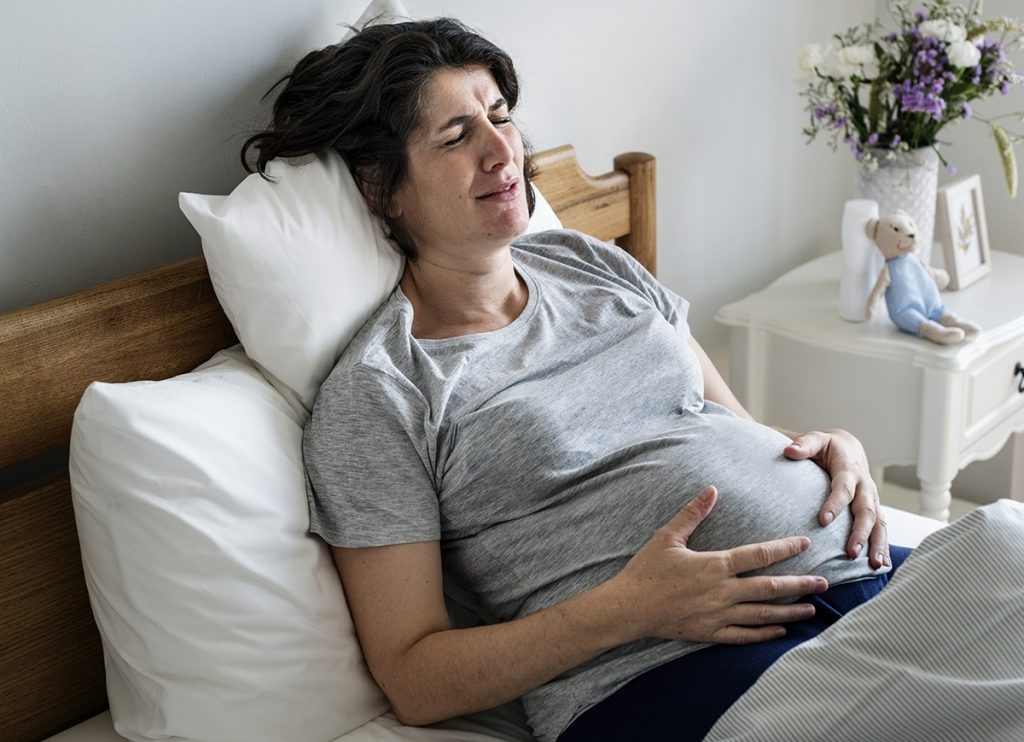
How to listen to labor symptoms and know when baby is really on the way. Whether this is your first baby or fourth, more than likely, you’ve got a bag packed for the hospital and sitting by the front door. (If you don’t, you should!) You’ve probably also got checklists on the fridge for family to get the mail, feed the pets and water the plants while you’re away. (Same here!) You’re as ready as you can be for baby to come. Being prepared is a great way to bring peace of mind to an otherwise stressful situation. But, when do you really know when it’s time to head to the hospital? Every woman’s journey is different and unique, but there are some signs of labor to look for as you’re waiting for baby’s arrival. Some are conveniently obvious, such as contractions and water breaking. But, other signs are more subtle. Signs of Labor Your water breaks. In only about 15 percent or less of women, water will break. If you’re fortunate to experience this obvious sign of labor, you know beyond a doubt that it’s time to head for the hospital. But, if you’re reading this blog, it’s likely because you may be experiencing more subtle signs. Keep reading to learn more. You’re having consistent contractions. These will become stronger and more frequent during labor onset. This is where all that knowledge from childbirth classes will kick in. Using a timer (there’s lots of apps for this in the App Store and on Android), time your contractions. If they are consistently happening every few minutes, it’s time to go to the hospital. Subtle Signs of Labor These signs are less obvious and can be more gradual. You’ll want to keep in touch with your doctor if you’re experiencing them. He or she can help you determine when to get in the car. The baby “drops.” This means your baby is getting into position for delivery, low within your pelvis. Your cervix dilates. During each visit as the due date draws near, your doctor checks whether your cervix is starting to dilate, or open, and/or efface, or thin out. You experience vaginal discharge and/or a change in color and consistency. You have diarrhea, loose-feeling joints, cramps, worsening back pain and fatigue. When to Call the Doctor During Late-Term Pregnancy If you’re not sure whether you’re experiencing any of these signs, it’s always best to call your provider, even if it’s after business hours. He or she will help you know if it’s time to hit the road for the hospital. Definitely give your doctor a call and head to the hospital in these situations: Your water breaks You notice bright-red discharge (blood) You develop a severe headache, blurred vision or sudden swelling. These are signs of preeclampsia. Our compassionate and experienced Grapevine and Fort Worth obgyns are here to help you have an informed, healthy pregnancy, labor and delivery. Contact us today for an appointment.