Understanding Pregnancy and Bone Health
Understanding Pregnancy and Bone Health Bone loss is common during pregnancy. Let’s discuss ways to combat it. Pregnancy is a profound journey marked by significant changes in a woman’s body. While the focus of an expecting mother is often on the growth and development of the baby, it’s crucial not to overlook the impact this transformative process can have on the mother’s health, including potential concerns like bone loss. In this blog, we’ll delve into the relationship between pregnancy and bone loss, why it happens, and most importantly, how to prevent it. Why Does Bone Loss Occur During Pregnancy? The idea that pregnancy might contribute to bone loss might come as a surprise to many. After all, isn’t pregnancy a time when a woman’s body is working in overdrive to provide optimal conditions for the developing baby? While this is true, certain factors can indeed influence the mother’s bone health. One key factor is the increased demand for calcium during pregnancy. Calcium is essential for the development of the baby’s bones, teeth and overall skeletal structure. If the mother’s diet lacks sufficient calcium, the body may compensate by drawing from the maternal bone stores, potentially leading to bone loss. Additionally, hormonal changes play a significant role. During pregnancy, the body produces higher levels of hormones like estrogen and progesterone, which are essential for maintaining the pregnancy. However, these hormones can also affect bone turnover, potentially leading to a temporary decrease in bone density. Calcium Demands During Pregnancy As mentioned earlier, calcium is a vital mineral required for baby’s bone development. When the mother’s dietary intake of calcium is insufficient, the body may extract calcium from the bones to meet baby’s growing demands. This can lead to a decrease in bone density. To counteract this, it’s crucial for pregnant women to ensure they get an adequate intake of calcium through their diet or supplements. Dairy products, leafy greens, nuts and fortified foods are excellent sources of calcium. Hormonal Changes During Pregnancy Pregnancy triggers significant hormonal fluctuations, particularly an increase in estrogen and progesterone. While these hormones are essential for a healthy pregnancy, they can also impact bone health. Estrogen, for example, plays a role in inhibiting bone breakdown. When estrogen levels rise during pregnancy, bone resorption may decrease, potentially leading to a temporary loss of bone density. However, the body usually compensates for this by increasing bone formation postpartum. This process is a natural part of the body’s adaptation to the demands of pregnancy. Preventing Pregnancy-Related Bone Loss Preventing bone loss during pregnancy is essential for the long-term health of both the mother and the developing baby. Fortunately, there are several steps one can take to ensure proper bone health during and after pregnancy. Balanced Nutrition To support both maternal and fetal bone health, maintaining a well-balanced diet rich in essential nutrients, especially calcium and vitamin D, is crucial. Calcium is the building block of bones, and vitamin D aids in its absorption. Dairy products, leafy greens, fortified foods and supplements (if recommended by a healthcare provider) can contribute to meeting these nutritional needs. Regular Exercise Weight-bearing exercises can help maintain bone density during pregnancy. Low-impact activities like walking, swimming and prenatal yoga can be beneficial. However, it’s essential to consult with a healthcare provider before starting any new exercise regimen during pregnancy to ensure it’s safe and suitable for individual circumstances. Prenatal Vitamins In addition to a healthy diet, prenatal vitamins prescribed by a healthcare provider can provide essential nutrients, including calcium and vitamin D, that support both maternal and fetal bone health. These supplements act as a nutritional safety net, especially for women who may have difficulty meeting their dietary requirements through food alone. Adequate Hydration Staying well-hydrated is crucial for overall health, including bone health. Water is essential for transporting nutrients, including calcium, throughout the body. Pregnant women should aim to drink an adequate amount of water daily to support their bones and overall health. Conclusion Pregnancy is a time of incredible transformation and requires careful attention to both the mother’s and baby’s well-being. While some bone loss may occur during pregnancy, it is typically a temporary and reversible process. Through a combination of a balanced diet, appropriate supplementation, regular exercise and prenatal care, women can safeguard their bone health during this critical time. Consulting with a healthcare provider is paramount to developing an individualized plan that addresses specific needs and ensures a healthy pregnancy journey for both mother and baby. Contact us today to learn how we can support your healthcare needs.
Medications During Pregnancy: What’s Safe and What’s Not
Medications During Pregnancy: What’s Safe and What’s Not Pregnancy is a time of great anticipation and joy, but it also comes with its fair share of concerns, especially when it comes to the use of medications. Expectant mothers often wonder which medicines are safe to take during pregnancy and which ones should be avoided to ensure the health and well-being of both the mother and the developing baby. In this blog, we will explore the topic of medications during pregnancy, discussing which medicines are generally considered safe and which should be used with caution or avoided altogether. The Importance of Safe Medications During Pregnancy Before delving into specific medications, it’s essential to understand the significance of making safe choices during pregnancy. The developing fetus is highly vulnerable to the effects of drugs and other substances. Some medications can potentially harm the baby, leading to birth defects, developmental issues or other complications. Therefore, it’s crucial for expectant mothers to consult with healthcare professionals before taking any medication to ensure they make the right choices for their unique circumstances. Safe Medications During Pregnancy Prenatal Vitamins Prenatal vitamins are specifically formulated to provide essential nutrients, such as folic acid, iron, calcium and other vitamins and minerals that are crucial for the healthy development of the baby. They are generally considered safe and are often recommended by healthcare providers to ensure that both the mother and baby receive the necessary nutrients. Acetaminophen (Tylenol) Acetaminophen is generally regarded as safe for pain relief and fever reduction during pregnancy. It is often recommended as an alternative to nonsteroidal anti-inflammatory drugs (NSAIDs), such as ibuprofen or aspirin, which should be avoided in most cases during pregnancy. Antacids Many pregnant women experience heartburn or indigestion. Antacids containing calcium carbonate or magnesium hydroxide are considered safe for occasional use during pregnancy. However, it’s essential not to overuse them, as excessive calcium intake can lead to complications. Topical Products Topical products, such as creams, ointments and lotions, are generally safe to use during pregnancy. They are applied externally and are unlikely to have a significant impact on the developing fetus. Insulin and Some Oral Diabetes Medications If you have diabetes and are pregnant, it’s crucial to manage your blood sugar levels to prevent complications. Insulin is considered safe and necessary for women with diabetes during pregnancy. Some oral diabetes medications may also be used under the guidance of a healthcare provider. Certain Antibiotics In some cases, antibiotics may be necessary to treat infections during pregnancy. Penicillin, amoxicillin and erythromycin are often considered safe choices when prescribed by a healthcare professional. Medications for Chronic Conditions If you have a chronic medical condition that requires medication management, such as epilepsy or hypertension, it’s important to work closely with your healthcare provider to adjust your treatment plan as needed to ensure the safety of both you and your baby. Medications to Use with Caution or Avoid During Pregnancy Nonsteroidal Anti-Inflammatory Drugs (NSAIDs) NSAIDs, such as ibuprofen and aspirin, should generally be avoided during pregnancy, especially in the third trimester. They may increase the risk of complications, including premature closure of the fetal ductus arteriosus and reduced amniotic fluid. Some Prescription Medications Certain prescription medications may pose risks during pregnancy, and their use should be carefully evaluated by healthcare providers. Examples include some medications used to treat depression, anxiety and epilepsy. It’s essential to discuss any preexisting medications with your healthcare provider before becoming pregnant. Over-the-Counter (OTC) Medications While some OTC medications are considered safe during pregnancy, others should be used with caution or avoided entirely. Always consult with a healthcare professional or pharmacist before taking any OTC medication during pregnancy. Herbal Supplements Herbal supplements and remedies can vary widely in safety during pregnancy. Many have not been thoroughly studied for their effects on pregnant women and fetuses, so it’s best to avoid them unless recommended by a healthcare provider. Prescription Pain Medications Some prescription pain medications, especially opioid-based drugs, should be used sparingly and only under the guidance of a healthcare provider. These medications can lead to dependence and withdrawal in both the mother and the baby. Smoking Cessation Medications If you are a smoker and wish to quit during pregnancy, it’s important to discuss smoking cessation options with your healthcare provider. Some medications used to quit smoking may have risks and benefits that need to be carefully evaluated. Conclusion Navigating the world of medications during pregnancy can be challenging, but it’s essential for the health and well-being of both the expectant mother and the developing baby. Always consult with a healthcare provider before taking any medication while pregnant, whether it’s a prescription, over-the-counter or herbal remedy. In most cases, there are safe alternatives available to address common health issues during pregnancy. The key is to prioritize communication with your healthcare team to make informed decisions that promote a healthy pregnancy and a positive outcome for you and your baby. Contact us today to learn how we can support your healthcare needs.
Pregnancy Nausea Tips
Pregnancy and Nausea: 7 Tips to Find Relief Nausea during pregnancy is a common occurrence. We have seven tips to help you feel better. While pregnancy can be a profound and rewarding experience, it comes with many challenges. One of the most common symptoms experienced during pregnancy is nausea. Nausea during pregnancy is often referred to as morning sickness, but it can occur at any time of the day. While it is not harmful to the baby, it can be uncomfortable for the mother. Here are seven tips to alleviate nausea during pregnancy so you can focus on preparing for the big day when you bring your baby home. Eat Small, Frequent Meals One of the most effective ways to alleviate nausea during pregnancy is to eat small, frequent meals. Instead of having three large meals a day, try to have six smaller meals. This will help to keep your blood sugar levels stable and prevent nausea. When choosing what to eat, try to focus on foods that are easy to digest. Avoid greasy or spicy foods, as they can make nausea worse. Instead, choose foods that are high in protein and complex carbohydrates, such as whole-grain bread, lean meat, and vegetables. Stay Hydrated Dehydration can make nausea worse, so it’s important to stay hydrated during pregnancy. Drinking water throughout the day can help to keep you hydrated and may alleviate nausea. If you find it difficult to drink plain water, try adding some flavor to it. Add a slice of lemon, lime or cucumber to your water to make it more enjoyable to drink. Avoid Strong Smells Pregnancy may cause hyperosmia, an overwhelming sensitivity to smells. Typically, it only lasts through the first trimester. If you find that certain smells make you feel nauseous, try to avoid them. If you need to be in an environment with smells you can’t avoid, you may try wearing a mask, using mints or gum, or essential oils to help mask any strong smells. Get Plenty of Rest Fatigue can make nausea worse, so it’s important to get plenty of rest during pregnancy. Try to get at least eight hours of sleep each night, and take naps during the day if you need to. If you find it difficult to sleep, try using relaxation techniques such as deep breathing or meditation. You could also try using a pregnancy pillow to help you get comfortable. Try Acupressure Acupressure is a traditional Chinese medicine technique that involves applying pressure to specific points on the body. It has been shown to alleviate nausea in some women during pregnancy. One acupressure point that is often used to alleviate nausea is the P6 point, which is located on the inside of the wrist. You can stimulate this point by applying pressure with your thumb and massaging in a circular motion. Ginger Ginger is a natural remedy that has been used for centuries to alleviate nausea. It is safe to use during pregnancy and has been shown to be effective in reducing nausea. You could try drinking ginger tea, chewing on ginger candy, or taking ginger supplements to help alleviate nausea. It’s important to talk to your healthcare provider before taking any supplements during pregnancy. Talk to Your Healthcare Provider If your nausea is severe or persistent, it’s important to talk to your healthcare provider. They may be able to prescribe medication to help alleviate nausea. It’s important to note that not all medications are safe to use during pregnancy, so talk to your healthcare provider before taking any medication. Conclusion Nausea during pregnancy is a common symptom. By eating small, frequent meals, staying hydrated, avoiding strong smells, getting plenty of rest, trying acupressure, considering ginger, and talking to your healthcare provider, you may be able to alleviate nausea during pregnancy. Remember, it’s important to talk to your healthcare provider before trying any new remedies or medications during pregnancy. Contact us today if you’re pregnant, or considering pregnancy, and we’ll be happy to answer any questions you have.
Pre-Menopause Signs
Signs of Pre-Menopause The average age for women to experience natural menopause is their early 50s. The rare condition of premature menopause happens before age 40. “I can’t be going through menopause! I’m too young!” Maybe you’ve missed a period or two. Maybe you’re experiencing some unusual symptoms. Maybe you think you’re having a hot flash. If so, it’s time to talk to your doctor. These situations could lead to a variety of diagnoses. Premature menopause, while rare, could be the culprit. What is Premature and Early Menopause? Premature and early menopause are conditions in which a woman experiences menopause at an earlier age than expected. Both conditions can result in being unable to become pregnant. If there is no clear medical or surgical cause for premature menopause, this is referred to as primary ovarian insufficiency (POI), or premature ovarian insufficiency. Early menopause occurs between ages 40 and 45 and affects about 5 percent of women. Premature menopause, which is menopause occurring before age 40, affects around 1 percent of women. When Does Normal Menopause Occur? Menopause is happening if you’ve gone a full 12 months with no menstrual period. At that point, your ovaries stop making estrogen and progesterone, the female hormones that maintain menstrual cycles and fertility. Menopause ceases naturally for most women around age 51. Menopause may be induced early for life-saving reasons such as surgery, chemotherapy or radiation. However, in some women, genetic conditions, autoimmune disorders or unknown reasons may bring about menopause. The symptoms of menopause range from annoying to serious, spanning from disrupted sleep to hot flashes, dry eyes, mood changes and weight gain. But experiencing these symptoms in your 20s, 30s and early 40s might make you feel like you’re growing old overnight and aging faster than your friends. Unfortunately, the signs aren’t always clear for premature or early menopause. Changes in mood can happen for different reasons. Maybe you’ve felt a hot flash. Maybe not. What exactly is a hot flash? A hot flash is a sudden feeling of warmth that spreads over the body and is usually most intense around the face, neck and chest. What Causes Premature Menopause? Causes for premature menopause include some medical conditions or treatments. Often the cause may not be known. Possible factors that could contribute to premature menopause include: Surgery to remove the ovaries Smoking Hysterectomy Side effect from chemotherapy or radiation Family history of early menopause Medical conditions including chromosomal abnormalities and autoimmune disorders Certain infections like the mumps Symptoms of Premature Menopause Premature menopause shares many of the symptoms of normal menopause including: Hot flashes (sudden warmth that spreads over the body) Vaginal dryness; discomfort during sex A pressing need to urinate more frequently Difficulty sleeping Irritability, mood swings, mild depression, worsening anxiety Dry skin, dry eyes or dry mouth Breast tenderness Racing heart Headaches Joint and muscle aches and pains Weight gain Hair loss or thinning How is Premature Menopause Treated Treatment for premature menopause can vary depending on the causes. Hormone replacement therapy (HRT) is often recommended to women with premature menopause barring a medical reason not to. There is a lot of confusion surrounding the safety of hormone therapies. But many of the risks of hormone therapy after natural menopause do not apply to women with premature menopause. It is important to discuss the pros and cons of hormone therapy with your doctor. In Conclusion If early menopause is something you’re worried about, we are here to answer your questions. It’s never too early to ask questions. Missing periods can be a sign of other health concerns, such as heart disease, dementia, MS and osteoporosis. If you are in early or premature menopause, you may need extra time and support to come to terms with your diagnosis and the consequences, including the potential long-term health impact and loss of fertility. Sharing your concerns with your partner, friends and your health care provider or psychologist can help. Understanding what is happening to your body and what you can do about it is key. Contact us today if you have any questions.
When Do You Stop Being Fertile?
When Do You Stop Being Fertile? How to Know When You’re No Longer Capable of Getting Pregnant Whether or not you’re trying to get pregnant, many women have questions about their fertility. How are you supposed to know when you can no longer get pregnant? It’s never too soon to begin thinking about your fertility. Fertility and Age Age is the biggest factor that affects a woman’s fertility. While good health does improve the chances of getting pregnant, it does not override the impacts of aging. The peak reproductive years for a woman occur between the late teens and late 20s. Fertility begins to decline by age 30, and this decline becomes more rapid once you reach your mid-30s. By age 45, fertility declines to the point that getting pregnant naturally is unlikely for most women. A woman in her early to mid-20s has a 25-30 percent chance of getting pregnant every month. By age 40, the chance of getting pregnant in any monthly cycle drops to around 5 percent. Your Ovaries and Eggs Women begin life with a fixed number of eggs in the ovaries. As you age, this number decreases. The remaining eggs that an older woman has are also more likely to contain abnormal chromosomes. Furthermore, as women age, they are at a higher risk of disorders that can affect fertility, like uterine fibroids and endometriosis. Currently, there is not a medical technique that will guarantee fertility will be preserved. One option for women who want to have children later in life is in vitro fertilization (IVF). With IVF, sperm is combined with a woman’s eggs in a laboratory, causing embryos to grow. Testing for Infertility Doctors use a variety of methods to identify any problems that may cause fertility problems: Pap smear – This test is used to detect abnormal cells around the cervix, such as cervical cancer or sexually transmitted diseases. Ovulation tests – This is an at-home test that checks your urine for when you are the most likely to be fertile. Luteinizing hormone – Your doctor may ask for a urine test to check for this hormone, which shows up in higher levels just before ovulation. Progesterone – A blood test will reveal the levels of progesterone in your blood. Increases of progesterone indicate that you are ovulating. Thyroid problems – Issues with the thyroid can lead to hormonal problems that affect regular ovulation. Conclusion If you are under age 35 and trying to get pregnant, try timing your intercourse with ovulation for at least 12 months. If you are over 35 and have been trying to conceive for six months or more without success, contact us today to discuss your concerns.
What You Need to Know About a Prolapsed Bladder
What You Need to Know About a Prolapsed Bladder This condition can be common following a hysterectomy, but there are treatment options. A prolapsed bladder, also known as cystocele, is a common condition that occurs when the bladder drops into the vaginal space due to weakened pelvic muscles and ligaments. This can occur following a hysterectomy, which is a surgical procedure to remove the uterus. In this blog, we will discuss the causes and treatment options for a prolapsed bladder following a hysterectomy. What Causes a Prolapsed Bladder? A hysterectomy involves removing the uterus, which can weaken the pelvic floor muscles and supporting ligaments that hold the bladder in place. As a result, the bladder can shift downwards and bulge into the vaginal space, causing discomfort and incontinence. Other factors that can contribute to a prolapsed bladder include: Chronic coughing or constipation Aging and hormonal changes Obesity or weight gain Repetitive heavy lifting Genetic predisposition Chronic straining during bowel movements Symptoms of Prolapsed Bladder Following Hysterectomy The symptoms of a prolapsed bladder may vary depending on the severity of the condition. Some of the common symptoms include: A feeling of fullness or pressure in the pelvic area Difficulty urinating or a weak urine stream Incontinence or leakage of urine Pain or discomfort during sexual intercourse Lower back pain Vaginal bleeding or discharge How is Prolapsed Bladder Treated? There are several treatment options available for a prolapsed bladder following a hysterectomy. The choice of treatment depends on the severity of the condition and the patient’s overall health status.
Tips for Summer Family Travel

In a COVID-19 world, prepare for your summer vacations wisely. Summer is upon us, and with it brings the urge to travel. As more people are vaccinated against COVID-19 and restrictions are loosening, many families are celebrating with post-pandemic summer vacations. Here are some tips for traveling with your kids this summer: Road Trip Pit Stops for Kids If you’re taking a road trip, this typically means many hours in the car. Take the time to schedule some kid-friendly pit stops rather than just the gas stations. On long car rides, kids often have a lot of built-up energy, and a quick trip to the restroom while mom or dad fills the car won’t be enough to get their wiggles out. Along with your fuel and meal stops, look for unique and fun places to stop that will allow the whole family to stretch their legs and burn some of that pent-up energy. If it’s hard to find a park or other fun spot, spend some time at a play zone inside a fast food restaurant. You Can’t Have Too Many Snacks on Trips with Kids It’s human nature to become grumpy when you’re hungry. A grumpy child can make a car ride seem much longer than it needs to be. Whether you’re in the car, at the beach, or camping, it’s a good idea to have plenty of healthy snacks on hand, like cheese sticks, fruit, whole grain crackers, beef jerky and granola bars. Research has shown that high amounts of sugar can make kids hyper. But if you’re a parent, you probably already know that! Road Trip Car Activities Before you leave, stock the car with as many activities as possible. Try hanging an organizer on the back of the driver and passenger seats that you can fill with activities like Play-Doh, drawing pads and colored pencils or markers, puzzles and books. Some organizers even come with a fold down tray that becomes a table for each child. If you’re flying to your destination, fill a backpack with games and activities to keep everyone occupied. Let Your Kids Set the Pace Often, a vacation can become stressful as we rush to see every sight and do every activity. This is also stressful for your child. Try taking some days to let your child’s pace dictate how much you do. Even if you don’t get to see and do everything, your children won’t burn out or throw tantrums. Summer Travel During COVID Continue to follow CDC guidelines while you’re traveling this summer. Remember that each state has different requirements regarding masks and distancing. If you’re traveling with children who have not been vaccinated, it’s a good idea for them to continue wearing masks. It’s better to be outside than inside if you’re traveling to areas with large groups of people.
Your Breech Baby
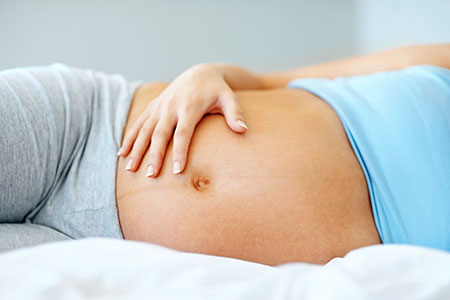
Our Southlake, Fort Worth ObGyns explain what happens when you carry a breech baby You’re ready to give birth, and you feel like you’re prepared — until your ObGyn tells you that you have a breech baby. For a vaginal birth, the baby is ideally positioned head down, but 3 to 4 percent of pregnancies involve a breech baby. During the last weeks of pregnancy, if the baby is positioned buttocks, feet or both first instead of head down, we call it a breech presentation. Breech Positions Defined Every breech baby doesn’t present in the same position. Your breech baby may be in one of three breech positions. Our Southlake and Fort Worth ObGyns may refer to your breech baby in these ways. When the baby presents bottom down first and has bent knees, this is a complete breech. If the baby stretches his or her legs out toward the head, we call it a frank breech. When the baby is positioned with one leg hanging down, we call it a footling or incomplete breech. Our Southlake and Fort Worth ObGyns may discover your breech presentation during a pelvic examination or when they are feeling your belly. If so, they will order an ultrasound to confirm their suspicions. Can My Breech Baby Be Repositioned? We might be able to turn a breech baby using external cephalic version, or turning the baby. According to the American Congress of Obstetricians and Gynecologists, more than 50 percent of the time, turning a breech baby baby works; however, some babies may turn back into the breech position after the procedure. If you still have a breech position after week 36, we may try to turn the baby. This procedure should be done where a delivery room is easily accessible in the rare case that any problems occur. During the procedure, your ObGyn will use her hands to apply firm pressure to the abdomen to get the baby to rotate to a head-down position. During this process, we use an ultrasound to guide us, and we monitor the baby’s heart. Not every mother with a breech baby will qualify to have an external cephalic version. We do not attempt this with a mother carrying multiples. What Are My Delivery Options for a Breech Baby? If your baby has not turned head down, you will probably need a C-section. This is usually the safest way to deliver a breech baby for the sake of both mother and baby. Talk to our Southlake and Fort Worth ObGyns if you have concerns about a C-section. We are highly experienced in performing the procedure. For more information about pregnancy and birth, contact us for an appointment.
Maintaining Your Mental Health During Winter Months

Seasonal affective disorder mixed with a pandemic create extra challenges during “winter blues” months. For many of us, with the winter months can come “the winter blues.” Days are shorter, weather is colder. And with the addition of COVID-19, this winter is like no other. Many have been working from home, isolated due to travel restrictions and case counts. And sadly some have lost family members and friends to the pandemic. We’re all adjusting to a changing world as the headlines continue to scroll in. “The winter blues” might be more intense this year. And knowing the difference between sadness and depression can be difficult. Am I Sad Or Depressed? It’s completely normal to feel sad now and then. It’s also normal to feel a bit more sad during the winter months. But depression and sadness aren’t the same thing. And in some cases the depression leads to seasonal affective disorder (SAD). Seasonal affective disorder is estimated to affect 10 million Americans. Another 10 percent to 20 percent may have mild SAD. SAD is four times more common in women than in men. — Psychology Today Symptoms of SAD Symptoms of seasonal affective disorder can include intense issues with sleeping and eating, increased use of drugs and alcohol, and general trouble functioning. These symptoms feel more intense and severe during the long winter months and may be exacerbated by social isolation and life changes. Tips For Getting Through The Winter in Good Mental Health Here are some things to try if you’re feeling depressed by this particularly difficult season. Take a “news break.” With the pandemic sending many of us into our homes, it’s undoubtedly increased our screen time. While it’s important to stay informed, the constant barrage of the 24-hour news cycle takes a toll. While it may sound challenging, try to work toward only one hour of news a day. Keep up a healthy sleep routine. This includes going to bed and waking up on a consistent schedule and avoiding electronics in the bedroom. Experimenting with temperature and other strategies will help you find what works best for you. Get active. Even with lockdowns and restrictions, you can still get outside. Even if it’s just for an hour a day it will provide you with necessary Vitamin D and boost your mood. Use your support system. 2020 and 2021 have taught us that human interaction is vital to mental health. As isolation has kept us from the people we love, it’s become challenging to maintain those connections. Reach out to your support system: Friends, family, co-workers. Anyone you trust. If you still find yourself unable to cope with dark thoughts and feelings, or unable to function in the way you know you’re capable of, it may be time for professional help. This could include medication. Talking to your doctor about where to begin is the best way to start. Contact us today, and we can help point you in the right direction for your best mental health.
To Mask or Not to Mask During COVID-19 Pandemic

During the COVID-19 Pandemic, We Discuss The CDC Face Mask Guidelines There has been a lot of confusion and outright debate about the use of masks in public as all states with stay-at-home orders are now either open or slowly opening amid the ongoing coronavirus pandemic. On April 16, 2020, The Dallas Morning News reported that Dallas County was requiring the use of masks at essential businesses and on public transportation. Then, on May 12, WFFA Channel 8 reported that the Texas Attorney General argued that the city of Dallas couldn’t make masks a requirement as it was in conflict with Governor Greg Abbott’s executive orders in responding to the pandemic. The long and short of it: Some businesses are requiring masks, and some aren’t. Therefore, as we go out into public, we see a mix of mask wearers and non wearers. We hear many heated opinions in our social media feeds. The information has become confusing and at times overwhelming. So, what should we do? Should We Wear Masks During COVID-19? According to the Centers for Disease Control and Prevention, covering the face does help slow the spread of the virus and may help stop transmission from those who have it and don’t know it. They recommend the use of a cloth face covering or mask in public settings when social distancing isn’t easy to maintain. This would include places like grocery stores or pharmacies. If you’re taking a walk in the park, there’s no need for a mask. Enjoy the air on your face! The CDC gives the following recommendations for how your mask should be worn and maintained. Cloth face coverings should: Fit securely to the side of the face Be tied snugly or looped around ears Have multiple layers of fabric Not restrict breathing Be able to be laundered and dried without losing shape It’s important to note that a mask is not a substitute for any of the other precautions we should all still be taking (social distancing, limiting crowds, frequently washing hands, etc,). As the debates continue from a policy perspective, we must continue to do our part from a public health perspective. We all want life to return to normal as soon as possible. We want our economy to be as functional and as strong as possible. We want our kids and elderly to be safe and protected. We want our schools and churches and sports arenas open. So, let’s do our part and follow the guidelines laid out by the CDC and our health experts. Stay abreast of local mandates for the latest information that applies to you and your city/county. Visit the CDC website for more guidelines and tips on making face coverings.