
Annual Well Woman Exam

Four reasons why you still need an annual well woman exam Even though you no longer need an annual Pap smear, you still need an annual well woman exam. This yearly appointment with our Grapevine and Fort Worth obgyns is the best way to prevent problems and stay healthy. An annual well-woman exam provides fundamental preventive care Here are four important reasons why your annual well woman exam is an essential appointment. It’s a vital opportunity for preventive care. Your annual well woman exam is about much more than a Pap smear and a pelvic examination. It’s about your overall health. Screening tests help evaluate your health. During your annual well woman exam, your physician may discuss the need for various types of screening, based on your age, health and risk factors. For example, starting at age 40, our physicians generally recommend a yearly mammogram. Our obgyns also recommend bone density screening for women age 65 and over. Pap guidelines have changed and a Pap smear is no longer needed at every annual well woman exam. Here is a summary of the new requirements. If you are age 21 to 29, you need a Pap test every three years. If you are age 30 to 65, our physicians recommend a Pap smear and an HPV test every five years. You may also opt to have a Pap test every three years. At your annual well woman exam, our Grapevine and Fort Worth obgyns counsel you about several essential lifestyle and health issues. During your annual well-woman exam, our physicians discuss everything from birth control options and sexual health to depression and weight management. Your yearly appointment is the perfect time to ask questions. Whether you are planning to become pregnant and want to ask about preconception counseling, or you are wondering about changes caused by menopause, your annual well-woman exam is a great time to talk with your physician. Our Grapevine and Fort Worth obgyns care about your health and well-being At your annual well-woman exam, you and your physician work together to achieve your best health. Contact us for an appointment with our Grapevine and Fort Worth obgyns.
Finding Your Target BMI

Determining and reaching your target BMI You’ve probably heard our Fort Worth and Grapevine obgyns mention that it is important to reach and maintain a healthy body mass index, or BMI. In order to do this, you need to know your target BMI. To help you on your journey to health and wellness, our obgyns have some information about how to determine your target BMI and how to reach it. How to calculate your target BMI The easiest way to determine your target BMI is to use an online BMI calculator. The Centers for Disease Control and Prevention (CDC) offer a helpful calculator online. The normal BMI range for adults is 18.5 to 24.9. Anything under that range is considered underweight, while anything over it is considered overweight or obese. Health risks are associated with BMIs that are outside of the normal range. Individuals with high BMIs are more likely to develop health conditions, including diabetes, high blood pressure, heart disease, certain cancers, sleep apnea and pregnancy complications. In contrast, people with low BMIs have an increased risk of developing osteoporosis, iron deficiency, anemia, infection, hair loss, lung disease and muscle wasting. Both low and high BMIs can also cause infertility. For these reasons, our Fort Worth and Grapevine obgyns stress the importance of adopting a healthy lifestyle. Eat a balanced diet. Food plays a huge role in health and weight. Strive to eat fruits, vegetables, whole grains, lean meats and fat-free or low-fat dairy products. If you are a vegetarian or vegan, strive to incorporate other sources of protein, such as beans and nuts. Stay active. Balance the time that you sit every day with hikes, bike rides, yoga and other activities that get you moving. You can start slow by exercising for a few minutes at a time and moving up to longer increments as you gain strength and endurance. Get help. You don’t have to do it alone. If you’re struggling to lose or gain weight, partnering with our Fort Worth and Grapevine obgyns or a nutritionist will improve your chances of success. Your partners in health Our Fort Worth and Grapevine obgyns are your partners in health. From well-woman appointments to information about how to find your target BMI, our obgyns offer a full range of services to help you live a happy and healthy life. Contact us to schedule an appointment and take control of your health.
Your Health and Fitness

Five health and fitness tips for a healthier 2018 Our Fort Worth and Grapevine obgyns are here to help you achieve optimal health. In 2018, our physicians urge you to take control of your health and fitness. Follow our health and fitness tips in 2018 for a healthy year and life Healthy habits pay dividends in the present and the future for women of all ages. If you adopt these five health and fitness practices, you will reduce your risk of developing health problems, including certain cancers, cardiovascular disease and diabetes. You will also improve your general and reproductive health. Eat a healthy, balanced diet. A healthy diet should include the following. Lean proteins, including grilled, broiled or baked fish, meat, poultry and legumes Fruits and vegetables Whole grains Foods rich in calcium, including dairy products, kale and broccoli In addition, limit sugar and saturated fats. Track your food intake and practice portion control. Part of improving your health and fitness is weight management. Keep track of what and how much you eat with a mobile app. Educate yourself about portion sizes and practice portion control. Get 60 to 90 minutes of moderate to intense exercise each week. If exercise hasn’t been a part of your life, start slowly. Move more and exercise in 10 minute increments. Address stress and mental health issues in your life. For better health and fitness, it’s important to address stress, depression and other mental health issues that can affect your daily life. Yoga, meditation or counseling can help. If you are planning to get pregnant, focus on preconception health. A preconception counseling appointment with our Fort Worth and Grapevine obgyns can help you plan for a healthy pregnancy. Important goals for preconception health include getting to and maintaining a healthy weight, eating a healthy diet, getting enough exercise and reducing stress. You should also begin taking folic acid supplements. Our Fort Worth and Grapevine obgyns can help you get healthy Our physicians can help you achieve your health and fitness goals. Contact us to schedule an annual wellness or preconception counseling appointment.
Prevent UTIs

6 steps you can take to prevent UTIs Do you cringe when you think about UTIs? Urinary tract infections, or UTIs, occur in the urinary tract and are caused by bacteria. It isn’t always possible to prevent UTI’s and their annoying symptoms of urgency, burning and frequency of urination. However, our Fort Worth and Grapevine ObGyns have some recommendations to help stop UTIs before they start. Six good habits you should adopt to help prevent UTIs Drink up Water is your friend in the fight to prevent UTIs. Our ObGyns encourage you to drink six to eight glasses of water each day. Practice good hygiene You’ve heard that you need to wipe yourself from front to back, but you may not know the reason. Wiping from back to front can spread bacteria to the urinary tract and cause an infection. Avoid feminine products Feminine products such as douches, deodorants and scented soaps aren’t necessary to keep your vaginal area clean. Simply wash the skin in your genital area, including your anus, with water to prevent UTIs. Empty things out During your busy day, you may wait to urinate. It’s important that you urinate as soon as you feel the urge, which is usually every two or three hours. In addition, you should take enough time in the bathroom to ensure that you are emptying your bladder completely. Get out of bed You may love to cuddle after sex, but you should go to the bathroom first. You can prevent UTIs by making a trip to the bathroom to empty your bladder both before and after sex. Your urinary tract will thank you. Get loose Avoid wearing tight pants and underwear that can trap moisture, setting up the perfect environment for bacteria to breed. Our Fort Worth and Grapevine ObGyns are here to help you prevent UTIs. Contact us for an appointment.
Genitourinary Syndrome

Genitourinary syndrome, the menopausal problem women may not know about Menopause can make you want to swear off sex. The decrease in levels of estrogen and other hormones after menopause causes changes to the vagina that can cause genital and urinary symptoms in women. This condition is known as genitourinary syndrome. Our Grapevine and Alliance ObGyns know that you might be hesitant to discuss these symptoms with us, but talking about the condition is the first step in treating it. What are the symptoms of genitourinary syndrome? [righttextbox]“GSM is thought to affect about half of all postmenopausal women.” —http://www.issm.info/sexual-health-qa/what-is-genitourinary-syndrome-of-menopause-sgm[/righttextbox] The symptoms of genitourinary syndrome may impact the clitoris, labia, vagina, urethra or bladder. Genital symptoms Vaginal burning, dryness or irritation Vaginal discharge Itchy genitals Discomfort or pain during sexual intercourse due to lack of lubrication and tightening and shortening of the vaginal canal Urinary symptoms Feeling urgency to urinate Burning during urination Increase in urinary tract infections Experiencing urinary incontinence How is genitourinary syndrome treated? If you are experiencing any of the symptoms of genitourinary syndrome, you shouldn’t suffer in silence. Our Grapevine and Alliance ObGyns will talk about the problems in an open and caring way that we hope will make you feel comfortable and hopeful, knowing treatment is available. There are a variety of treatment options. Over-the-counter remedies include vaginal moisturizers and water-based lubricants to help reduce pain and irritation during sex. If these methods don’t work, our ObGyns may prescribe topical vaginal estrogen in cream, tablets or in a soft, flexible ring. Some women may benefit from systemic estrogen or estrogen/progestin therapy, administered via pills, gel, patches or an estrogen ring. Women with urinary symptoms may benefit from pelvic-floor physical therapy or other treatments for urinary incontinence. Prevention advice includes regular sexual activity When you are in the throes of genitourinary syndrome symptoms, you may find this bit of advice hard to imagine, but it’s important to spend some time in the bedroom. Participating in regular sexual activity can keep vaginal tissues healthy by increasing blood flow. If you’re experiencing pain, treatment can help you enjoy sex again. You shouldn’t ignore the symptoms of genitourinary syndrome. Contact us – we’re here for you.
Today’s IUDs
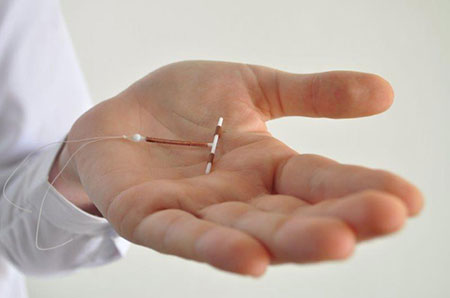
3 truths about today’s IUDs Our Grapevine and Alliance ObGyns want to update women about today’s IUDs, one of the most effective forms of birth control currently available. IUDs are a form of long-acting reversible contraception, known as LARC. ObGyns sometimes call it “set it and forget it” birth control because once IUDs are in place, they can remain in the uterus for a period of 3-10 years, depending on the type of IUD. We would like women to know the truth about IUDs. Three important truths women should know about today’s IUDs Today’s IUDs are safe to use for almost every woman. The Dalkon Shield IUD, on the market through the 1970s, was implicated in some cases of serious pelvic inflammatory disease, or PID. The Dalkon Shield received quite a bit of negative publicity and was taken off the market. Today’s IUDs have been shown to be very safe and serious side effects and complications rarely occur. In addition, in the past, IUDs were not recommended for adolescents or women who had not given birth, but today’s IUDs work for these patients. IUDs are highly effective. IUDs are the most effective form of reversible birth control available today; in fact, today’s IUDs have the same effectiveness rate as permanent sterilization. Fewer than 1 in 100 IUD users become pregnant during the first year of typical use. IUDs are available in both hormonal and non-hormonal forms. Today’s IUDs have evolved and improved. Now, women can choose from a copper IUD, which does not contain any hormones, or hormonal IUDs. Copper IUDs can be left in place for up to ten years, while hormonal IUDs remain in the uterus for a period of 3-5 years. Today’s IUDs, like any contraceptive method, offer several benefits, including: They don’t interfere with sexual intercourse. They can be used while breastfeeding and be placed immediately after pregnancy or miscarriage. They are completely reversible – simply remove the device when ready for pregnancy. Talk to our physicians about possible side effects and risks. Our experienced ObGyns can help you choose a contraceptive method Women should discuss their contraceptive needs with our Grapevine and Alliance ObGyns. Our physicians are always willing to answer questions and offer expert advice. Contact us to learn more about today’s IUDs.
Optimizing Natural Fertility

The truth about optimizing natural fertility When you’re ready to get pregnant, you may talk to friends or look to the internet for tips on optimizing natural fertility. Unfortunately there are many myths out there and tips you don’t need to follow, including the ones below. You don’t have to lie flat on your back with your legs in the air after sex. Your sexual position during sex will not help you get pregnant. You don’t have to eat certain foods to improve your chances for conceiving. Basically, one of the most important things to know about getting pregnant is to seek knowledge and ignore myths. Our Grapevine and Fort Worth ObGyns are here to tell you the truth about optimizing natural fertility. Three important facts about optimizing natural fertility It’s important to know when you are ovulating. For optimizing natural fertility, the very best time to have sexual intercourse is the six days prior to ovulation, known as the fertile window. Most experts recommend that couples have sex every one or two days during the fertile window in particular. Ovulation usually occurs 14 days before the next menstrual period during a regular cycle. Couples can purchase ovulation prediction kits to help them determine when ovulation occurs. Certain lubricants may negatively affect your fertility. Many couples may not realize that certain lubricants that are frequently used during sex may adversely affect sperm’s motility or movement. Optimizing natural fertility means avoiding popular lubricants like Astroglide®, KY® and others. Instead, use natural lubricants like canola or mineral oil or Pre-Seed® brand when you are trying to get pregnant. Lifestyle choices matter. One of the most important things couples can do when optimizing natural fertility is to make smart lifestyle choices. This includes adopting several good habits. Both partners should avoid smoking. Women should eliminate alcohol and reduce caffeine use; men should reduce alcohol and caffeine use. Neither partner should use recreational drugs. Women should begin taking a prenatal vitamin every day. Optimizing natural fertility isn’t difficult once you understand the truth and ignore the myths. Our Grapevine and Fort Worth ObGyns are here to help you with preconception counseling appointments, the ideal opportunity for you to get helpful and honest advice. Contact us today for an appointment.