Back to School Health: Preparing Your Teen for Her First Gynecology Visit
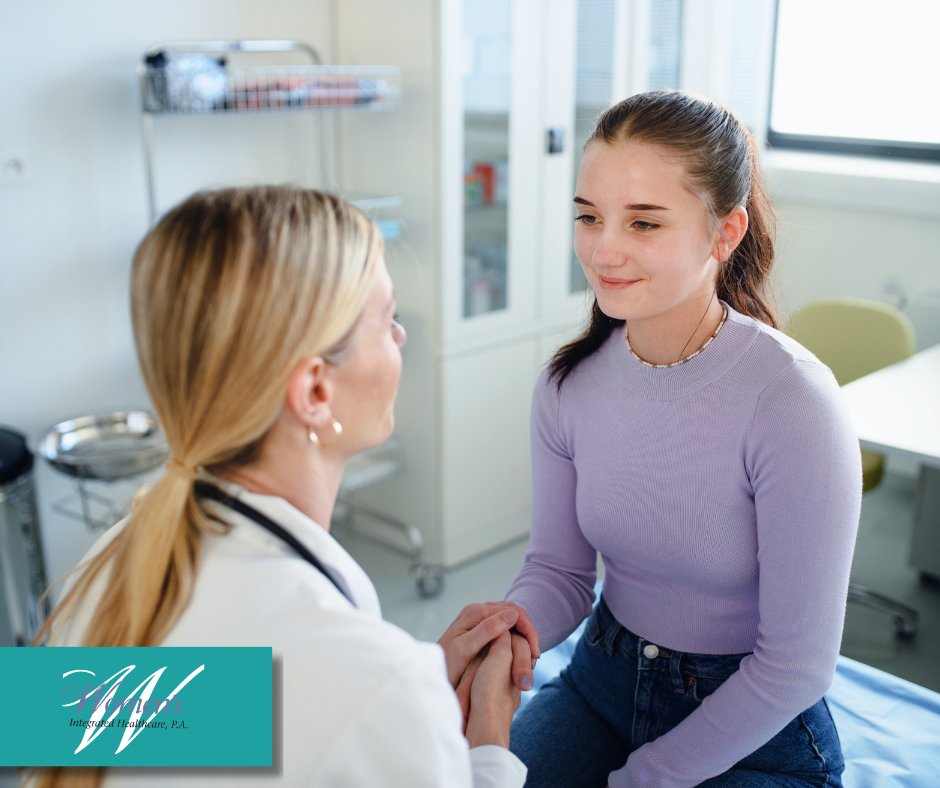
Sarah remembers feeling nervous when her mother told her it was time for her first gynecology appointment. She pictured stirrups, uncomfortable exams, and awkward questions. But when she actually sat down with the doctor, the visit was simply a conversation about her changing body, her menstrual cycle, and how to stay healthy. She left feeling informed and relieved. August is the season for back-to-school physicals, sports clearances, and immunization updates. It is also the perfect time to schedule another important health milestone. The American College of Obstetricians and Gynecologists recommends that young women have their first visit with a gynecologist between the ages of 13 and 15, regardless of whether they are sexually active. For many parents and teens, this recommendation brings up questions and anxiety. Understanding what actually happens during this initial appointment can help both of you feel more comfortable and prepared. What Happens During the First Visit? The most important goal of the first gynecology visit is education and establishing trust. Your daughter’s doctor wants to create a safe, confidential space where she feels comfortable asking questions about her health. In most cases, a pelvic exam is not required during the first visit. Instead, the appointment usually consists of a general physical exam. The doctor will check her height, weight, and blood pressure, and may also perform an external visual exam. The majority of the appointment will be spent talking. The doctor will ask about her medical history, family health history, and menstrual cycle. This is an excellent opportunity for your teen to ask questions about cramps, irregular periods, acne, or emotional changes. Topics Commonly Discussed A gynecologist is a specialist in female health, making them the perfect resource for a teenage girl navigating puberty. During the visit, the provider will likely cover several important areas. Menstrual health is one of the most common reasons teens benefit from this visit. Many young women experience irregular, heavy, or painful periods and assume that suffering through them is normal. The doctor can explain what is and is not typical, and offer solutions for managing severe cramps or unpredictable cycles. If your teen is experiencing period pain that regularly interferes with school or daily activities, the provider may discuss conditions like endometriosis, which often goes undiagnosed for years when symptoms are dismissed as ordinary cramps. The visit will also cover hygiene and body changes. Puberty brings many physical developments that can feel confusing or alarming. The provider can offer guidance on normal vaginal discharge, proper hygiene, and what to expect as her body continues to mature. The doctor will also discuss healthy lifestyle choices, including good nutrition, regular exercise, healthy sleep habits, mental health, and stress management. How to Prepare Your Daughter Communication is the best way to reduce anxiety before the appointment. Talk to your daughter about why this visit is important for her overall health. Explain that the doctor is there to help her understand her body, not to judge her or make her uncomfortable. Let her know that it is completely normal to feel nervous, and encourage her to write down any questions she wants to bring up. At Women’s Integrated Healthcare, our Fort Worth and Southlake GYN teams are specially trained in adolescent gynecology. We prioritize making young women feel safe, respected, and heard. As she grows, we will continue to provide comprehensive care, including her future well-woman exams. If it is time for your daughter’s first visit, schedule an appointment with Women’s Integrated Healthcare today. We welcome patients from Fort Worth, Southlake, and surrounding areas to begin a lifetime of personalized, woman-centered care.
What Does an Abnormal Pap Smear Mean? Next Steps and Understanding Colposcopy
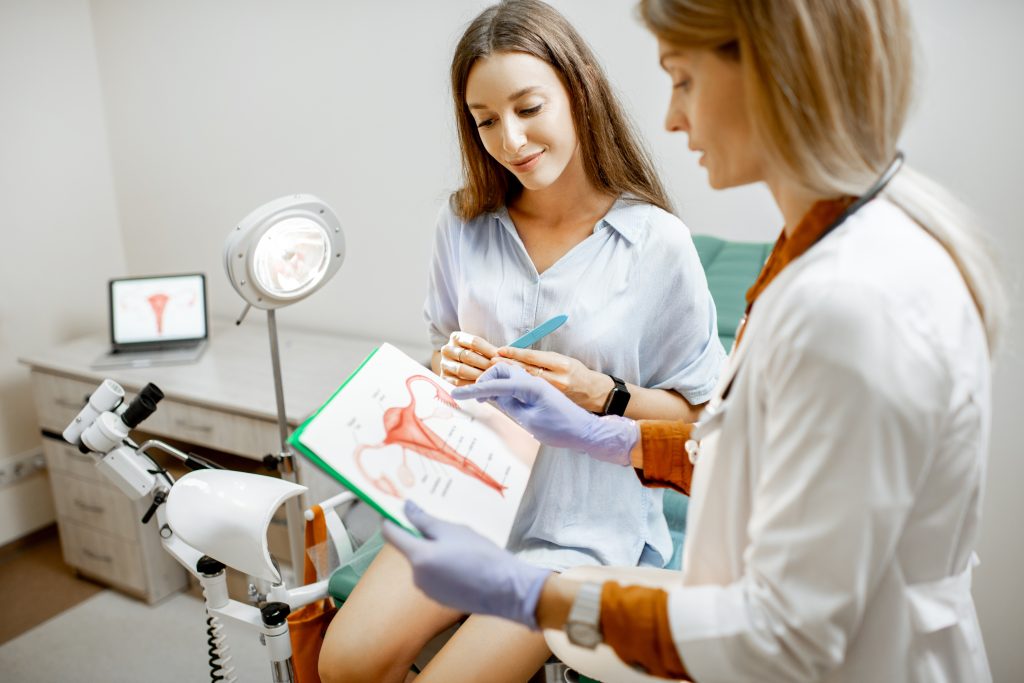
Receiving a call or a patient portal message stating that your recent Pap smear was abnormal can cause an immediate wave of anxiety. It is completely natural to worry, but the most important thing to know right away is that an abnormal cervical screening result rarely means you have cancer. Instead, it typically indicates that mild cellular changes have been detected on your cervix. These changes require careful follow-up monitoring or further diagnostic testing to ensure they do not develop into something more serious over time. Understanding your result and knowing what abnormal pap smear next steps include can help you approach your follow-up care with clarity and confidence. What Causes an Abnormal Pap Smear Result? A Pap smear is a screening tool designed to collect a small sample of cells from the surface of your cervix so they can be examined under a microscope. The most common driver of an abnormal result is the Human Papillomavirus, which is a highly common virus passed through sexual contact. Most adults will contract HPV at some point in their lives, and the immune system often clears the virus on its own without you ever knowing it was present. However, in some cases, certain strains of the virus persist and cause temporary changes in the cervical cells. Other non-viral factors can also cause a mildly abnormal result, including localized cervical inflammation, recent sexual intercourse before the test, or a vaginal infection like yeast or bacterial vaginosis. Deciphering the Terminology of Cervical Screenings When you review your lab report, you will see specific medical abbreviations that describe the nature of the atypical cells. Knowing what these terms mean can make the discussion with your provider much easier. Cervical screening result What the lab finding indicates Typical medical recommendation ASC-US Mildly atypical cells with an unclear underlying cause An HPV test is performed; if negative, you repeat screening in a year. If positive, a colposcopy may be needed Positive HPV Test The presence of the virus is detected, regardless of current cell changes Dependent on your age and prior screening history; often monitored or evaluated with a colposcopy LSIL or HSIL Low-grade or high-grade cellular changes are present on the cervical surface A colposcopy is typically scheduled promptly to examine the cervical tissue closely The Next Step: What is a Colposcopy? If your screening result indicates a more prominent change or a persistent HPV infection, your provider will likely recommend a colposcopy. A colposcopy is a simple, highly effective in-office procedure that allows your doctor to look closely at your cervix using a specialized magnifying instrument called a colposcope. The instrument remains outside your body throughout the brief visit. During the procedure, you will position on the exam table just as you do for a routine Pap smear. Your provider will insert a speculum and apply a mild vinegar solution to your cervix using a cotton swab. This solution highlights any atypical cells, causing them to appear white under the colposcope light. If unusual areas are identified, your provider will take a tiny tissue sample, which is called a biopsy. This sample is sent to a laboratory for definitive analysis. How to Prepare Before Your Colposcopy Appointment Preparing for a colposcopy requires minimal effort, but a few guidelines can support an accurate result. Try to schedule the procedure for a week when you do not expect to have your menstrual period, as heavy bleeding can obscure the view of the cervical tissue. For 24 to 48 hours before your appointment, do not engage in vaginal intercourse, and avoid using tampons, vaginal creams, douching products, or vaginal medications. If a biopsy is performed, you may feel a brief pinch or mild cramping. Taking an over-the-counter pain reliever like acetaminophen shortly before you arrive can help minimize any post-procedure discomfort. Trusting Your Care Team for Personalized Follow-Up The ultimate goal of cervical screening is early detection. Because cervical cell changes develop very slowly over many years, staying current with your recommended follow-up appointments is the most effective way to prevent cervical complications entirely. Once your biopsy results return from the lab, your provider will discuss whether you simply need a repeat Pap test in a year or whether a minor procedure is appropriate to remove the atypical cells. Your gynecologic care should always feel like a collaborative partnership. Bring your questions and your concerns to your care team, and let them guide you safely through your screening results. If you have received an abnormal cervical screening result or need to schedule a follow-up colposcopy, schedule an appointment with Women’s Integrated Healthcare in Southlake or Fort Worth. References
Heavy Bleeding After Endometrial Ablation: What Is Normal and When to Call
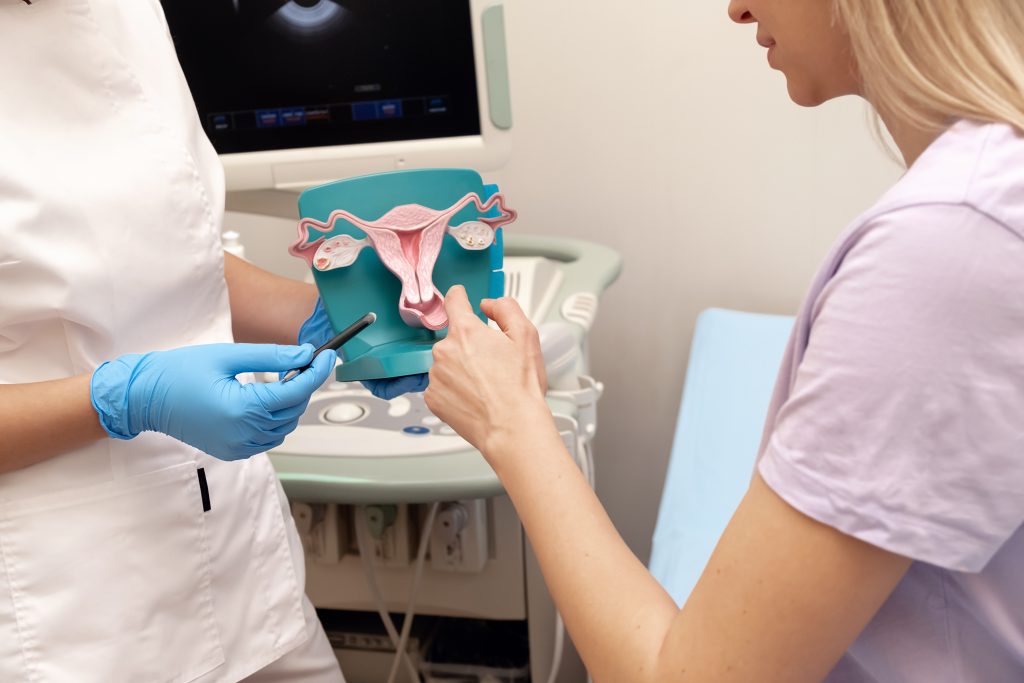
Endometrial ablation can be a helpful treatment option for some patients with heavy menstrual bleeding, but it is normal to have questions about recovery. If you are searching heavy bleeding after endometrial ablation, you may be wondering whether your symptoms are expected or whether you should call your ObGyn. The safest answer is simple: if bleeding feels heavy, worsening, unusual for you, or concerning, call your provider. General recovery guidelines can help you understand what is common, but your medical history and procedure details matter. What Endometrial Ablation Is Designed to Do Endometrial ablation is a procedure that uses heat, cold, or other forms of energy to destroy the lining of the uterus so periods become lighter. Cleveland Clinic explains that after endometrial ablation, some patients have no bleeding, some have less bleeding, and some do not notice a change in menstrual bleeding. This procedure is not appropriate for everyone. It is typically considered for heavy menstrual bleeding when medication has not helped, and it is intended for patients who are sure they do not want future pregnancy. Cleveland Clinic also notes that pregnancy after ablation is unlikely but possible and can carry risks, so patients should use birth control until menopause. What Bleeding May Be Normal After Ablation? Short-term recovery can include cramping and discharge. Cleveland Clinic states that after endometrial ablation, patients may have period-like cramps for one to three days and light bleeding or pink watery discharge for a few weeks, usually heaviest 48 to 72 hours after the procedure. Symptom after ablation Often expected? What to do Mild to moderate cramping for one to three days Can be common Follow your aftercare instructions and call if pain is severe or worsening Light bleeding or pink watery discharge for a few weeks Can be common Use the products recommended by your provider and monitor changes Discharge that is heaviest 48 to 72 hours after the procedure Can be common Call if bleeding is heavy, persistent, or concerning Heavy bleeding, fever, severe pain, or foul-smelling discharge Needs medical guidance Contact your ObGyn promptly Your provider may give you more specific instructions based on the type of ablation performed, your bleeding history, and any other conditions such as fibroids, polyps, or anemia. When Heavy Bleeding Needs a Call Heavy bleeding should not be ignored. Cleveland Clinic lists heavy bleeding as a possible risk of endometrial ablation, along with infection and other complications. You should call your provider if you are soaking through pads quickly, passing large clots, feeling dizzy or weak, developing fever, having worsening pelvic pain, or noticing discharge with a foul odor. If symptoms feel severe or you are worried about significant blood loss, seek urgent medical care. Waiting can make it harder to treat complications early. What If Heavy Periods Come Back Months Later? Some patients notice lighter periods for months or years, then bleeding changes again. Others may not get the level of relief they expected. That does not always mean something dangerous is happening, but it does mean you should be evaluated. Bleeding can have many causes, including hormonal changes, fibroids, polyps, adenomyosis, infection, medication effects, or other uterine concerns. A follow-up visit may include a pelvic exam, ultrasound, lab work, or discussion of additional treatment options. Your provider may also review whether you need anemia testing if bleeding has been heavy or prolonged. Important Pregnancy Considerations Endometrial ablation is not a form of birth control. Cleveland Clinic notes that pregnancy can still happen after ablation, and if it does, risks can include miscarriage and other complications. If you have had an ablation and think you may be pregnant, call your ObGyn right away. This is also why pregnancy goals should be discussed before the procedure. If you are still considering future pregnancy, endometrial ablation is usually not the right option. How to Prepare for Your Appointment If you are calling about bleeding after ablation, try to note when the bleeding started, how often you are changing pads, whether you are passing clots, whether you have fever or pain, and whether you feel dizzy, short of breath, or unusually tired. This information helps your care team decide how urgently you should be seen. You do not need to decide on your own whether symptoms are serious enough. If bleeding after ablation concerns you, that is enough reason to contact your provider. If you are experiencing heavy bleeding after endometrial ablation or want to discuss treatment options for heavy periods, schedule an appointment with Women’s Integrated Healthcare in Southlake or Fort Worth. References [3] Cleveland Clinic, Endometrial Ablation
Preparing for Your Well-Woman Exam: What to Ask and What to Expect
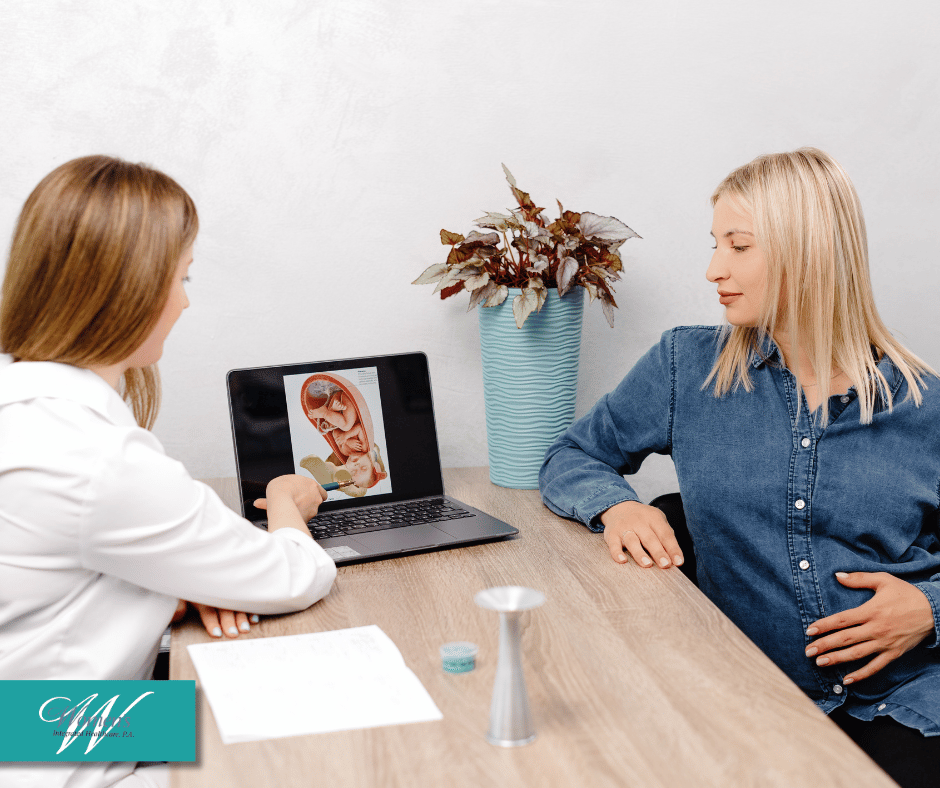
A well-woman exam is not just a quick appointment for a Pap test. It is a chance to talk about your health, ask questions you may not know where else to ask, review preventive screenings, and make a plan for the next stage of life. If you are searching well woman exam what to expect, the most important thing to know is that the visit should be personalized to your age, symptoms, medical history, and goals. ACOG explains that routine ObGyn visits involve much more than a Pap test, pelvic exam, or breast exam, and those exams may not be needed at every checkup. ACOG also states that a well-woman visit is an opportunity to counsel patients about maintaining a healthy lifestyle and minimizing health risks. What Happens During a Well-Woman Visit? Your visit often starts with conversation. Your provider may ask about your periods, symptoms, medications, allergies, surgeries, family history, sexual health, birth control, pregnancy goals, mental health, lifestyle, and safety. ACOG notes that a comprehensive history is one of the most important parts of the visit because it helps determine which exams or screenings are appropriate. Depending on your age, health history, and concerns, your visit may include a blood pressure check, breast exam, pelvic exam, cervical cancer screening, STI testing, contraception counseling, menopause counseling, vaccine discussion, or referrals for other preventive care. ACOG emphasizes that pelvic and breast exams should be performed when indicated by medical history or symptoms rather than automatically at every visit. Part of the visit What it may include Why it matters Health history Periods, symptoms, medications, family history, past conditions Helps your provider identify risks and choose appropriate care Preventive screening Cervical cancer screening, STI testing, blood pressure, breast health discussion Supports early detection and prevention Reproductive planning Birth control, fertility goals, pregnancy planning Aligns care with your current and future plans Life-stage care Teen concerns, postpartum recovery, perimenopause, menopause, sexual health Makes the visit relevant to your stage of life Mental health and safety Stress, anxiety, depression, home safety, support systems Recognizes that whole-person health affects gynecologic health How to Prepare Before Your Appointment A little preparation can make your visit more productive. Write down the first day of your last period, how long your periods usually last, whether bleeding or cramping has changed, and any symptoms that feel new or frustrating. Bring a list of medications and supplements, including doses if you know them. If you have had recent imaging, labs, or care from another provider, bring that information or ask for records to be sent ahead of time. You should also think about your goals. Are you trying to prevent pregnancy, plan for pregnancy, manage heavy periods, understand menopause symptoms, address pain with sex, or simply stay current with preventive care? Your provider can help, but the conversation is easier when you know what you want to cover. Questions Worth Asking There is no wrong question at a well-woman visit. If it affects your body, mood, periods, sexual health, pregnancy plans, or quality of life, it is appropriate to ask. If you are wondering about Consider asking Period changes Is my bleeding pattern normal for my age and history? Preventive care Am I due for a Pap test, HPV test, mammogram, STI testing, or vaccines? Birth control What options fit my health history and lifestyle? Pregnancy planning What should I do before trying to conceive? Perimenopause or menopause Are my symptoms expected, and what treatment options are available? Pain or discomfort What could be causing pelvic pain, pain with sex, or vaginal symptoms? Family history Does my family history change my screening recommendations? Why You Should Not Wait for Symptoms Some patients only schedule gynecology care when something feels wrong. That is understandable, especially when life is busy, but preventive visits can identify risks, update screenings, and give you time to ask questions before symptoms become disruptive. ACOG recommends periodic well-woman visits for reproductive, perimenopausal, and postmenopausal patients. Preventive care is also an opportunity to build a relationship with your provider. When a concern comes up later, it is easier to call a team that already knows your history. When to Schedule Sooner Do not wait for your next routine visit if you have heavy bleeding, bleeding after menopause, pelvic pain, severe cramps, unusual discharge, breast changes, missed periods, painful sex, pregnancy concerns, or symptoms that interfere with daily life. A well-woman visit is preventive, but problem-focused appointments are available when something needs attention now. Your ObGyn visit should feel like a conversation, not a test you have to pass. The goal is to understand what is happening in your body and create a plan that supports your health. If you are due for preventive care or have questions about your gynecologic health, schedule a well-woman appointment with Women’s Integrated Healthcare in Southlake or Fort Worth. References [2] ACOG, What Happens at an Ob-Gyn Checkup and Why? One Doctor Explains [2] ACOG Committee Opinion No. 755, Well-Woman Visit
What Happens After Birth? Placenta Delivery and the Third Stage of Labor Explained
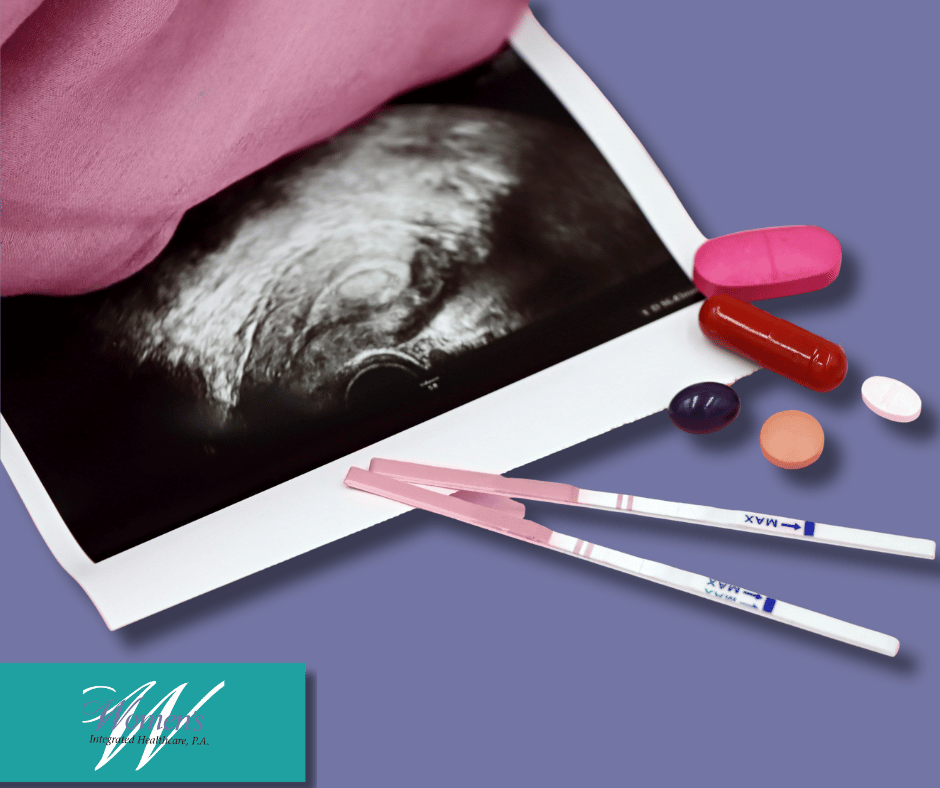
Many birth plans focus on contractions, pushing, pain management, and meeting the baby. Those are important parts of preparation, but they are not the full story. After your baby is born, your body still has one more stage of labor to complete: delivering the placenta. If you have searched how long does it take to deliver a placenta, you are not alone. The third stage of labor is brief for many patients, but understanding it ahead of time can make the delivery room feel less surprising and more manageable. What Is the Third Stage of Labor? The placenta is the organ that supplies oxygen and nutrients to your baby during pregnancy through the umbilical cord. After a vaginal birth, the placenta is delivered through the vagina after the baby is born. This is called the third stage of labor. During this stage, your uterus continues to contract. These contractions help the placenta separate from the uterine wall and move down for delivery. Some patients feel mild cramping or pressure, while others are mostly focused on holding their baby and may barely notice the process. How Long Does It Take to Deliver a Placenta? The timing depends partly on how the third stage is managed. Tommy’s, a pregnancy and baby charity, explains that patients generally have two options after vaginal birth: active management with medication or physiological management that allows the placenta to deliver on its own timeline. Approach What it means Typical timing discussed in patient education Active management A medication such as oxytocin is given to help the uterus contract The placenta usually delivers within 30 minutes. Physiological management The placenta is delivered without an oxytocin injection The process can take up to one hour for some low-risk patients. With a cesarean birth, your medical team delivers the placenta through the uterine incision after the baby is born. Why Providers Pay Close Attention Your care team monitors the third stage because retained placenta and heavy bleeding can be serious. A retained placenta means the placenta stays in the uterus longer than expected. Tommy’s explains that this may be diagnosed if the placenta is not delivered within 30 minutes with active management or within one hour with physiological management. Active management may reduce the chance of heavy bleeding after birth, also known as postpartum hemorrhage. Your provider will consider your birth circumstances, medical history, bleeding risk, and preferences when discussing options. What You May Notice During Placenta Delivery After the baby is born, your provider may watch for signs that the placenta has separated. You may feel additional contractions, pressure, or a need to push gently. Your provider may massage your uterus externally or ask you to push. If active management is used, medication helps the uterus contract. It is common for patients to have questions about what the placenta looks like, whether the process hurts, and whether anything is wrong if it takes more than a few minutes. Your provider can talk you through what is happening in real time. Many patients find it reassuring to know that the team is watching closely for bleeding, uterine tone, and complete delivery of the placenta. Questions to Ask During a Prenatal Visit The best time to discuss placenta delivery is before labor begins. You do not need to make every decision alone, and you can always ask your provider how recommendations might change depending on your delivery. Question Why it is useful What is your usual approach to the third stage of labor? Helps you understand what to expect in the delivery room Do I have any risk factors for heavy bleeding after birth? Allows your provider to explain individualized recommendations What happens if the placenta does not deliver on time? Reduces fear by clarifying the next steps before they are needed Can my preference be included in my birth plan? Encourages shared decision making with your care team When to Schedule a Conversation With Your ObGyn Bring up third-stage labor if you are writing a birth plan, if you had a retained placenta or postpartum hemorrhage in a previous birth, or if you are anxious about what happens after delivery. You should also ask questions if you are considering delayed cord clamping, have a high-risk pregnancy, or simply want a clearer picture of the minutes after birth. Labor preparation is not only about getting through contractions. It is also about understanding the sequence of care, the reasons behind common recommendations, and how your team protects you and your baby. If you are preparing for birth and want to discuss your labor plan, schedule an appointment with Women’s Integrated Healthcare in Southlake or Fort Worth. References [2] Tommy’s, Delivering the Placenta
Summer Pregnancy Safety: Heat, Hydration, and When to Call Your ObGyn

A North Texas summer can be uncomfortable for anyone, but pregnancy can make hot weather feel more intense. Your body is already working hard to support your growing baby, and high temperatures can add extra stress. The CDC notes that pregnancy can make you more likely to develop heat exhaustion, heat stroke, or another heat-related illness sooner than someone who is not pregnant because your body must work harder to cool both you and your developing baby. That does not mean you need to stay indoors all summer. It does mean that pregnancy heat safety deserves a plan. With the right habits, you can reduce your risk of overheating, recognize symptoms early, and know when to reach out to your ObGyn for guidance. Why Heat Can Feel Different During Pregnancy Pregnancy can increase your risk of dehydration, and dehydration can make it harder for your body to cool itself through sweating. When temperatures are high, especially during outdoor activity or long periods in direct sun, your internal body temperature may rise. The CDC explains that in some cases, increased internal temperature and fever during pregnancy have been linked to birth defects and other pregnancy complications. In practical terms, you may notice that activities you tolerated before pregnancy feel more draining now. A walk, errands, a pool day, or a child’s outdoor sports event may require more rest breaks, more fluids, and more attention to how your body feels. Summer situation Pregnancy safety tip Why it matters Running errands in the afternoon Park in shaded areas when possible and bring water with you Cars and pavement can intensify heat exposure quickly Outdoor exercise Choose early morning or evening and avoid strenuous activity in peak heat Pregnancy can make heat illness occur sooner than expected Pool or lake day Reapply sunscreen, rest in the shade, and drink fluids regularly Swimming can feel cool while your body still loses fluid Travel or day trips Plan extra bathroom breaks and keep water accessible Hydration needs may be higher during pregnancy Hydration Is More Than Drinking Water Once You Feel Thirsty Thirst is helpful, but it should not be your only cue. During pregnancy, a better approach is to drink steadily throughout the day. Keep a refillable bottle nearby, start hydrating before you go outside, and continue after you come back indoors. If you are sweating heavily, the CDC recommends talking with your doctor about how to safely replace salt and minerals lost through sweating. You may also support hydration with water-rich foods such as watermelon, berries, cucumbers, oranges, and soups. If nausea, vomiting, diarrhea, or food aversions make it hard to keep fluids down, call your ObGyn. Those symptoms can increase dehydration risk, and your care team can help you decide what to do next. Watch for Heat-Related Warning Signs Heat illness can begin with mild symptoms, but it can become serious if ignored. Pay attention to your body and move to a cooler place if you begin to feel unwell. The CDC recommends seeking medical care immediately if symptoms of heat-related illness occur. Symptom What to do Dizziness, weakness, or feeling faint Stop activity, get to a cooler area, drink fluids if you can, and call for help if symptoms do not improve Headache or nausea in hot weather Rest in air conditioning or shade and contact your provider if symptoms persist Heavy sweating followed by feeling very hot or confused Seek urgent medical care Contractions, vaginal bleeding, leaking fluid, or decreased fetal movement Call your ObGyn or follow your pregnancy care instructions right away It is always better to ask than to wait when something feels off. Your provider would rather help you sort through symptoms early than have you worry at home. Make a Heat Plan Before the Day Gets Busy A simple plan can make summer safer. Check the local forecast before outdoor plans, including heat and air quality alerts. The CDC recommends checking local HeatRisk and air quality so you can plan your week with your health in mind. For many pregnant patients, that may mean moving walks indoors, changing a picnic to a morning time slot, or choosing an air-conditioned activity during the hottest part of the day. If you work outdoors or in a hot environment, talk with your ObGyn about your specific situation. You may need more frequent breaks, access to fluids, shade, or other accommodations. If you have a high-risk pregnancy, blood pressure concerns, a history of preterm labor, or other medical conditions, individualized advice is especially important. When to Call Women’s Integrated Healthcare Call your ObGyn if you have symptoms that concern you, if you cannot stay hydrated, or if heat exposure is followed by cramping, contractions, vaginal bleeding, leaking fluid, severe headache, fainting, or decreased fetal movement. You should also bring up summer plans during prenatal visits, especially if you will be traveling, attending outdoor events, or exercising in the heat. Pregnancy does not have to stop you from enjoying summer, but it should change how you prepare. A few thoughtful adjustments can help you stay comfortable, protect your health, and feel more confident in the heat. If you are pregnant and have questions about summer safety, hydration, or symptoms, schedule an appointment with Women’s Integrated Healthcare in Southlake or Fort Worth. References [1] CDC, Heat and Pregnancy
Medication Safety in Pregnancy: What Changed, What Didn’t, and How to Know the Difference

One of the most common calls we receive from pregnant patients starts the same way: “I took something before I knew. Am I okay?” The second most common: “I have a terrible cold and I don’t know what I’m allowed to take.” Both are completely valid concerns — and both deserve a real answer rather than a panicked Google search at midnight. Medication safety in pregnancy is genuinely complicated. Guidelines shift as new research emerges. The same drug may be safe in one trimester and riskier in another. And the information online ranges from overly cautious to outdated. Here’s a current, practical guide. The Trimester Timing Question The first trimester — weeks one through twelve — is the most critical period for organ development. This is when major structural birth defects can occur if embryonic development is disrupted, which is why medication avoidance is most important during these weeks. Many providers recommend limiting medications to what’s truly necessary until the end of the first trimester. The second trimester generally has a more favorable safety profile for common medications. However, this is also when some medications become riskier that were acceptable earlier — NSAIDs are the clearest example. After 20 weeks, ibuprofen and naproxen (common anti-inflammatory pain relievers) should be avoided. Research has linked NSAID use in the second half of pregnancy to reduced amniotic fluid, kidney problems in the developing baby, and premature closure of a fetal blood vessel. Acetaminophen (Tylenol) remains the appropriate option for pain and fever throughout pregnancy. What’s Safe for Common Complaints For pain and fever: Acetaminophen is safe throughout pregnancy at recommended doses. Avoid ibuprofen, naproxen, and aspirin unless specifically directed by your provider. For allergies and colds: Saline nasal spray and rinses are safe at any point and more effective than many people realize. Loratadine (Claritin) and cetirizine (Zyrtec) have good safety data and are generally considered acceptable throughout pregnancy. Diphenhydramine (Benadryl) is safe but causes drowsiness. Pseudoephedrine should be avoided in the first trimester and used cautiously later only with provider guidance. For products like Zicam: Zicam nasal spray should be avoided in pregnancy. Oral zinc lozenges are lower risk but should be monitored for total zinc intake — your prenatal vitamin already contains zinc, and combined intake should stay under 40mg daily. Saline rinses, rest, hydration, and acetaminophen for fever are safer and effective alternatives for cold symptoms. For heartburn: Calcium carbonate antacids (Tums, Rolaids) are safe. Famotidine (Pepcid) is acceptable. Proton pump inhibitors like omeprazole are generally used when other options don’t provide relief. For constipation: Fiber supplements and Colace (docusate) are safe. MiraLAX is generally acceptable. Avoid castor oil, which can trigger uterine contractions. What to Do If You Took Something Before You Knew Don’t panic. Very early in pregnancy — before implantation and in the first days after — there’s an “all or nothing” effect where exposures either cause no effect or affect the pregnancy entirely. Most common medication exposures in early pregnancy cause no harm. Bring a list of everything you’ve taken to your first prenatal appointment and review it with your provider. In the vast majority of cases, the answer is reassuring. Prescription Medications: Don’t Stop Without Guidance If you take medication for a chronic condition — thyroid disease, asthma, depression, epilepsy, high blood pressure — do not stop it when you learn you’re pregnant without speaking to your provider first. Uncontrolled chronic conditions are often riskier to a pregnancy than the medications used to treat them. Your provider can assess whether your current regimen is appropriate or whether adjustments should be made. The same applies to antidepressants. Untreated depression and anxiety during pregnancy carry real risks. The decision about whether to continue, adjust, or switch medications should be made thoughtfully with your provider — not made unilaterally out of fear. When in doubt about any medication during pregnancy, call before you take it. That’s always the right call. Schedule a prenatal appointment to discuss medication safety, review your current regimen, and get personalized guidance for your specific situation and trimester. Sources
Endometriosis and Spring Activity: Managing Flares When You Want to Be Moving

For women with endometriosis, spring presents a particular tension. Warmer weather, longer days, and the pull to be outside and active — alongside a condition that can make movement feel impossible during flares. If you’ve spent a beautiful April day curled up in pain instead of outside, you’re not alone, and you’re not overreacting. Managing endometriosis through active seasons takes strategy. Here’s what helps, what doesn’t, and when to revisit your treatment plan. Why Flares Feel Worse When You Push Through Endometriosis causes tissue similar to the uterine lining to grow outside the uterus — on the ovaries, bowel, bladder, and surrounding structures. This tissue responds to the same hormonal signals as the uterine lining, thickening and breaking down with each cycle. Because it has nowhere to go, it causes inflammation, scarring, and nerve irritation. High-intensity exercise during a flare increases intra-abdominal pressure and can temporarily worsen pain — not because exercise is harmful, but because inflamed tissue is more reactive to physical stress. The frustrating part is that staying completely sedentary doesn’t help either. The goal is finding the approach that works with your body rather than against it. What the Research Actually Shows Regular, moderate exercise is genuinely beneficial for endometriosis management. Research published in the Journal of Endometriosis and Uterine Disorders suggests that consistent aerobic activity reduces circulating estrogen levels, which may slow the growth of endometrial tissue over time. Exercise also reduces systemic inflammation and improves pain tolerance through endorphin release. The key word is moderate. Walking, swimming, yoga, and cycling are consistently reported as tolerable and beneficial by women with endometriosis. High-impact activities — running, jumping, heavy lifting — are better tolerated between flares than during them. Listening to your body on high-pain days isn’t giving up; it’s smart symptom management. Pelvic Floor Physical Therapy: Underused and Effective One of the most effective and underutilized treatments for endometriosis-related pain is pelvic floor physical therapy. Endometriosis frequently causes pelvic floor muscle dysfunction — tight, guarded muscles that create additional pain beyond the inflammation itself. A pelvic floor physical therapist can assess muscle function, provide internal and external treatment, and teach techniques to reduce the muscular component of pain. If you haven’t been referred for pelvic floor PT as part of your endometriosis management, it’s worth asking about. For many women, it significantly expands what’s possible — including physical activity. Pain Management on Active Days NSAIDs like ibuprofen and naproxen are first-line for endometriosis pain and work best when taken preventively — starting a day or two before your period rather than waiting until pain is severe. Heat therapy (a heating pad or warm bath) helps relax pelvic floor muscles and can be used alongside medication. If over-the-counter options aren’t controlling your pain adequately, or if you’re modifying your activities more than you’d like to, that’s important information for your provider. Pain that interferes with daily life — including the activities you want to do in the spring — is not something to simply manage around. It warrants a treatment review. When to Revisit Your Treatment Plan Endometriosis is a chronic condition, and treatment needs evolve. If your current plan isn’t giving you adequate quality of life, if your symptoms are worsening, or if you’re approaching a decision about fertility, a specialist consultation is appropriate. Treatment options include hormonal management (continuous birth control, progestin-only methods, GnRH agonists), surgical intervention to remove endometrial tissue and adhesions, and integrative approaches including anti-inflammatory nutrition and stress management. The right combination depends on your current symptoms, fertility goals, and what you’ve already tried. You don’t have to choose between managing pain and staying active. With the right treatment plan, both are possible. Schedule a consultation to review your endometriosis management, discuss your symptoms, and explore options that give you back the quality of life you deserve — including spring days spent moving. Sources
Can I Take Zicam While Pregnant? Your Guide to Safe Cold Relief This Winter

Lauren stood in the pharmacy aisle at 11 PM, seven months pregnant and desperate for relief. Her head throbbed, her nose was completely blocked, and she’d been awake for three nights straight. She reached for the Zicam she’d always used before pregnancy, then pulled out her phone to search “can I take Zicam while pregnant?” The results were confusing and contradictory. Exhausted and frustrated, she left empty-handed, still suffering. If you’re pregnant and fighting a winter cold, you’re probably discovering that your usual go-to remedies are suddenly off-limits or questionable. With your immune system naturally suppressed to protect your growing baby, you’re more vulnerable to catching every bug that goes around. Understanding which medications are safe can help you find relief without the worry.Is Zicam Safe During Pregnancy? The short answer is: it depends on which Zicam product you’re considering. Zicam products contain zinc, an essential mineral that’s generally considered safe during pregnancy in appropriate amounts. According to the American College of Obstetricians and Gynecologists (ACOG), zinc is important for fetal development, and many prenatal vitamins include it. However, not all Zicam formulations are created equal: Understanding Cold Remedies by Trimester Your provider’s recommendations may vary depending on how far along you are: Safe Cold Relief Options for Pregnancy Here are evidence-based remedies that most providers consider safe: For Congestion: For Cough: For Fever and Body Aches: For Sore Throat: What to Avoid During Pregnancy These common cold remedies should be avoided: NSAIDs:Ibuprofen (Advil, Motrin) and naproxen (Aleve) can cause complications, especially after 20 weeks of pregnancy. They’ve been linked to low amniotic fluid and potential heart problems in the baby. Aspirin:Regular use of aspirin should be avoided unless specifically prescribed by your provider for certain pregnancy complications. Multi-Symptom Formulations:Products like NyQuil or Theraflu often contain multiple active ingredients, including ones to avoid during pregnancy. They may also contain alcohol. Stick to single-ingredient products approved by your provider. Herbal Supplements:“Natural” doesn’t mean safe during pregnancy. Many herbs can trigger contractions or cause other complications. Avoid echinacea, goldenseal, and other immune-boosting herbs without medical approval. Phenylephrine:This decongestant found in many cold medicines has questionable effectiveness and safety data during pregnancy. Natural Immunity Boosters That Actually Work Prevention is always better than treatment: Hydration:Drink eight to ten glasses of water daily. Proper hydration helps thin mucus, supports immune function, and keeps your respiratory system functioning optimally. Add lemon or cucumber for flavor if plain water is unappealing. Quality Sleep:Aim for eight to ten hours nightly. Your immune system does much of its repair work during sleep. If nighttime sleep is disrupted, take short naps during the day. Vitamin C:Get it from food sources like oranges, strawberries, bell peppers, and broccoli. While vitamin C won’t prevent colds, it may reduce duration and severity. Vitamin D:Many pregnant women are deficient in vitamin D, which plays a crucial role in immune function. Ask your provider about testing and supplementation. Prenatal Vitamins:Take them consistently. They provide immune-supporting nutrients like zinc, vitamin C, iron, and folate. Hand Hygiene:Wash hands frequently for at least 20 seconds with soap and water, especially after being in public spaces. Use hand sanitizer when soap isn’t available. Avoid Sick People:This sounds obvious, but don’t feel guilty about skipping gatherings or asking sick visitors to reschedule. Your health and your baby’s wellbeing come first. When to Call Your Healthcare Provider Most colds resolve on their own within seven to ten days, but contact your provider if you experience: These symptoms could indicate flu, strep throat, pneumonia, sinus infection, or other conditions requiring prescription treatment. The Importance of Flu and COVID-19 Vaccination The single most effective way to prevent serious illness during pregnancy is vaccination: Flu Shot:Safe during any trimester, the flu vaccine protects both you and your baby. Pregnant women who get the flu are at higher risk for hospitalization and complications. Antibodies you develop are passed to your baby, providing protection for their first several months of life. COVID-19 Vaccine:Current CDC recommendations support COVID-19 vaccination during pregnancy. Pregnant women who contract COVID-19 are at increased risk for severe illness, preterm birth, and other complications. Tdap Vaccine:Given between 27 and 36 weeks, this vaccine protects your baby from whooping cough, which can be deadly for newborns. Creating Your Cold-Season Action Plan Start the new year with a prevention strategy: Get Personalized Guidance Every pregnancy is unique, and your health history may affect which cold remedies are safe for you. Conditions like high blood pressure, gestational diabetes, or a history of preterm labor can influence your provider’s recommendations. Don’t suffer through a cold in silence or second-guess yourself in the pharmacy aisle. At Women’s Integrated Healthcare, we’re here to answer your medication safety questions and provide clear, evidence-based guidance tailored to your pregnancy. Whether you’re dealing with a winter cold right now or want to discuss prevention strategies, our team is ready to support you through every season of your pregnancy journey. Schedule a consultation today and start the new year with a clear plan for staying healthy and safe. References: American College of Obstetricians and Gynecologists. (n.d.). Over-the-Counter Medications and Pregnancy. Retrieved from https://www.acog.org Centers for Disease Control and Prevention. (n.d.). Medications and Pregnancy. Retrieved from https://www.cdc.gov National Institutes of Health. (n.d.). Zinc Supplementation During Pregnancy. Retrieved from https://www.nih.gov
It Was Caught Early : Why an Annual Wellness Exam Is Still a Must At Every Age for Prevention.

Julia came in for her annual wellness exam expecting it to be routine. She felt a little stressed and tired, but nothing out of the ordinary. During the visit, she mentioned some mild bloating and heavier periods. A few follow-up tests revealed early-stage fibroids. Since it was caught early, it was manageable with a simple treatment plan, and further complications were avoided. We regularly schedule appointments like semi-annual dental check-ups, annual eye exams, and required physicals for school or work. However, for many women, the yearly well-woman exam often gets postponed indefinitely, neglecting a vital touchpoint in their long-term health journey. At Women’s Integrated Health, we believe that consistent, personalized care is what keeps women thriving at every stage, and the annual well-woman exam is a cornerstone of that care. More Than a Checklist A well-woman exam isn’t just a routine pelvic exam or a chance to update your file. When done well and thoughtfully, it’s a 360-degree review of your health, your goals, and what’s changed in the past year. It’s a time to ask questions, raise concerns, and look ahead. What Does a Well-Woman Visit Include? While every exam is tailored to the individual, a typical visit might include: Pelvic exam (when appropriate) Pap smear (based on age and screening history) Breast exam Review of menstrual cycles, sexual health, and contraception Discussion of any symptoms or changes Screening for mental health concerns, including anxiety and depression Review of hormone health, thyroid, or metabolic issues if relevant Preventive care planning — such as mammograms, bone density tests, or blood work But beyond the clinical components, the value lies in the communication: What’s working for you? What’s changed in your life? How are you really feeling? That’s the level of care every woman deserves at each stage of life. It’s Not Just for Reproductive Years Too often, women think of OB/GYN visits as something they “age out of.” In reality, your needs may change, but the need for connection and preventive care does not. Here’s why your annual visit still matters, no matter what stage you’re in: In Your 20s and 30s: You’re likely juggling career, relationships, and maybe starting a family. Regular visits can help you stay on top of contraception, menstrual health, fertility planning, and early detection of any issues. In Your 40s: Hormonal shifts often begin well before menopause. From fatigue to mood changes, subtle symptoms can be early signs of potentially serious conditions. The annual well-woman exam helps to track patterns and find proactive solutions. In Your 50s and Beyond: Postmenopausal health brings its own considerations: bone density, heart health, hormone therapy, and sexual wellness. Annual check-ins allow us to continue tailoring care to how your body is evolving. Your body has a story to tell at every stage. “But I Feel Fine” That’s exactly when to come in. The goal isn’t just to solve existing problems, it’s to catch them early or prevent them altogether. Many of the most common women’s health concerns, from fibroids to thyroid dysfunction to breast changes, don’t announce themselves with dramatic symptoms. And if everything is going well, your exam gives us a clear baseline we can use to monitor future changes and help you stay in that optimal zone. Personalized, Not Rushed You shouldn’t feel like just another chart. Our approach is deliberately unhurried, focused, and collaborative. We want to know what’s on your mind, whether it’s a small change you’ve noticed or a decision you’re weighing. Because real care doesn’t start with a speculum. It starts with a conversation. The Best Time to Schedule? Now. You don’t need to wait until something feels off. In fact, the best time to build a strong relationship with your provider is before you need urgent answers. Whether it’s been one year or several since your last visit, we’re here to meet you where you are, with clarity, respect, and a plan. Schedule a consultation with Women’s Integrated Health today and take the next step in owning your well-being, now and in the years to come.