UTI Treatment: Fast Relief and Prevention Strategies
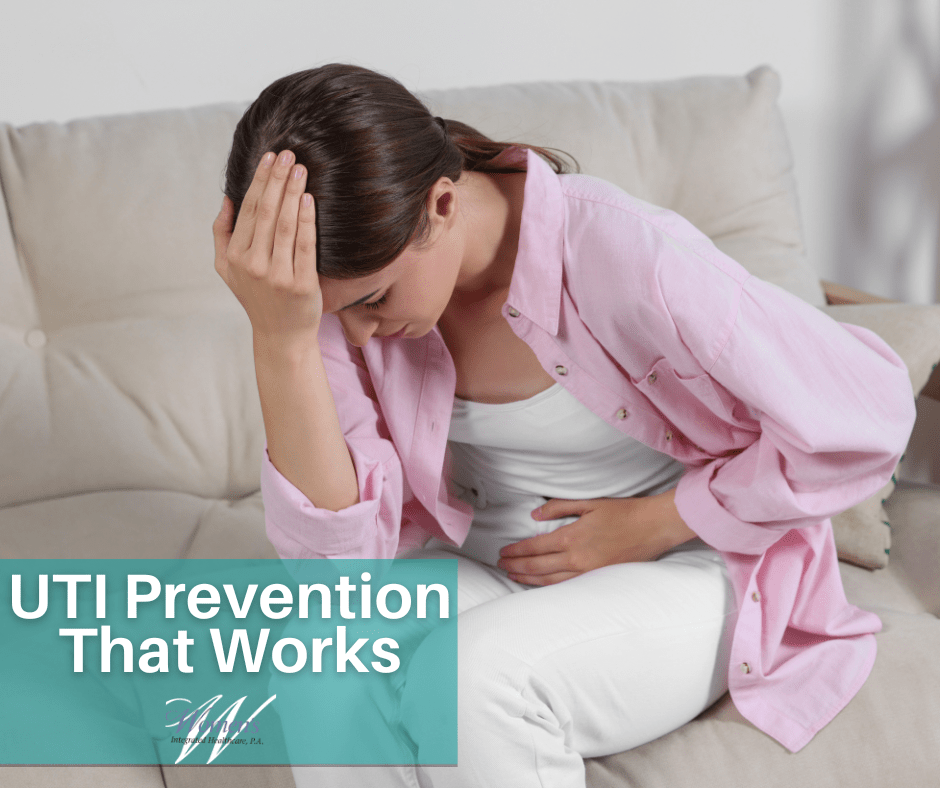
It starts with a familiar, nagging sensation—a frequent urge to go, followed by a sharp, burning discomfort. For many women, a Urinary Tract Infection (UTI) isn’t just a minor inconvenience; it’s a recurring disruption that interferes with work, exercise, and intimacy. UTIs account for over 8 million doctor visits annually. Because of the female anatomy—specifically a shorter urethra—women are significantly more prone to these infections than men. While common, they require prompt attention to prevent more serious complications like kidney infections. Symptoms: Is It Really a UTI? Most women recognize the “classic” signs, but symptoms can vary: Fast Relief: What to Do Immediately If you suspect a UTI, the goal is to stop the bacterial growth and manage the pain. Prevention Strategies: Breaking the Cycle If you experience “recurrent UTIs” (two or more in six months), lifestyle shifts are essential. Daily Habits: Supplements and Advanced Prevention: When Is It an Emergency? A simple UTI can travel to the kidneys if left untreated. Seek immediate medical care if you experience: Expert Care for Urinary Health You don’t have to “just live” with chronic urinary discomfort. At Women’s Integrated Healthcare, we go beyond just writing a prescription. We work with you to identify your specific triggers—whether they are hormonal, lifestyle-based, or anatomical—and develop a long-term prevention plan. If you’re struggling with UTI symptoms or want to discuss a prevention strategy that actually works, schedule an appointment with us today. References:
Can I Take Zicam While Pregnant? Your Guide to Safe Cold Relief This Winter

Lauren stood in the pharmacy aisle at 11 PM, seven months pregnant and desperate for relief. Her head throbbed, her nose was completely blocked, and she’d been awake for three nights straight. She reached for the Zicam she’d always used before pregnancy, then pulled out her phone to search “can I take Zicam while pregnant?” The results were confusing and contradictory. Exhausted and frustrated, she left empty-handed, still suffering. If you’re pregnant and fighting a winter cold, you’re probably discovering that your usual go-to remedies are suddenly off-limits or questionable. With your immune system naturally suppressed to protect your growing baby, you’re more vulnerable to catching every bug that goes around. Understanding which medications are safe can help you find relief without the worry.Is Zicam Safe During Pregnancy? The short answer is: it depends on which Zicam product you’re considering. Zicam products contain zinc, an essential mineral that’s generally considered safe during pregnancy in appropriate amounts. According to the American College of Obstetricians and Gynecologists (ACOG), zinc is important for fetal development, and many prenatal vitamins include it. However, not all Zicam formulations are created equal: Understanding Cold Remedies by Trimester Your provider’s recommendations may vary depending on how far along you are: Safe Cold Relief Options for Pregnancy Here are evidence-based remedies that most providers consider safe: For Congestion: For Cough: For Fever and Body Aches: For Sore Throat: What to Avoid During Pregnancy These common cold remedies should be avoided: NSAIDs:Ibuprofen (Advil, Motrin) and naproxen (Aleve) can cause complications, especially after 20 weeks of pregnancy. They’ve been linked to low amniotic fluid and potential heart problems in the baby. Aspirin:Regular use of aspirin should be avoided unless specifically prescribed by your provider for certain pregnancy complications. Multi-Symptom Formulations:Products like NyQuil or Theraflu often contain multiple active ingredients, including ones to avoid during pregnancy. They may also contain alcohol. Stick to single-ingredient products approved by your provider. Herbal Supplements:“Natural” doesn’t mean safe during pregnancy. Many herbs can trigger contractions or cause other complications. Avoid echinacea, goldenseal, and other immune-boosting herbs without medical approval. Phenylephrine:This decongestant found in many cold medicines has questionable effectiveness and safety data during pregnancy. Natural Immunity Boosters That Actually Work Prevention is always better than treatment: Hydration:Drink eight to ten glasses of water daily. Proper hydration helps thin mucus, supports immune function, and keeps your respiratory system functioning optimally. Add lemon or cucumber for flavor if plain water is unappealing. Quality Sleep:Aim for eight to ten hours nightly. Your immune system does much of its repair work during sleep. If nighttime sleep is disrupted, take short naps during the day. Vitamin C:Get it from food sources like oranges, strawberries, bell peppers, and broccoli. While vitamin C won’t prevent colds, it may reduce duration and severity. Vitamin D:Many pregnant women are deficient in vitamin D, which plays a crucial role in immune function. Ask your provider about testing and supplementation. Prenatal Vitamins:Take them consistently. They provide immune-supporting nutrients like zinc, vitamin C, iron, and folate. Hand Hygiene:Wash hands frequently for at least 20 seconds with soap and water, especially after being in public spaces. Use hand sanitizer when soap isn’t available. Avoid Sick People:This sounds obvious, but don’t feel guilty about skipping gatherings or asking sick visitors to reschedule. Your health and your baby’s wellbeing come first. When to Call Your Healthcare Provider Most colds resolve on their own within seven to ten days, but contact your provider if you experience: These symptoms could indicate flu, strep throat, pneumonia, sinus infection, or other conditions requiring prescription treatment. The Importance of Flu and COVID-19 Vaccination The single most effective way to prevent serious illness during pregnancy is vaccination: Flu Shot:Safe during any trimester, the flu vaccine protects both you and your baby. Pregnant women who get the flu are at higher risk for hospitalization and complications. Antibodies you develop are passed to your baby, providing protection for their first several months of life. COVID-19 Vaccine:Current CDC recommendations support COVID-19 vaccination during pregnancy. Pregnant women who contract COVID-19 are at increased risk for severe illness, preterm birth, and other complications. Tdap Vaccine:Given between 27 and 36 weeks, this vaccine protects your baby from whooping cough, which can be deadly for newborns. Creating Your Cold-Season Action Plan Start the new year with a prevention strategy: Get Personalized Guidance Every pregnancy is unique, and your health history may affect which cold remedies are safe for you. Conditions like high blood pressure, gestational diabetes, or a history of preterm labor can influence your provider’s recommendations. Don’t suffer through a cold in silence or second-guess yourself in the pharmacy aisle. At Women’s Integrated Healthcare, we’re here to answer your medication safety questions and provide clear, evidence-based guidance tailored to your pregnancy. Whether you’re dealing with a winter cold right now or want to discuss prevention strategies, our team is ready to support you through every season of your pregnancy journey. Schedule a consultation today and start the new year with a clear plan for staying healthy and safe. References: American College of Obstetricians and Gynecologists. (n.d.). Over-the-Counter Medications and Pregnancy. Retrieved from https://www.acog.org Centers for Disease Control and Prevention. (n.d.). Medications and Pregnancy. Retrieved from https://www.cdc.gov National Institutes of Health. (n.d.). Zinc Supplementation During Pregnancy. Retrieved from https://www.nih.gov
What Are Uterine Fibroids?

Uterine fibroids are common in women and often go unnoticed. Find out what to look for and when to seek treatment. Also called leiomyomas or myomas, uterine fibroids are noncancerous growths of the uterus that appear most often during childbearing years. These growths almost never develop into cancer and aren’t associated with an increased risk of uterine cancer. The fibroids can range in size from tiny enough to be undetectable to the human eye, to large masses that can distort the shape of the uterus. There can be one or many fibroids at one time. If untreated, multiple fibroids in extreme cases can expand enough to the point where the uterus reaches the rib cage and adds body weight. Many women have uterine fibroids at some point during their lives and may not know it because they show no symptoms. Your doctor may discover them incidentally during a pelvic exam or prenatal ultrasound. Uterine Fibroid Symptoms to Watch For The most-common symptoms of uterine fibroids include: Backache or leg pains Constipation Difficulty emptying the bladder Frequent urination Pelvic pressure or pain Menstrual periods lasting more than a week Heavy menstrual bleeding In very rare instances, a fibroid can cause acute pain when it outgrows its blood supply and begins to die. What Causes Uterine Fibroids? While the exact cause of uterine fibroids is unknown, research and clinical experience point to a few factors. Many fibroids contain genetic changes that differ from those in normal uterine muscle cells. The hormones estrogen and progesterone that stimulate development of the uterine lining during each menstrual cycle in preparation for pregnancy also appear to promote the growth of fibroids. The growth patterns of uterine fibroids vary from patient to patient. They may grow slowly or rapidly, and they may remain the same size. Some fibroids go through “growth spurts,” and some shrink on their own. Many fibroids that have been present during pregnancy shrink or disappear after pregnancy as the uterus goes back to its normal size. Who is at Risk For Developing Uterine Fibroids? All women of reproductive age are at risk for uterine fibroids. Other risk factors include: Race. Black women are more likely to have fibroids than women from other racial groups. Also, black women are more likely to have fibroids at younger ages and are also likely to have larger fibroids, along with more severe symptoms. Heredity. If your mother or sister had fibroids, you are at an increased risk of developing them. Other factors. Onset of menstruation at an early age; obesity; vitamin D deficiency; having a diet higher in red meat and lower in green vegetables, fruit and dairy; and drinking alcohol, including beer, appear to increase your risk of developing fibroids. Treatment for Uterine Fibroids After diagnosing uterine fibroids, our Southlake gynecologists will discuss your surgical options. Your treatment choices will be determined by the location, size and number of fibroids, as well as your future plans for pregnancy. Your ObGyn will talk with you about all of your uterine fibroid surgery or medical management options. Our Southlake gynecologists are knowledgeable surgeons who offer cutting-edge skills and techniques for uterine fibroid surgery and medical management. If you are suffering from fibroid symptoms, contact us for an appointment.
An update on COVID-19 (Coronavirus) from The Providers of Women’s Integrated Healthcare, P.A.
March 12, 2020 COVID-19 Screening Information First and foremost we wish to keep everyone as safe as possible, this includes patients and staff. We will be asking all patients the following questions in an effort to help determine whether you should be seen in our office. We ask that if you answer yes to any of the questions that you contact your PCP to be evaluated, if you do not have a PCP then you should visit an urgent care. Should you arrive to our office and be found to meet any of these criteria, you will be immediately rescheduled so that we do not expose other patients and staff. Please remember that our pregnant patients are at increased risk of developing infections. 1. Are you having flu-like symptoms; fever, or respiratory symptoms such as cough, or shortness of breath? 2. Have you traveled to an affected geographic area within 14 days of symptom onset? 3. Have you been in close contact with someone confirmed or being evaluated for COVID-19? If you have answered yes to any of these questions, you will need to be rescheduled 14 days out from the date of symptoms or from your return home from travel. You can call our office at 817-416-2229 to have your appointment rescheduled. Thank you for your understanding, The Providers of Women’s Integrated Healthcare, P.A.
Yeast Infections: Certain Women are at Greater Risk

Learn why some women are more likely than others to contract yeast infections. Yeast infections, also known as candidiasis, are infections caused by a yeast (a type of fungus) called Candida. Yeast infections are more common than you might think. About 75 percent of women have had a yeast infection, and about 45 percent will have them more than once. About 1.4 million outpatients of candidiasis are seen annually in the United States. Why do Women Get Yeast Infections? All healthy vaginas have yeast. Candidiasis is caused by an overgrowth of yeast that causes infection. Any woman at any age can get a yeast infection, although it is rare before puberty and after menopause. Learn more about yeast infections here, including symptoms, diagnosis and treatment. In this blog, we’re going to dive deeper into why some women are at greater risk. Who is at Risk of a Yeast Infection? Some women are at greater risk of getting a yeast infection. Here are some risk factors. Pregnancy: If you are pregnant or on birth control, the risk is heightened because estrogen is a factor in maturing the vagina and making a thicker lubricated vaginal lining. Damp places increase the growth of yeast, and estrogen is increased with birth control and pregnancy. Diabetes: Diabetes increases the risk of yeast infection because it is caused by excess glucose in the blood. Because of this excess glucose, more is secreted from the vagina, which is normally an acidic environment that has little nutrients. This glucose promotes the growth of yeast. Immune System Deficiencies/Antibiotics/Steroids: Women with weakened immune systems are at greater risk for developing yeast infections because their bodies aren’t capable of defending themselves from infections. Additionally, immune system problems are often treated with antibiotics or steroids, which increase the risk of yeast infections because antibiotics kill off the bacteria that maintain and limit the growth of yeast. Without that bacteria to do its job, yeast has an ideal environment to grow rapidly and turn into an infection. Sex: Sexual interactions are not the cause of yeast infections, but yeast can be spread vaginally and orally. The chemistry of the different yeasts may be different and unbalanced, which can cause it to grow. Yeast infections aren’t an STD, but a person’s body chemistry can have a bad reaction to another person’s yeast and bacteria. How to Prevent Yeast Infections It’s important to know who is most at risk for yeast infections, and it’s also smart to learn prevention. Here are a few key preventions: Watch antibiotic use. Only take antibiotics when prescribed by a doctor. Wear cotton underwear. The cotton allows airflow, which prevents the vagina from getting too damp. (Yeast prefer damp environments.) Don’t douche or use scented feminine products. These products can kill the healthy bacteria that limits yeast growth. Wipe from front to back after using the restroom. Avoid moist environments, such as tight, wet clothes, hot tubs or hot baths. Conclusion: Yeast Infections are Common Yeast infections are common occurrences among women of all walks of life. Luckily, there are ways for women to lower their risk of contracting a yeast infection. If you think you have a yeast infection, there are many treatment options. Make an appointment with your physician to ensure you receive the correct care and advice.
Help for Hot Flashes: Causes, Symptoms and Treatments

Help for Hot Flashes: Causes, Symptoms and Treatments Don’t be stopped by one of the most common symptoms of menopause, women who feel like they’ve just exercised in their winter coats but haven’t left their office chairs are not alone. Am I Having Hot Flashes? Hot flashes are an unfortunate and common side effect of menopause for about 75% of women. Hot flashes include the sensation of extreme heat that usually lasts from one to five minutes and often are most intense in the head and upper chest. Women experiencing hot flashes break out in a sweat and can sometimes experience red blotches on their skin, fast or uneven heartbeats, dizziness, shaking and headaches. What Causes Hot Flashes? Hot flashes occur because of changing hormone levels that trigger thermoregulatory zone changes in the brain. Basically, during menopause, the drop in estrogen confuses women’s bodies’ thermostats. These bothersome symptoms can affect sleep and quality of life. Though hot flashes aren’t serious, it’s important for women to talk to their doctors about this period in their lives and find treatments against hot flashes. Treatment for Hot Flashes Women should talk with their doctors about the right treatment plans for their symptoms. It’s common for women with severe symptoms to try multiple treatments before finding one that works best. Here are a few commonly prescribed treatments and remedies for hot flashes: Estrogen replacement: Women can find relief from hot flashes through hormone replacement therapy. After all, the transition to menopause includes decreasing amounts of estrogen. Anti-depressants. Many women find that anti-depressants such as Zoloft lessen the severity of hot flashes. Gabapentin or pregabalin: Doctors might prescribe one of these prescription medications depending on womens’ symptoms Increasing dietary soy Dressing in layers Avoiding hot and spicy foods and drinks Avoiding hot environments Minimizing stress Herbal remedies Exercise Meditation The compassionate doctors at Women’s Integrated Healthcare are committed to helping women through every stage of their lives, including menopause. We encourage women experiencing symptoms to make an appointment with a trustworthy Women’s integrated Healthcare physician soon. What’s Happening During a Hot Flash Take a look at this great information about hot flashes, why they happen, and how to improve them. Just For Fun To prove you’re not alone in the suffering, these hot-flash quotes will make you giggle. “The Definition of Hot Flash: Your body deciding to spontaneously combust while taking you on a secret roller coaster ride through the bowels of hell.” “I wouldn’t mind these hot flashes so much if they would burn a little fat off my butt and thighs in the process.” “Night sweats: Hot flashes that occur while you are asleep, because catching fire in the daytime isn’t sufficient enough.” “Amazing women don’t have hot flashes. We have power surges.” – @amazingwomen Our compassionate and experienced Grapevine and Fort Worth OBGYN’s are here to help you stay healthy and informed through all stages of life. Contact us today for an appointment.
Your Path to Women’s Wellness

Three important steps to take on your path to women’s wellness Our Grapevine and Fort Worth obgyns urge you to take three significant steps on your path to women’s wellness. You can make it work, one step at a time. Your path to women’s wellness begins with these three critical actions Managing your health and attending your annual well-woman exam with our Grapevine and Fort Worth obgyns are vital steps on your path to women’s wellness. Here are some specific steps you can take to reach optimal health. Manage your overall wellness with a healthy diet and physical activity Part of your path to women’s wellness is getting to and maintaining a healthy weight. A normal body mass index (BMI) is between 18.5 and 24.9. The best way to achieve your weight goal is with a portion-controlled diet. This should consist of lean proteins, grains, vegetables, fruits and foods that provide calcium. Physical activity helps you build muscle, strong bones and a healthy heart. On your path to wellness, you should aim for 150 minutes of moderately intense activity such as brisk walking or bike rides. You should also add resistance training such as weight lifting or yoga. Pay attention to mental health issues such as stress and depression Your mental health is just as important as your physical health. Ignoring it can have adverse effects on your overall wellness. If you are suffering from stress, address it with your physician as part of your path to wellness. Stress can cause headaches, stomach problems, sleep issues and other physical symptoms. Depression is another undertreated and underreported problem, but it is a treatable medical issue. If you feel hopeless, sad or empty for more than two weeks, you may be suffering from depression. The right care can help you feel better. Schedule your annual well-woman exam with our Grapevine and Fort Worth obgyns A vital component of your path to women’s wellness is your annual well-woman exam. During this visit, we address your overall mental and physical health, schedule important health screenings and discuss other health issues. Annual appointments are our opportunity to get to know you better and care for your health. Contact us to schedule one.
Stress vs. Urge Incontinence

What women need to know about stress vs. urge incontinence Our Grapevine and Fort Worth obgyns believe it’s important for women to understand the differences between stress vs. urge incontinence. Each type of urinary incontinence has its causes, symptoms, and methods of diagnosis and treatment. Knowing the difference between the two types also helps women comprehend why they are experiencing urine leakage, or the sudden or even constant urge to urinate. Stress vs. urge incontinence – What causes each type? Many people are unaware of what causes stress vs. urge incontinence. Different conditions and circumstances are responsible for each type. Weakened pelvic floor muscles are the ultimate cause of stress incontinence. Muscles become weak due to childbirth, age and menopause. There are circumstances that aggravate stress incontinence, including obesity, smoking, high-impact activities like running and aerobics, and conditions that cause a chronic cough. On the other hand, conditions that affect the bladder’s normal function cause urge incontinence, which is an important distinction between stress vs. urge incontinence. Here are the conditions that cause urge incontinence. Bladder stones Bladder inflammation Bladder cancer A blockage in the bladder Conditions that affect the brain or nervous system such as multiple sclerosis Injuries that affect the spinal cord Symptoms of stress incontinence The symptoms of stress incontinence are the ones that people most often associate with urinary incontinence. The primary symptom is urine leakage, especially when a woman laughs, coughs, sneezes or performs high-impact exercises. Women also leak when standing, getting in and out of a vehicle, lifting heavy items and having sex. Symptoms of urge incontinence The differences between stress vs. urge incontinence are obvious when you contrast the symptoms. While women with stress incontinence leak urine, women with urge incontinence may experience a sudden, strong urge to urinate, loss of control over when urination occurs and frequent urination both day and night. Our Grapevine and Fort Worth obgyns diagnose and treat both types of incontinence Women can depend on our Grapevine and Fort Worth obgyns to determine whether they are suffering from stress vs. urge incontinence. They can also rely on our physicians to provide accurate diagnosis and surgical and nonsurgical treatments for incontinence. Women who are afflicted with the symptoms of incontinence should contact us for an appointment.
Tips for Preparing for Gynecological Surgery

What you may not know about preparing for gynecological surgery Our Grapevine and Fort Worth obgyns believe that the more you know about preparing for gynecological surgery, the less nervous you will feel on the day of your procedure. You can help our surgeons by complying with all the instructions provided. Everything our physicians and staff advise you to do is for a reason, and following our directions makes the surgery and the recovery a smoother process. Five ways to prepare for gynecological surgery Some of our Grapevine and Fort Worth obgyns’ directions about preparing for gynecological surgery may surprise you and leave you wondering why you are being asked to do these particular things. Here are five critical steps to take before surgery and the reasons why our physicians ask you to follow these directions. Stop smoking cigarettes and marijuana. Smoking affects your heart and lungs, and so does anesthesia. When you stop smoking, your lungs begin to improve as early as 12 hours after you stop. Do not drink alcohol in the 24 hours before your surgery. Refraining from drinking prior to surgery is an important part of preparing for gynecological surgery. Alcohol affects how your body absorbs anesthesia and your blood’s ability to clot. Provide our obgyns with a complete list of every medication or supplement you take. Our Grapevine and Fort Worth obgyns need to know about every prescription and over-the-counter medication, as well as any vitamins, supplements or herbal remedies you take. Different ingredients can affect the medications our doctors need to administer during and after surgery. Remove nail polish and acrylic nails before surgery. This may seem like a small thing to do when preparing for gynecological surgery, but it’s essential. Surgeons and anesthesiologists need to see your natural nail bed to check for circulation problems. Do not shave for a certain amount of time before surgery. Ask our obgyns which areas of the body you should avoid shaving and for what period of time prior to surgery. Hair removal can leave nicks in the skin that increase your risk for an infected wound. Our compassionate staff and experienced Grapevine and Fort Worth obgyns make preparing for gynecological surgery as easy as possible. Our goal before and after surgery is a happy, healthy patient. Contact us for an appointment.
Obgyn Care in the DFW Area
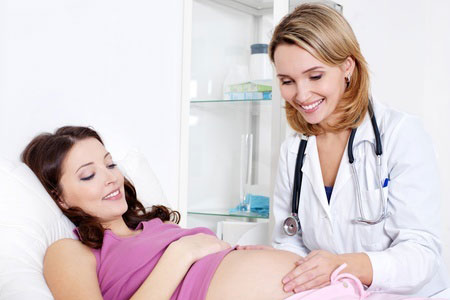
High-quality obgyn care in the DFW area that’s convenient and close to home Are you looking for high-quality obgyn care in the DFW area? Our Fort Worth and Southlake obgyns work with women from adolescence to menopause and beyond to provide outstanding obstetrics and gynecology services. As an added bonus, every obgyn in our practice is a woman. Our obgyn care in the DFW area offers user-friendly locations Why fight the Dallas traffic when you can find first-rate obgyn care in the DFW area closer to your neighborhood? Our Fort Worth and Southlake offices are close to several cities and towns in the Metroplex area. The locations are easily accessible with ample parking. State-of-the-art gynecology and gynecological surgery services Good health begins with preventive care. Our physicians form a valuable relationship with patients, especially during the annual well woman exam. When problems occur, and you need obgyn care in the DFW area, there’s no need to venture far from home. With our Fort Worth and Grapevine obgyns, you’re in experienced, trained hands. From endometriosis and PCOS, to urinary incontinence and recurrent UTIs, our physicians and staff provide thoughtful and thorough treatment and diagnosis. If you need surgery, rest assured that our obgyns are trained in the most up-to-date gynecological surgery techniques, including minimally invasive and robotic surgery. Our surgeons perform hysterectomies, endometriosis surgery, surgery for urinary incontinence and more. Obstetrics and midwifery services for routine and high-risk pregnancies If you are pregnant or trying to conceive, and considering obgyn care in the DFW area, our offices offer everything you need. Our experienced obstetricians care for high-risk and routine pregnancies. Our midwifery services provide another pregnancy care option for patients. From preconception counseling and fertility testing, to pregnancy office visits and labor management, we’ve got you covered. Patients at our Fort Worth office deliver at Fort Worth Medical Center Fort Worth. These locations offer nearby, expert care, making for a smooth trip to the hospital on the big day. Our Fort Worth and Southlake obgyns prove that excellent obgyn care in the DFW area is not limited to the city of Dallas. Our all-female physicians are close to your neighborhood, ready to provide you with the comprehensive healthcare you need. Contact us for an appointment.